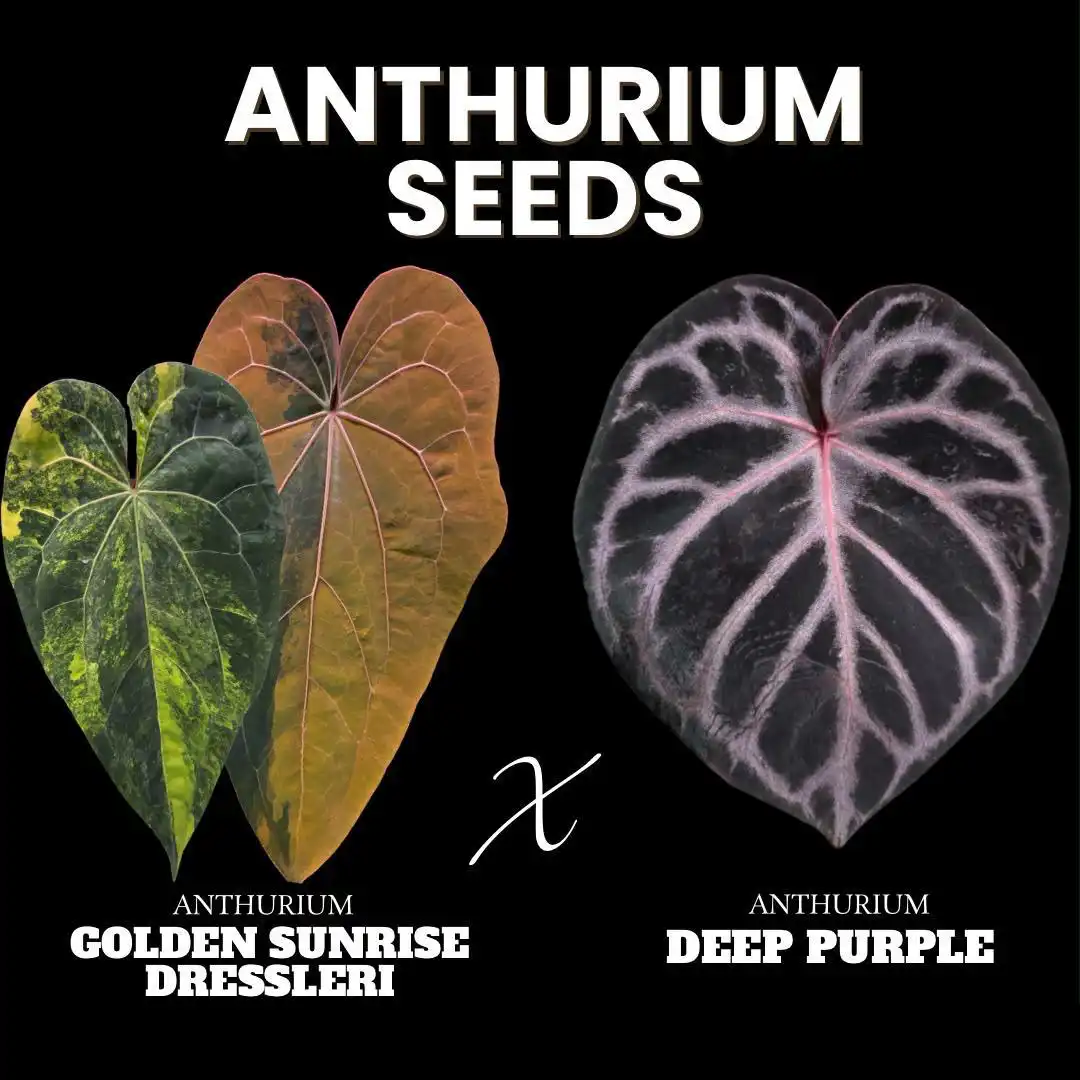
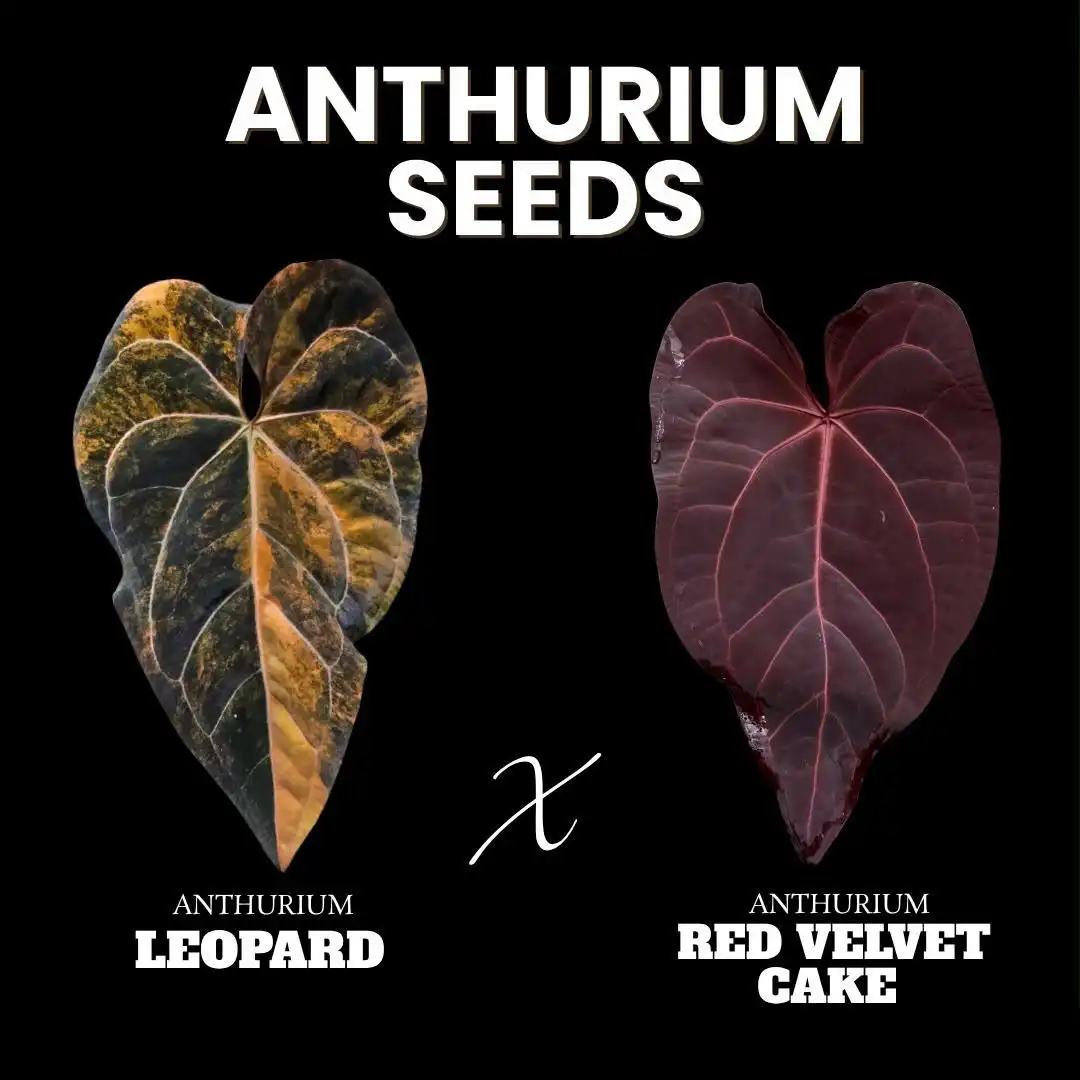
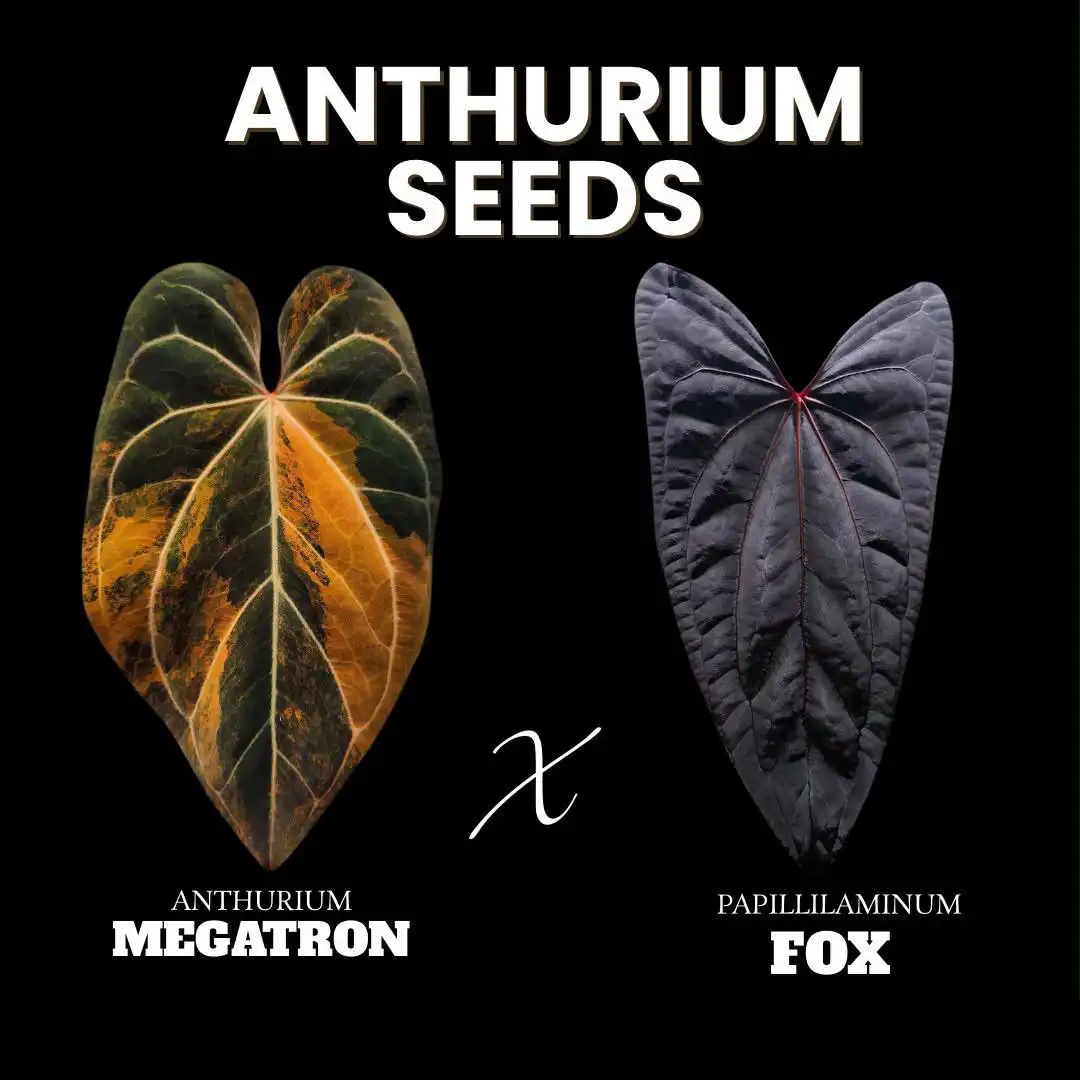
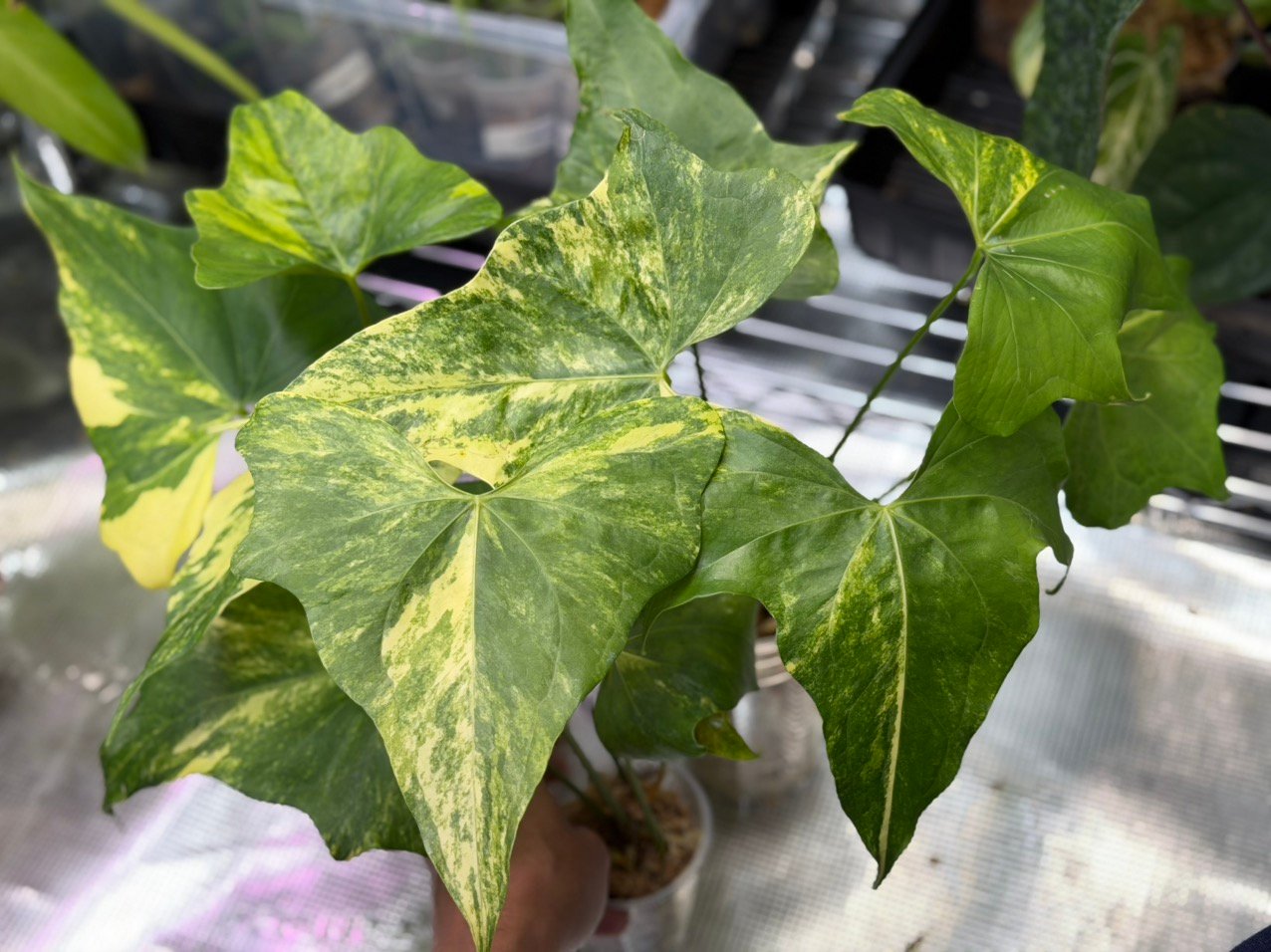
Anthurium Plants For Sale

Every Leaf Tells a Story

Hand-selected, carefully shipped, and trusted by plant lovers nationwide. Get first access to limited genetics and healthy, acclimated plants.

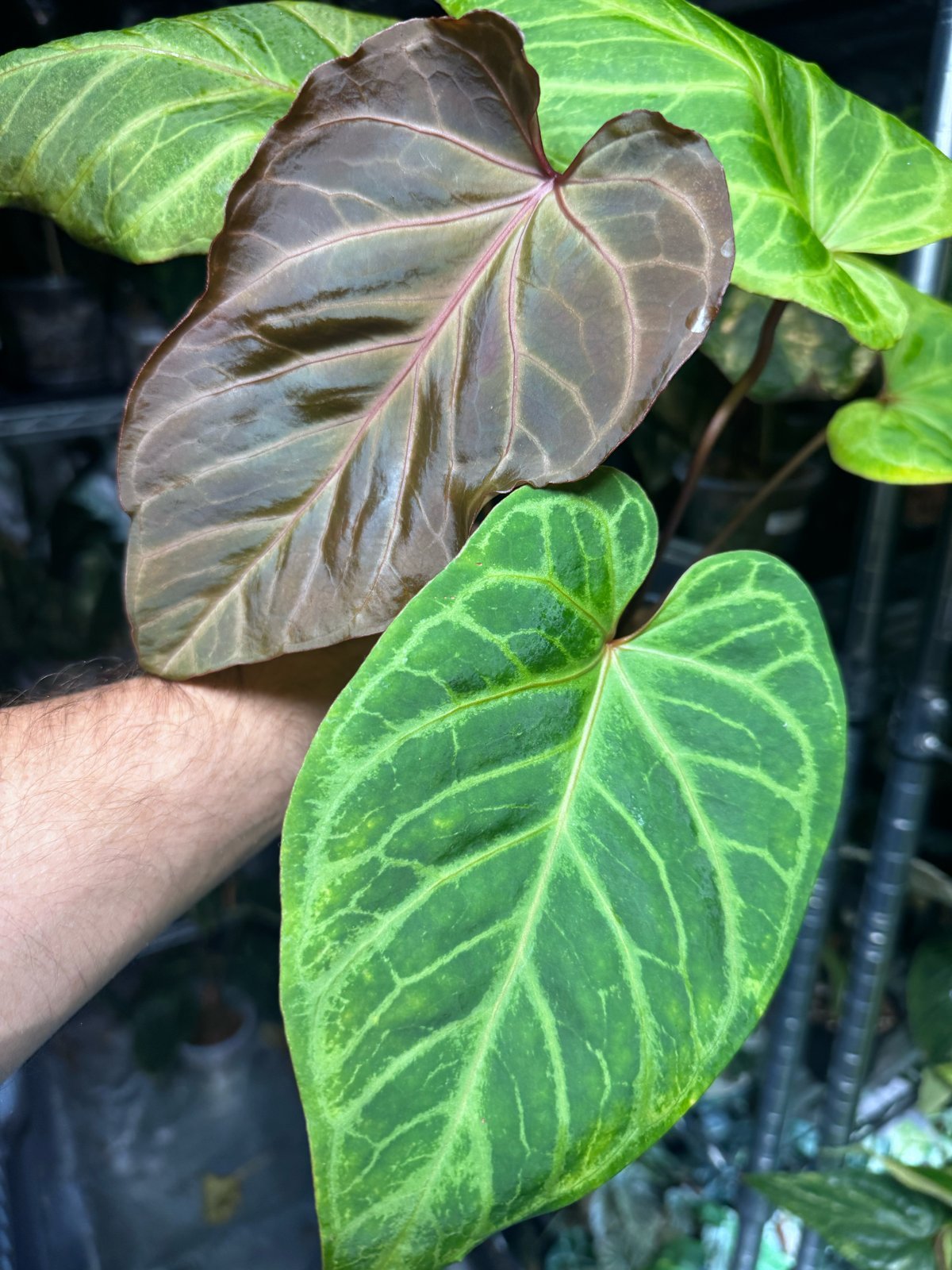
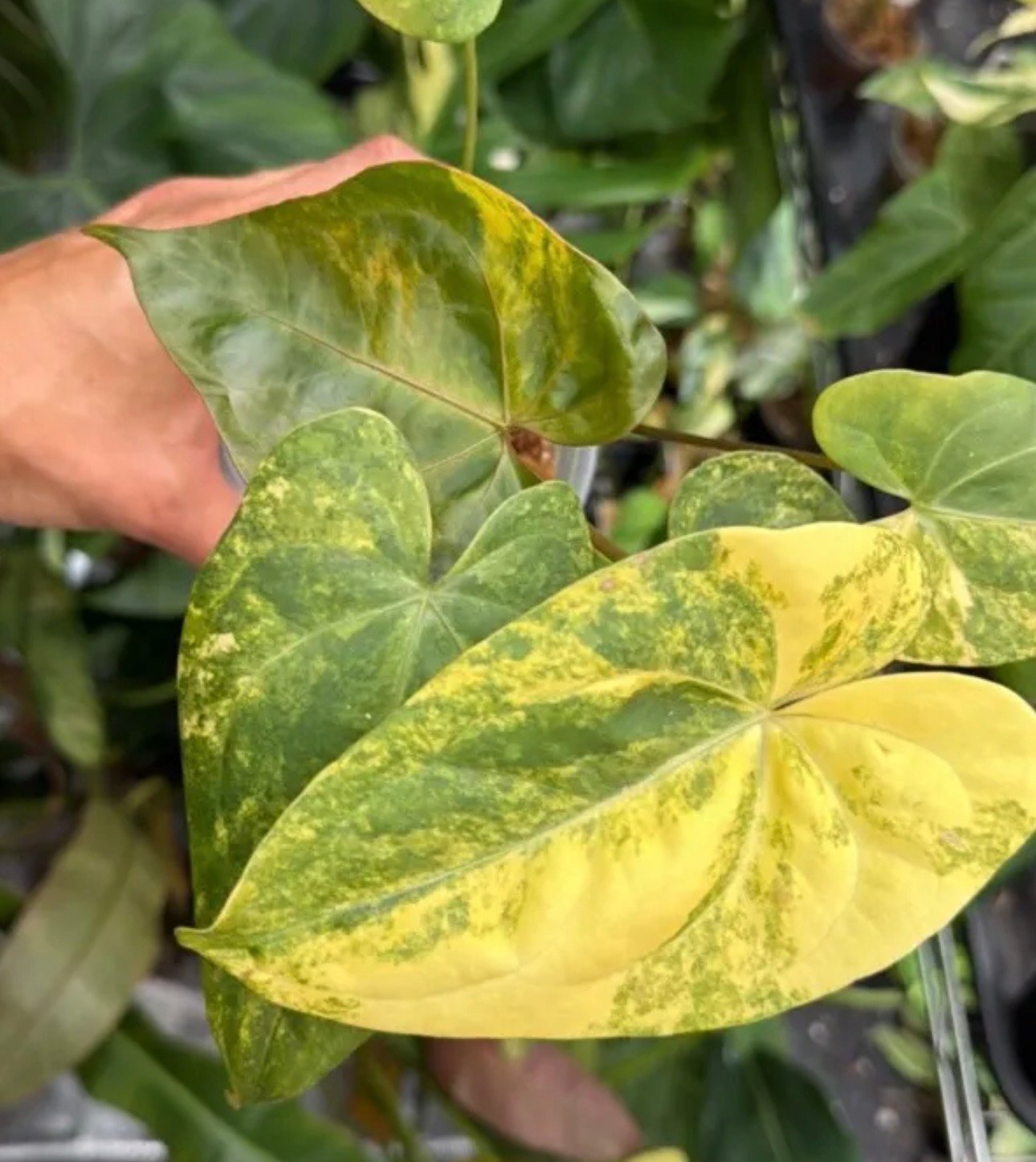
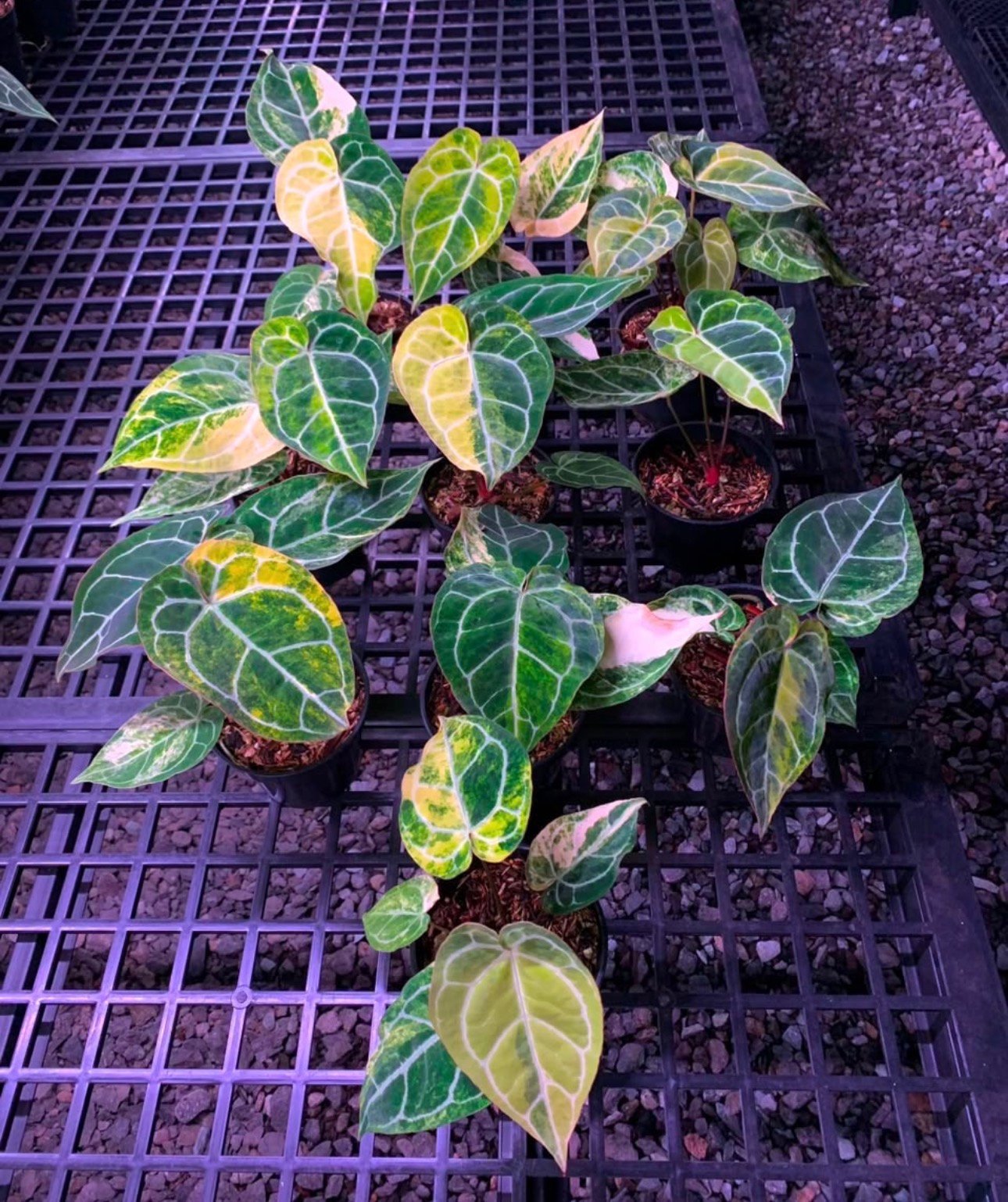
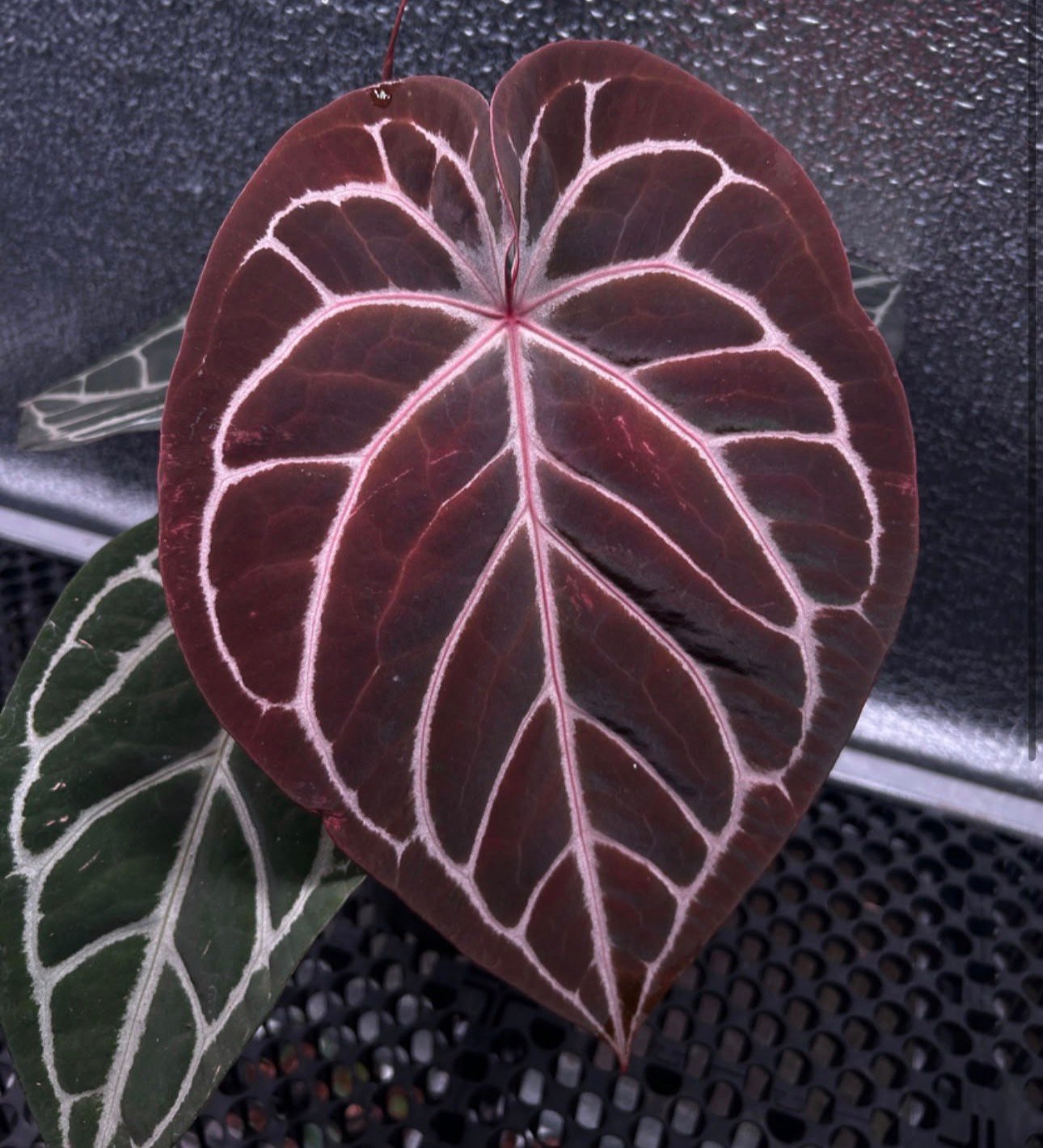
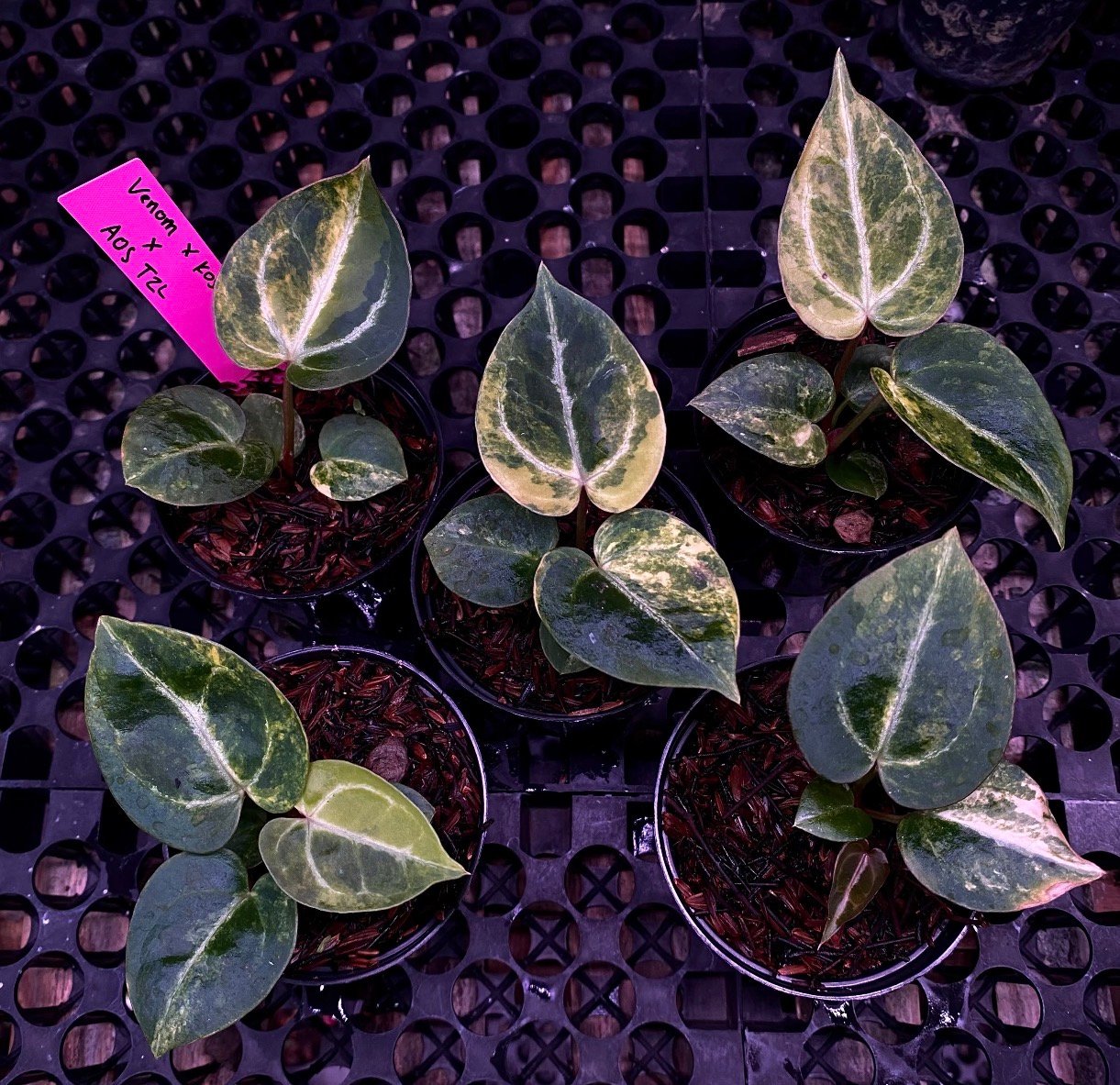
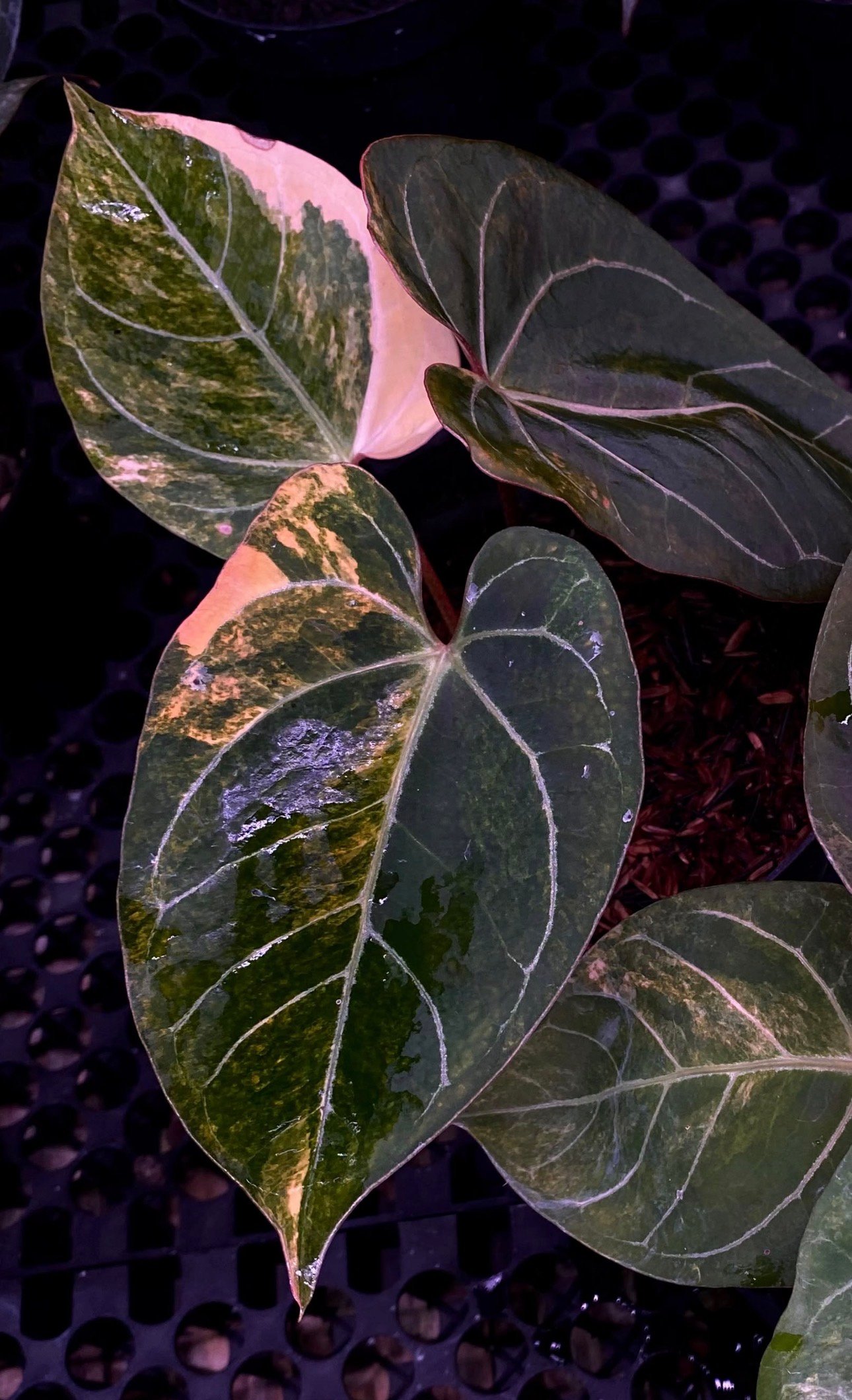
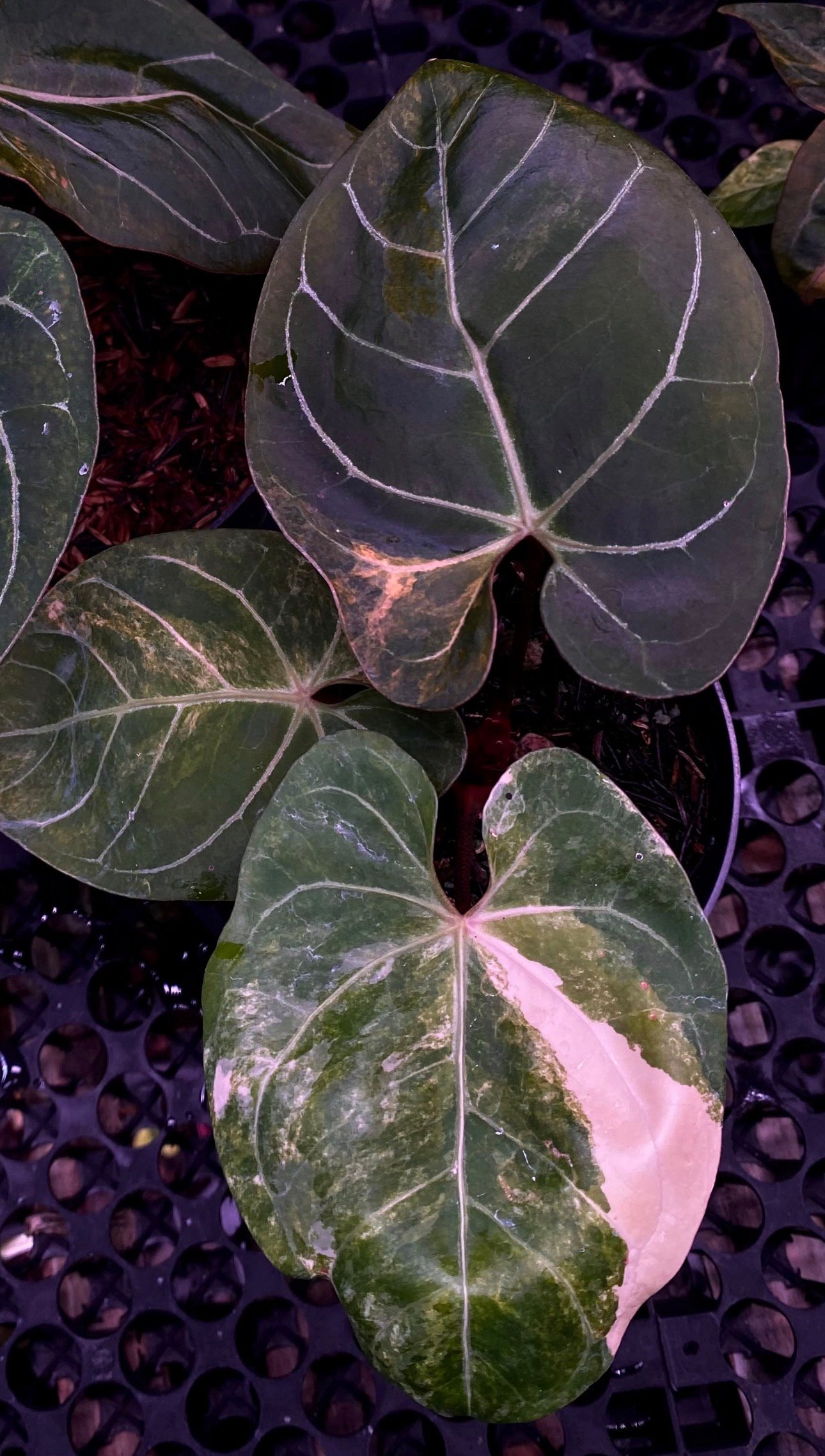
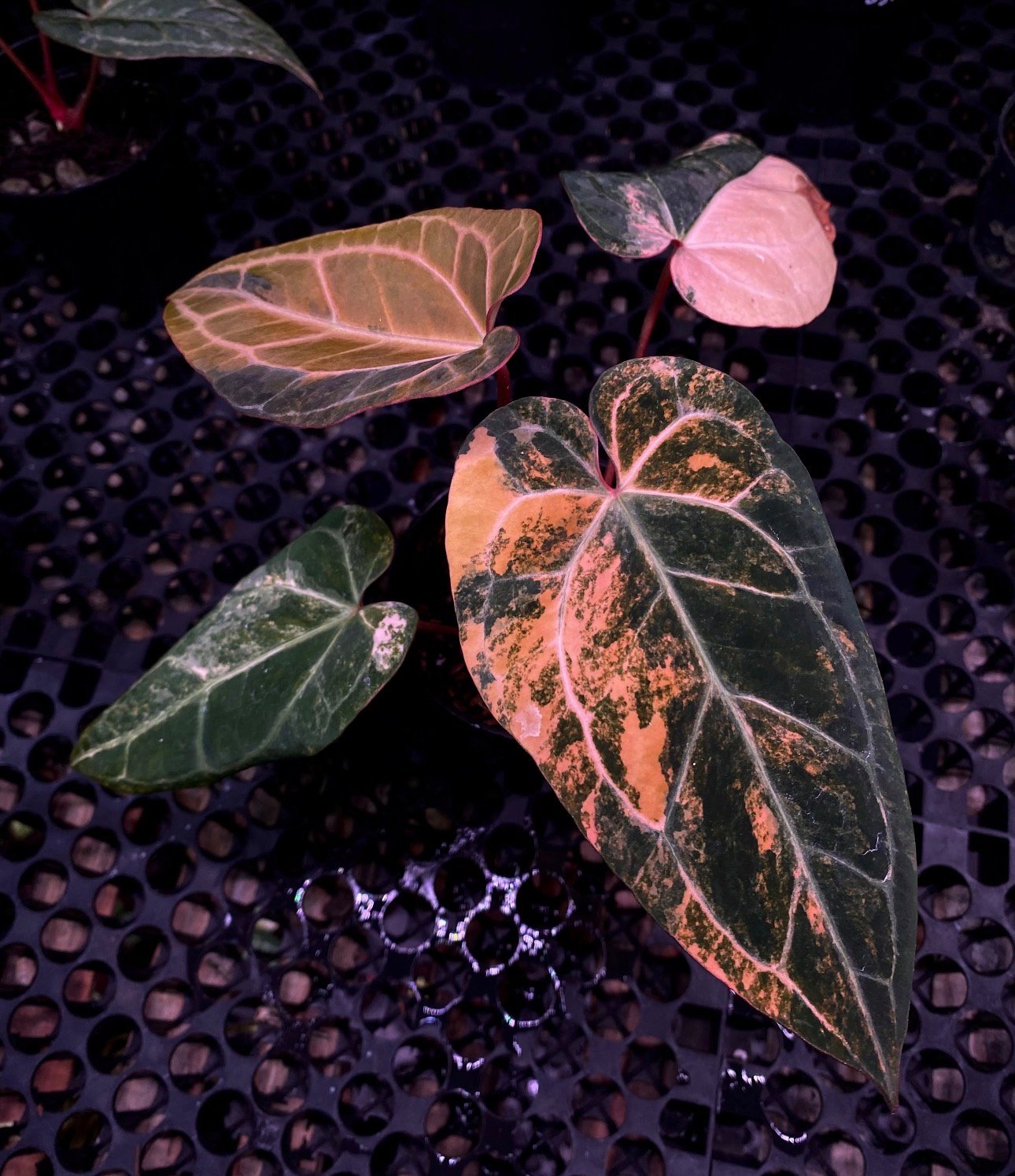
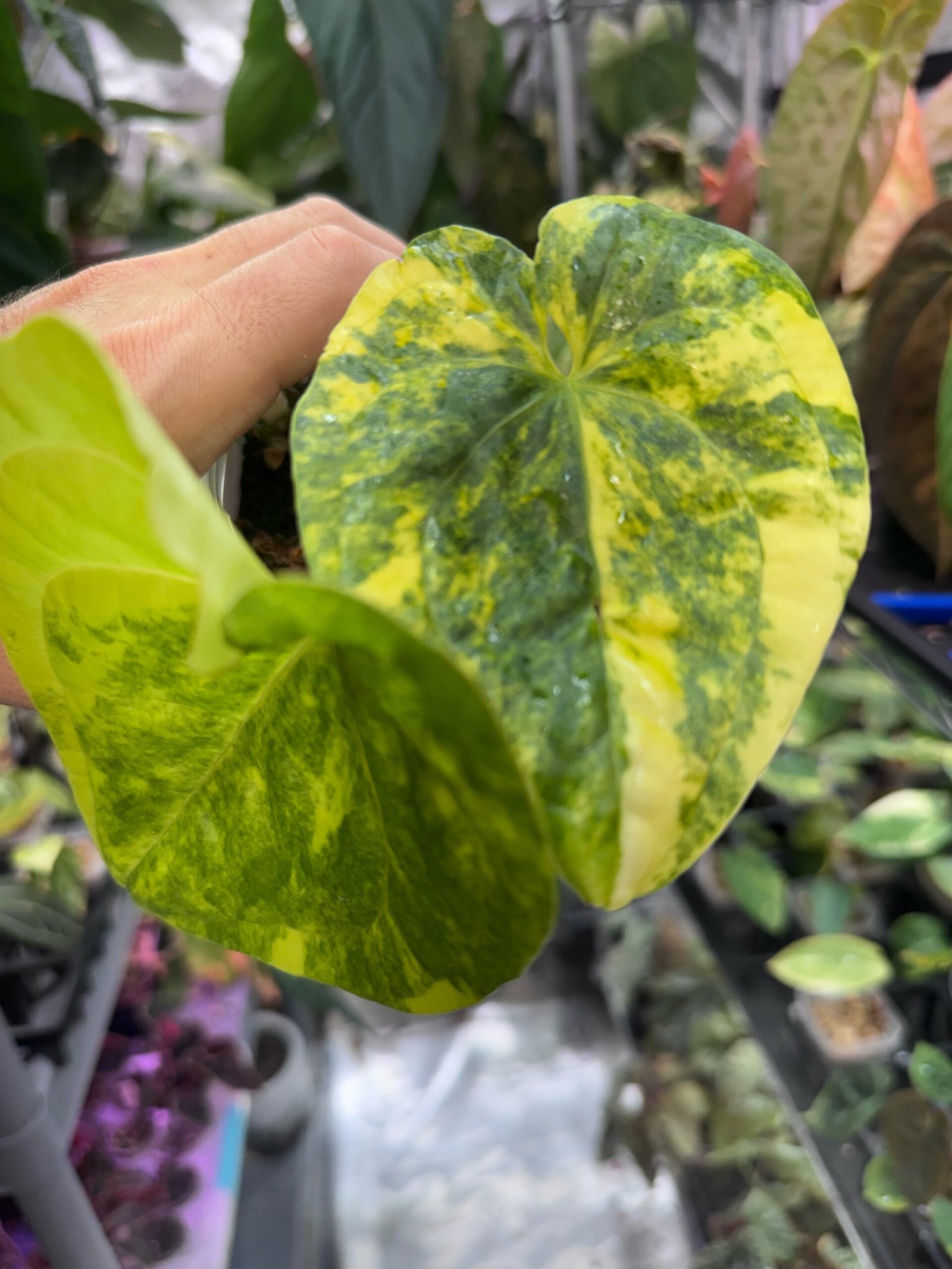
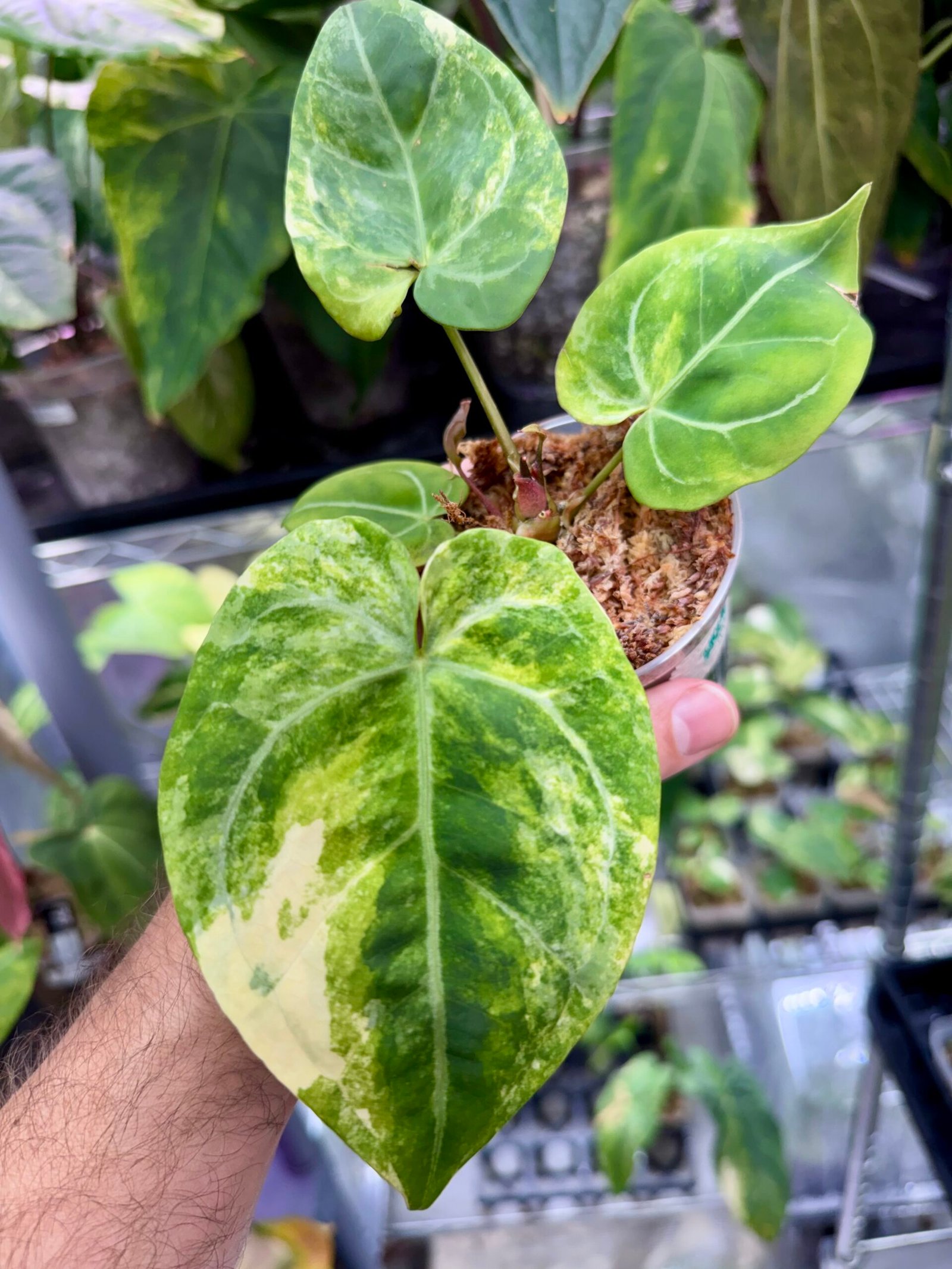
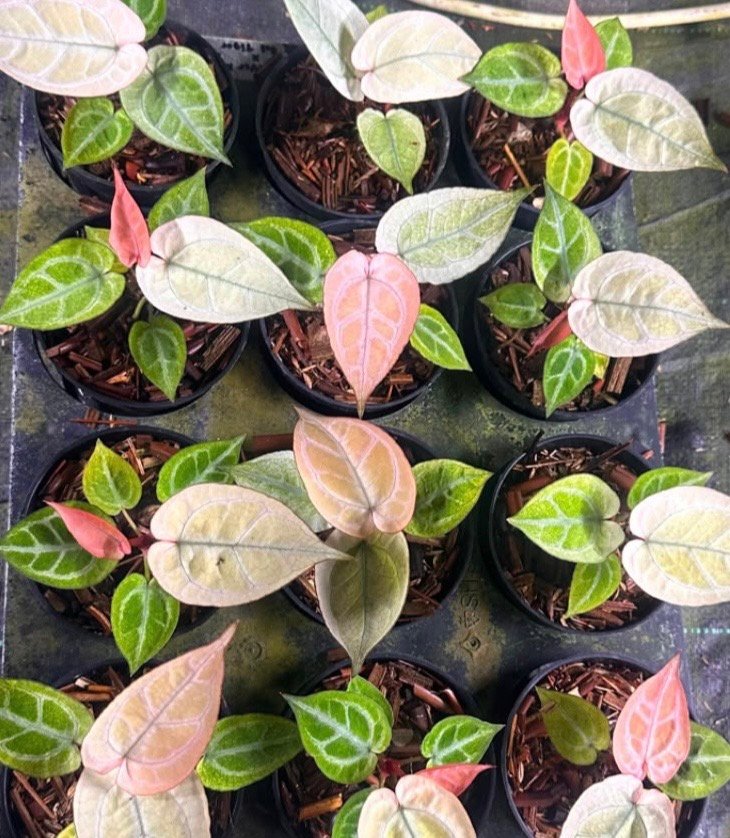
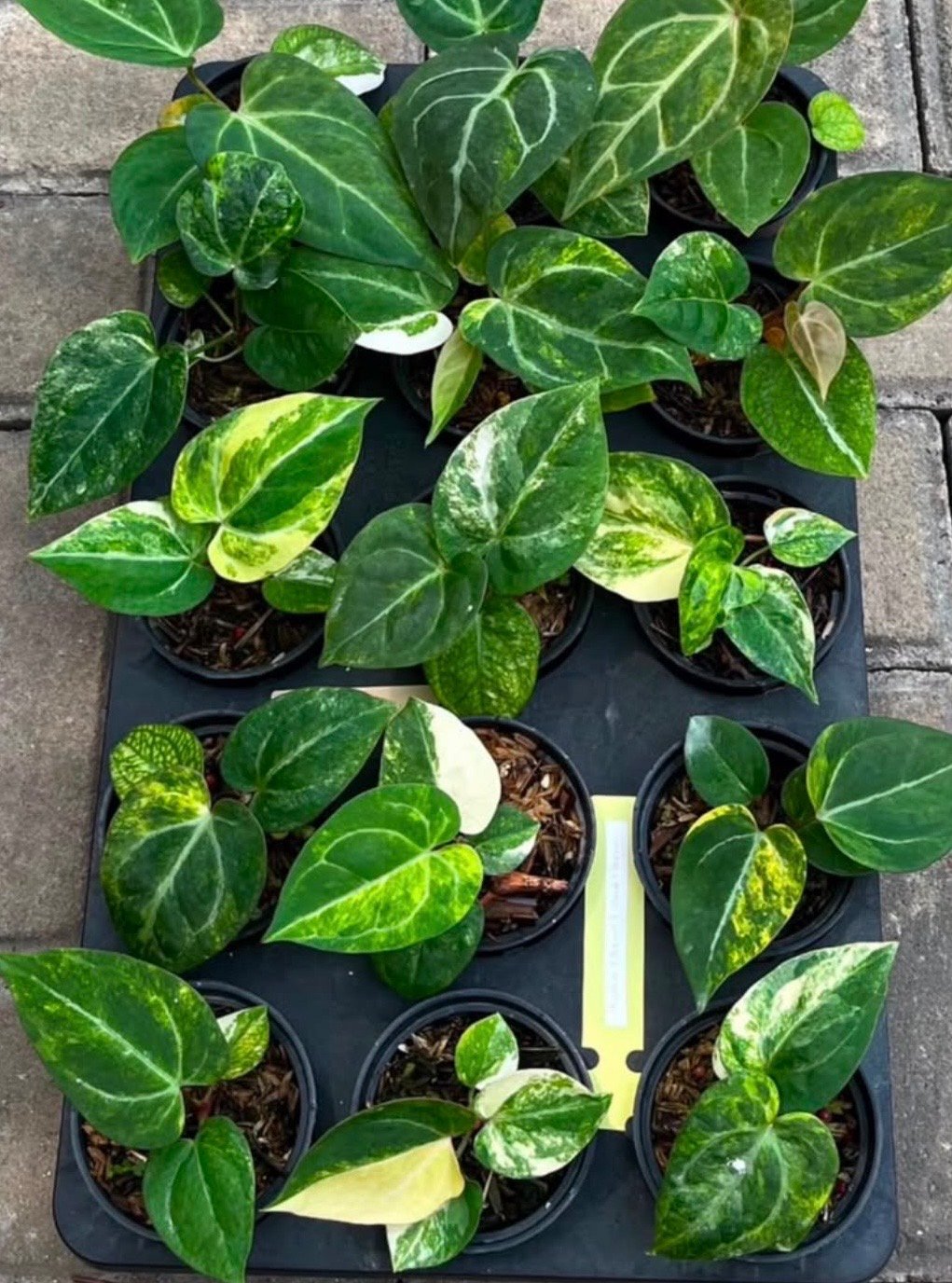
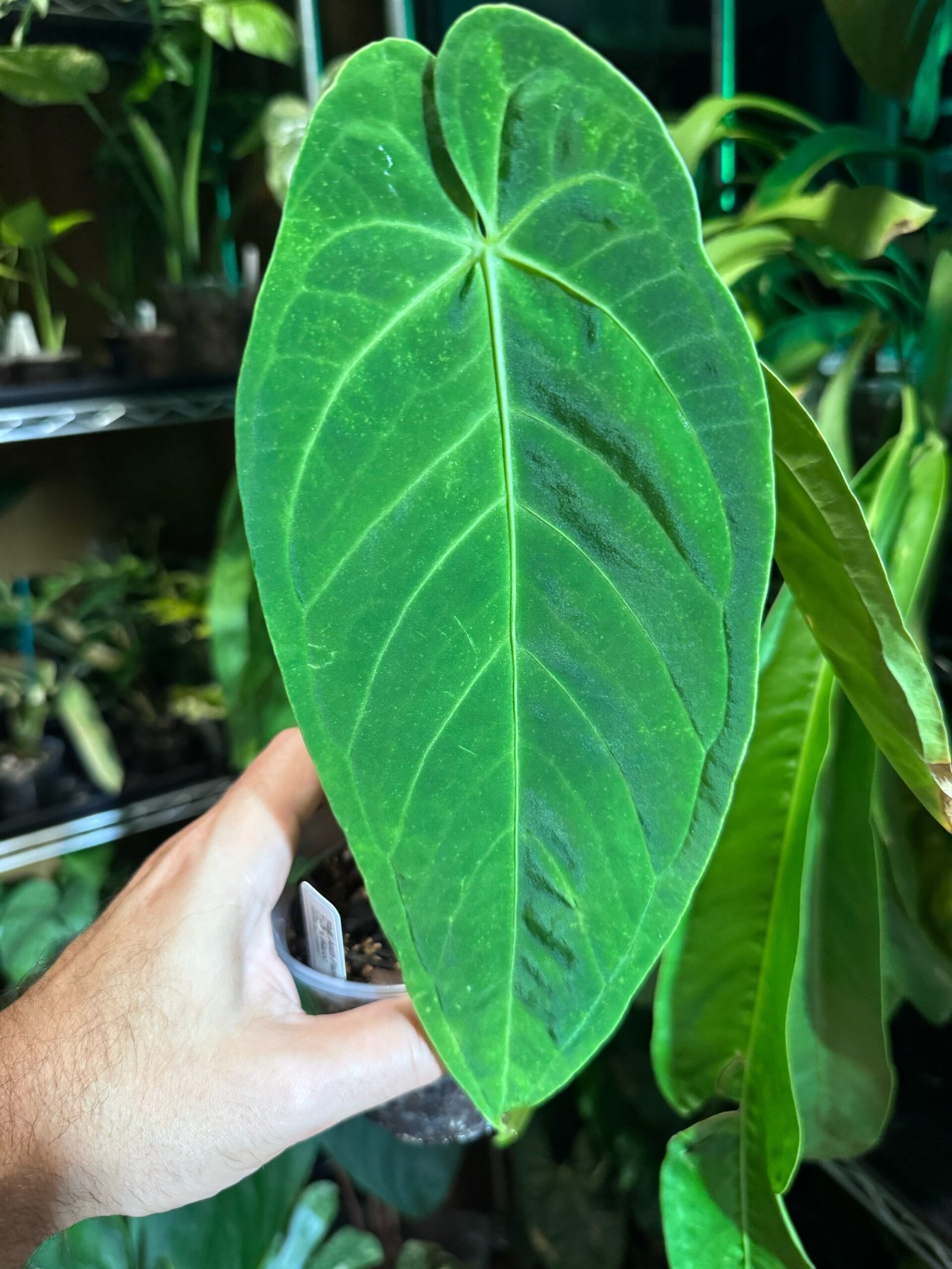
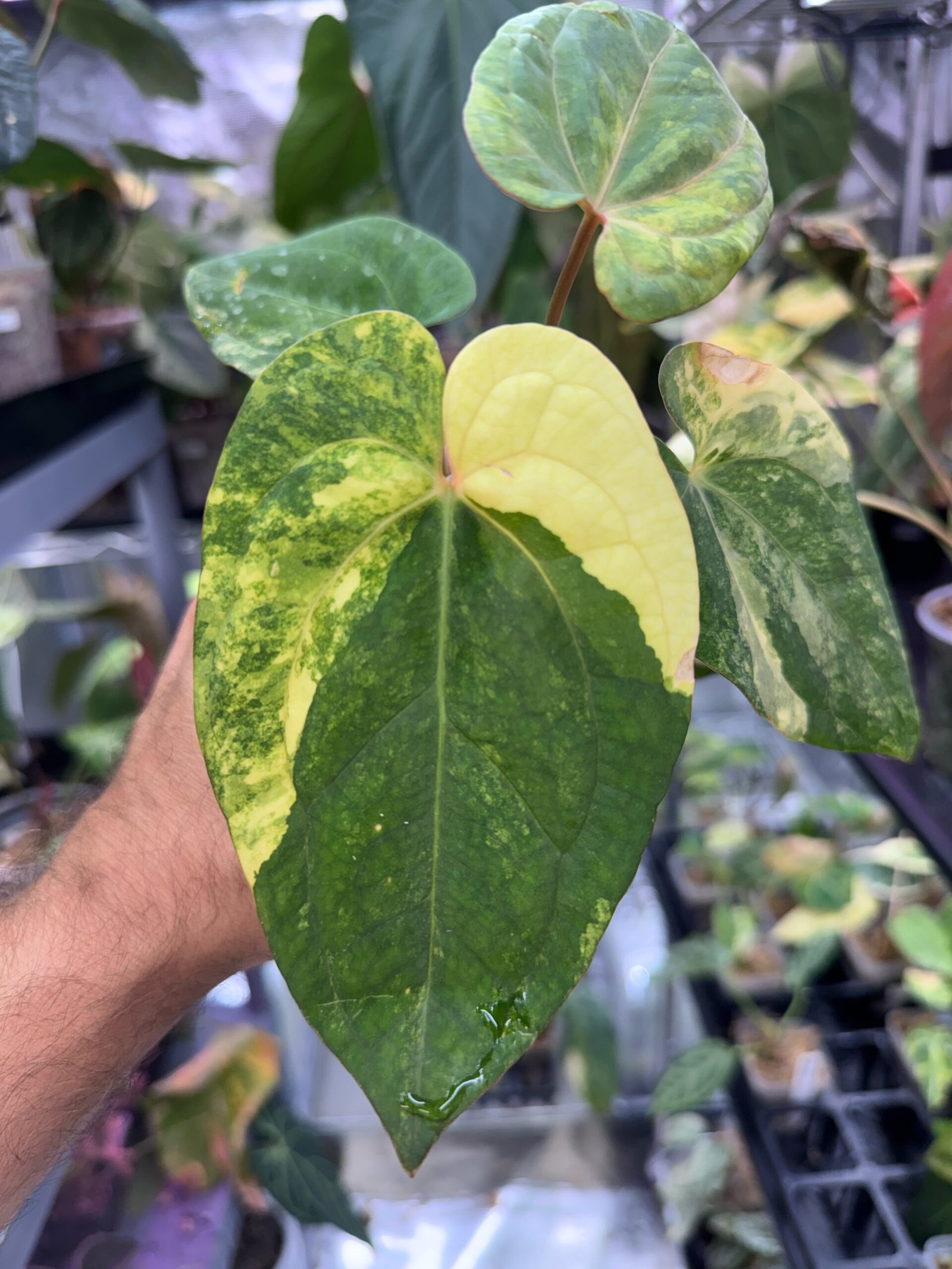
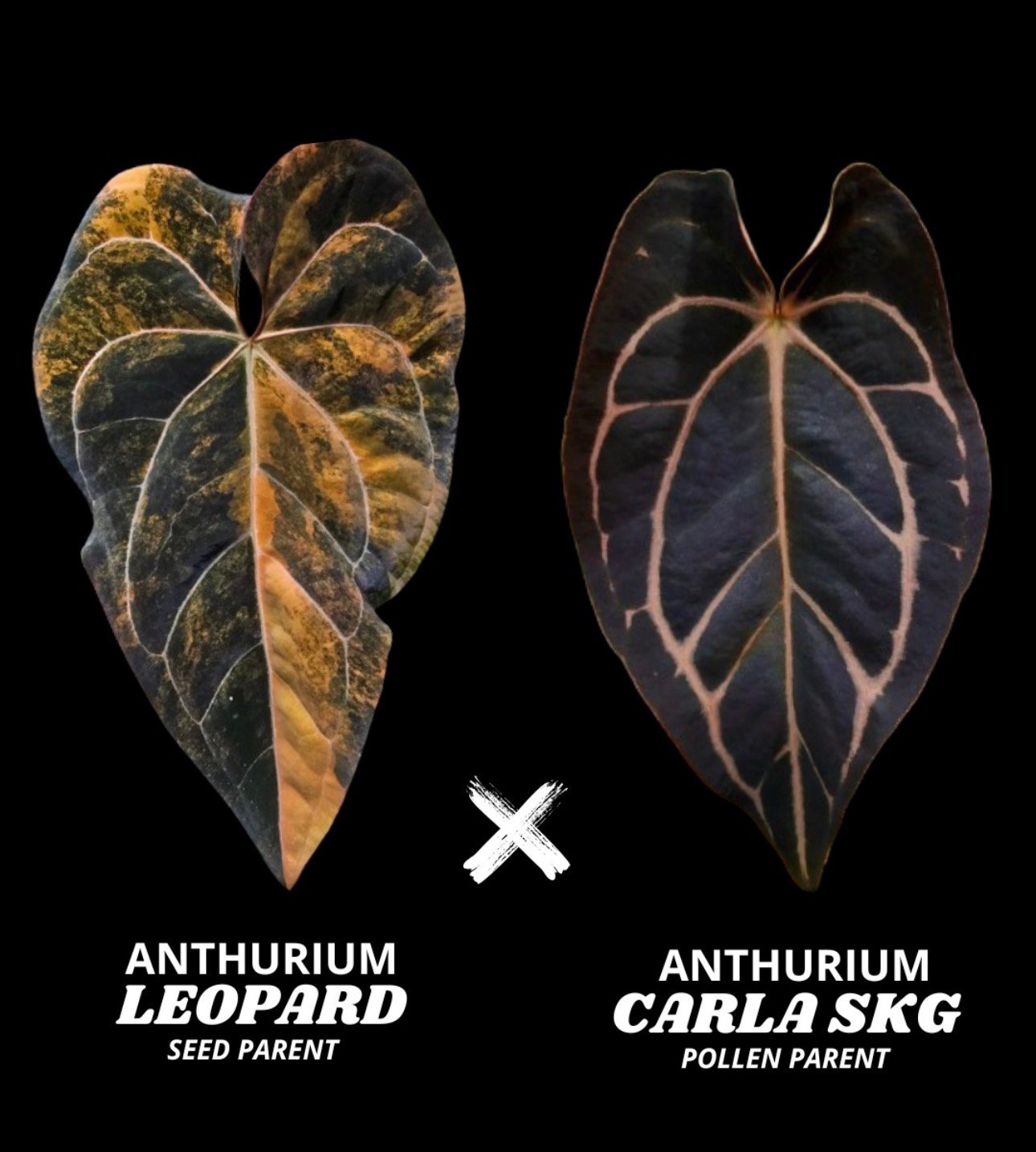
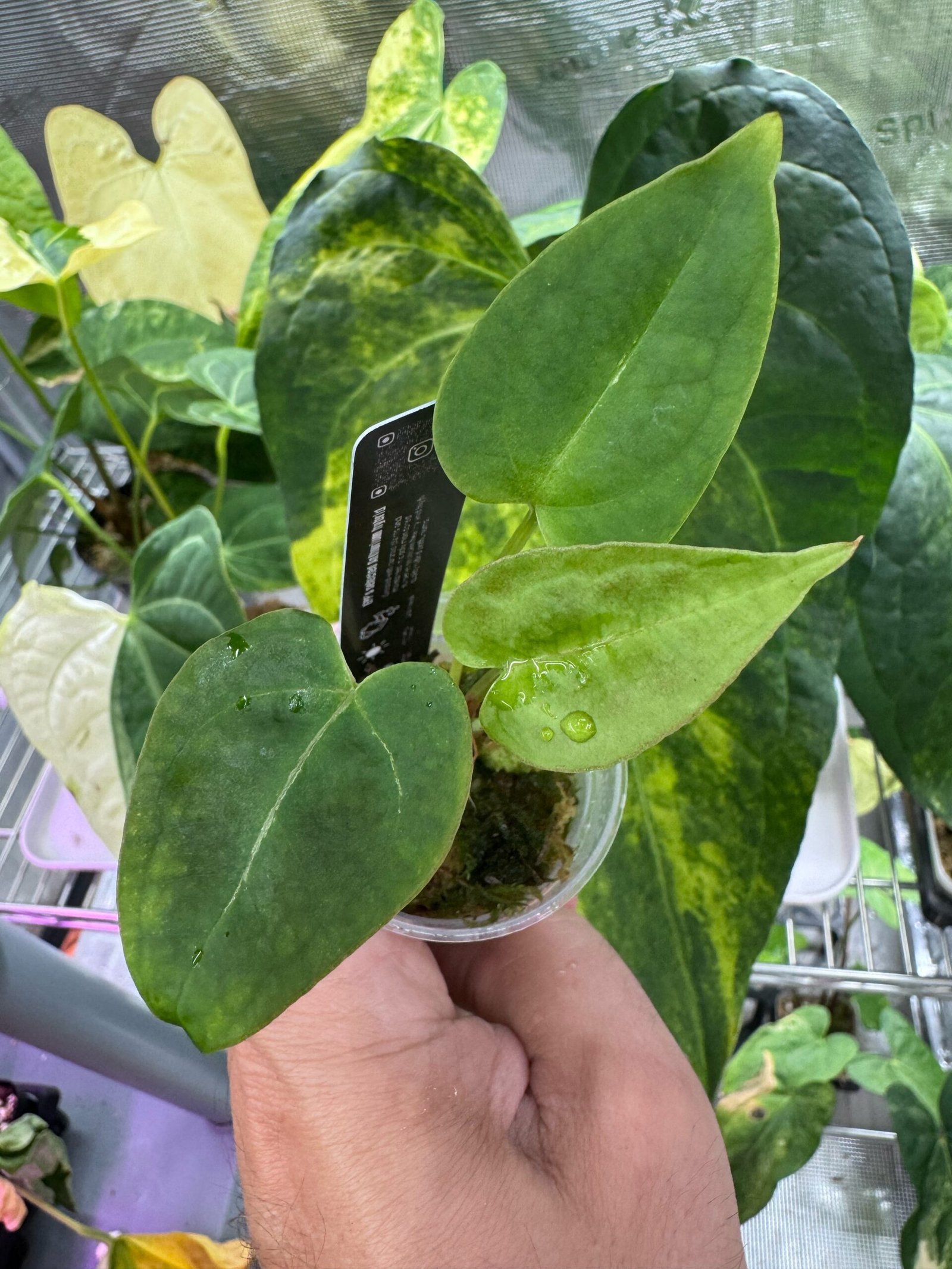
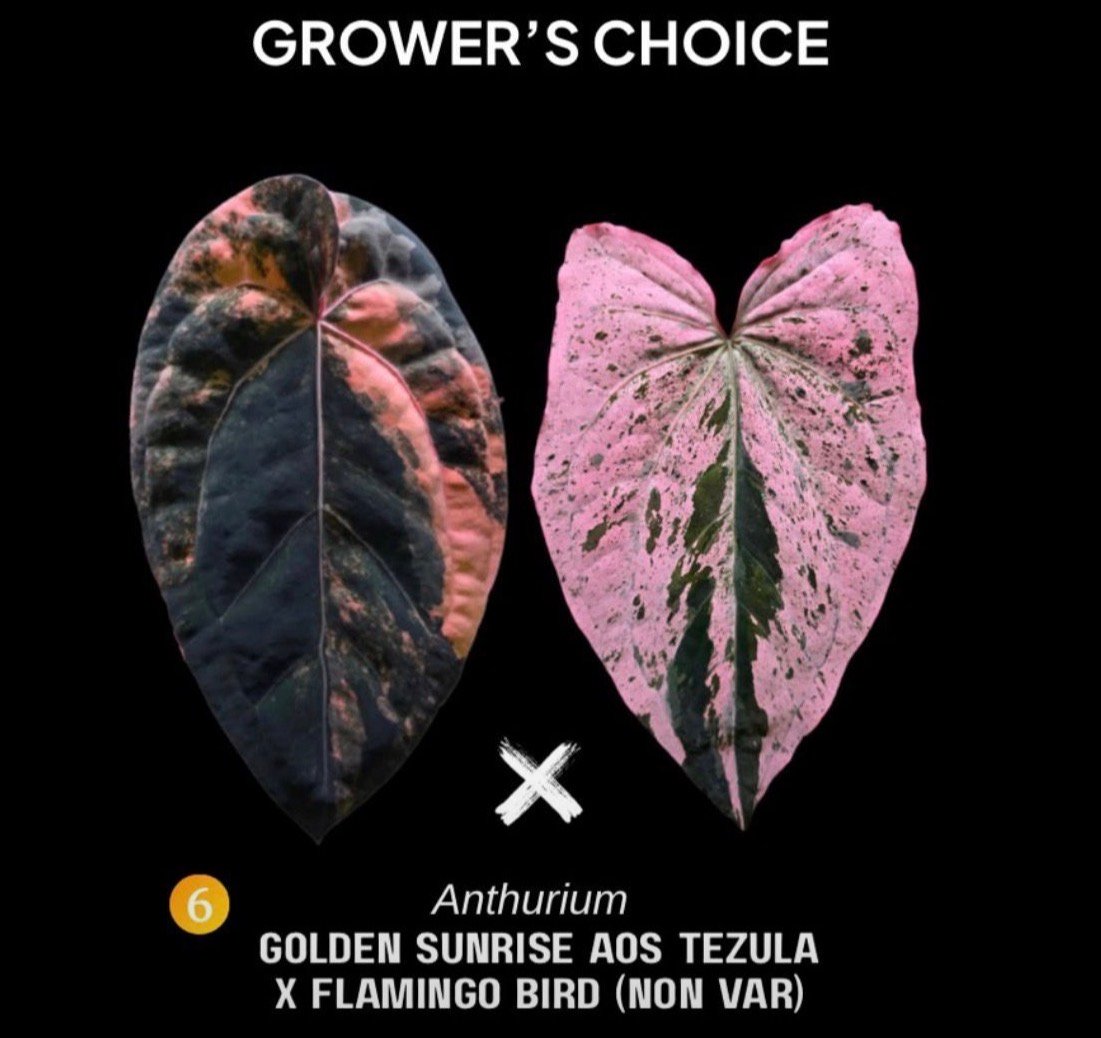
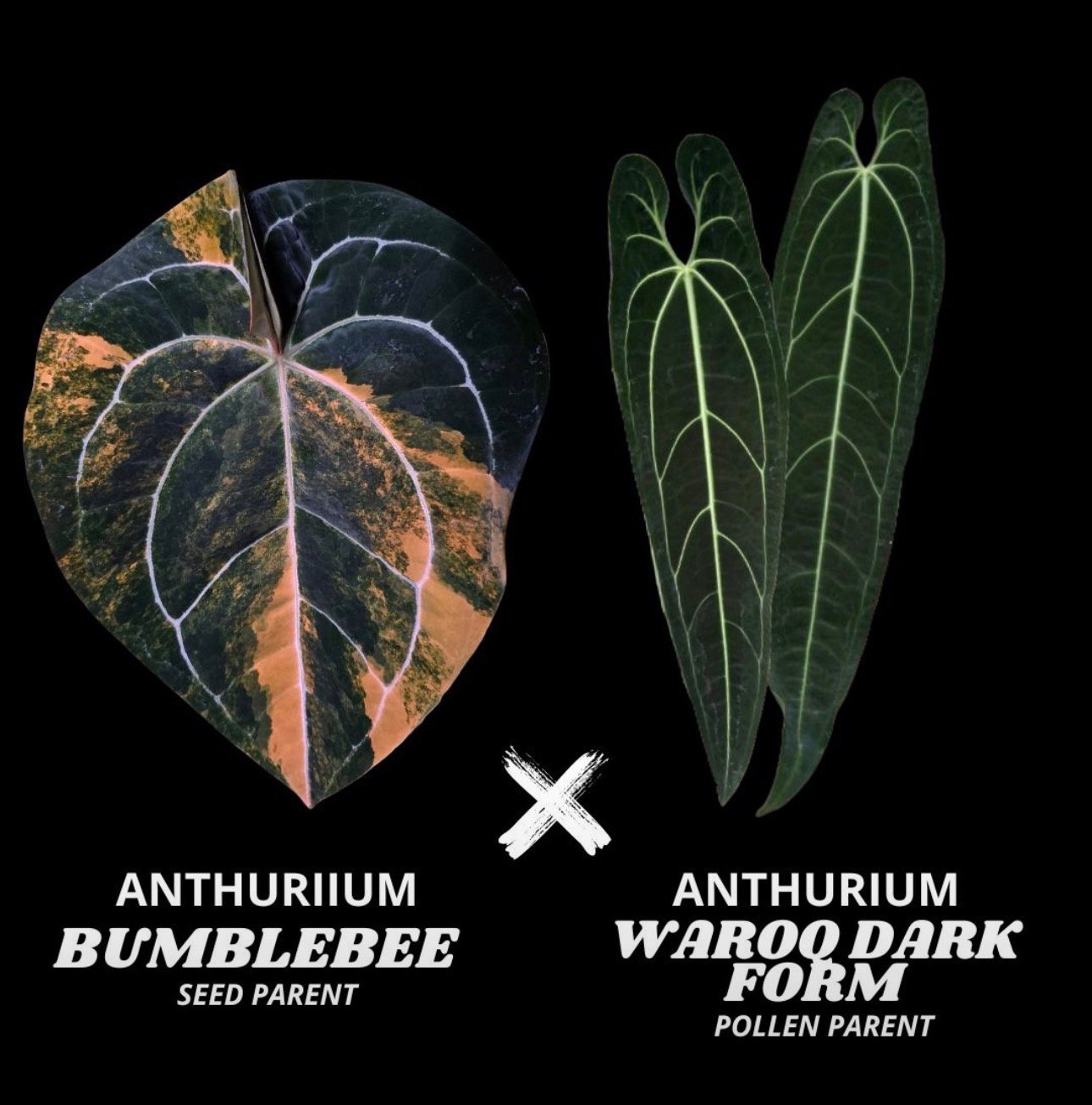
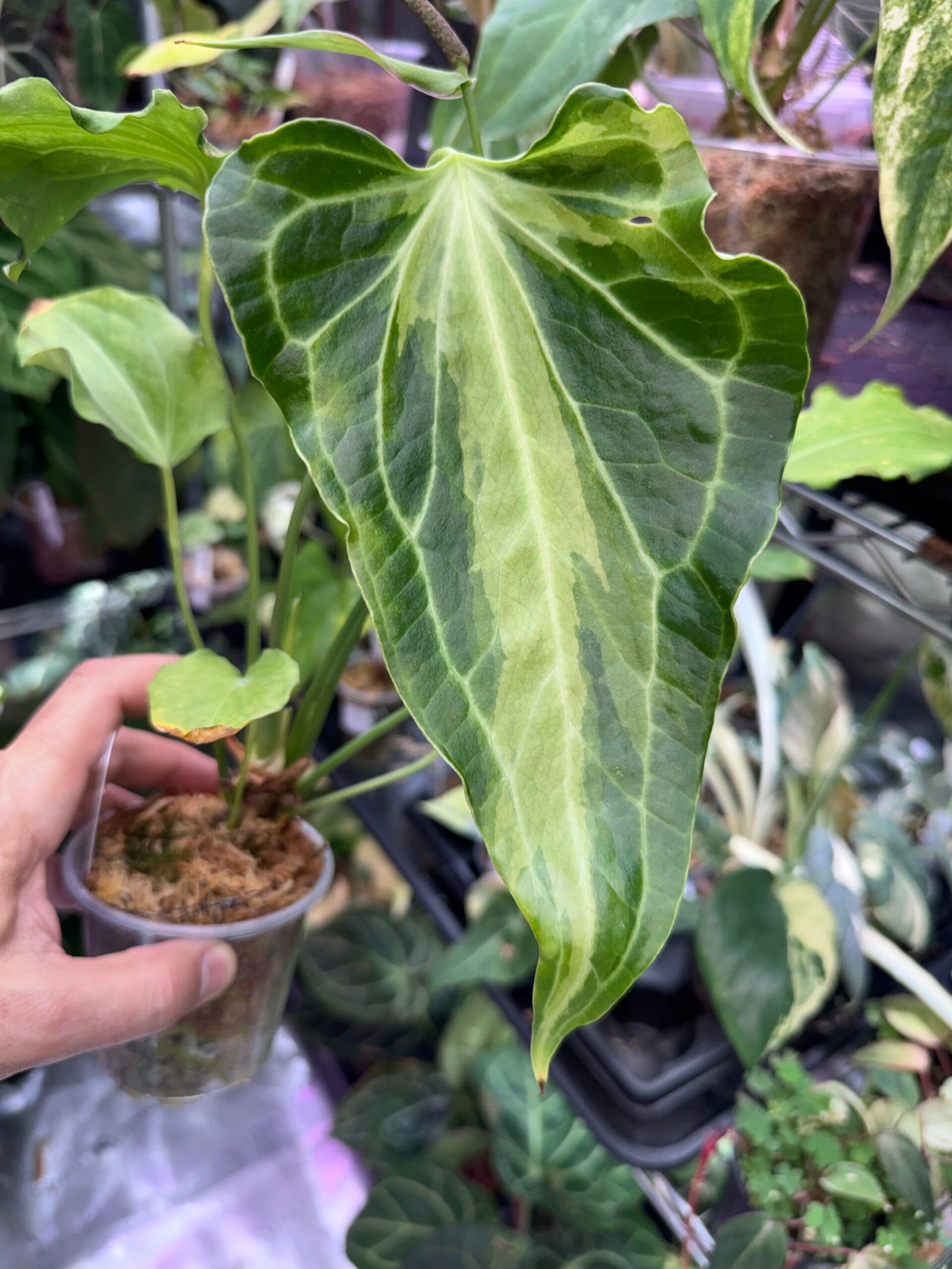
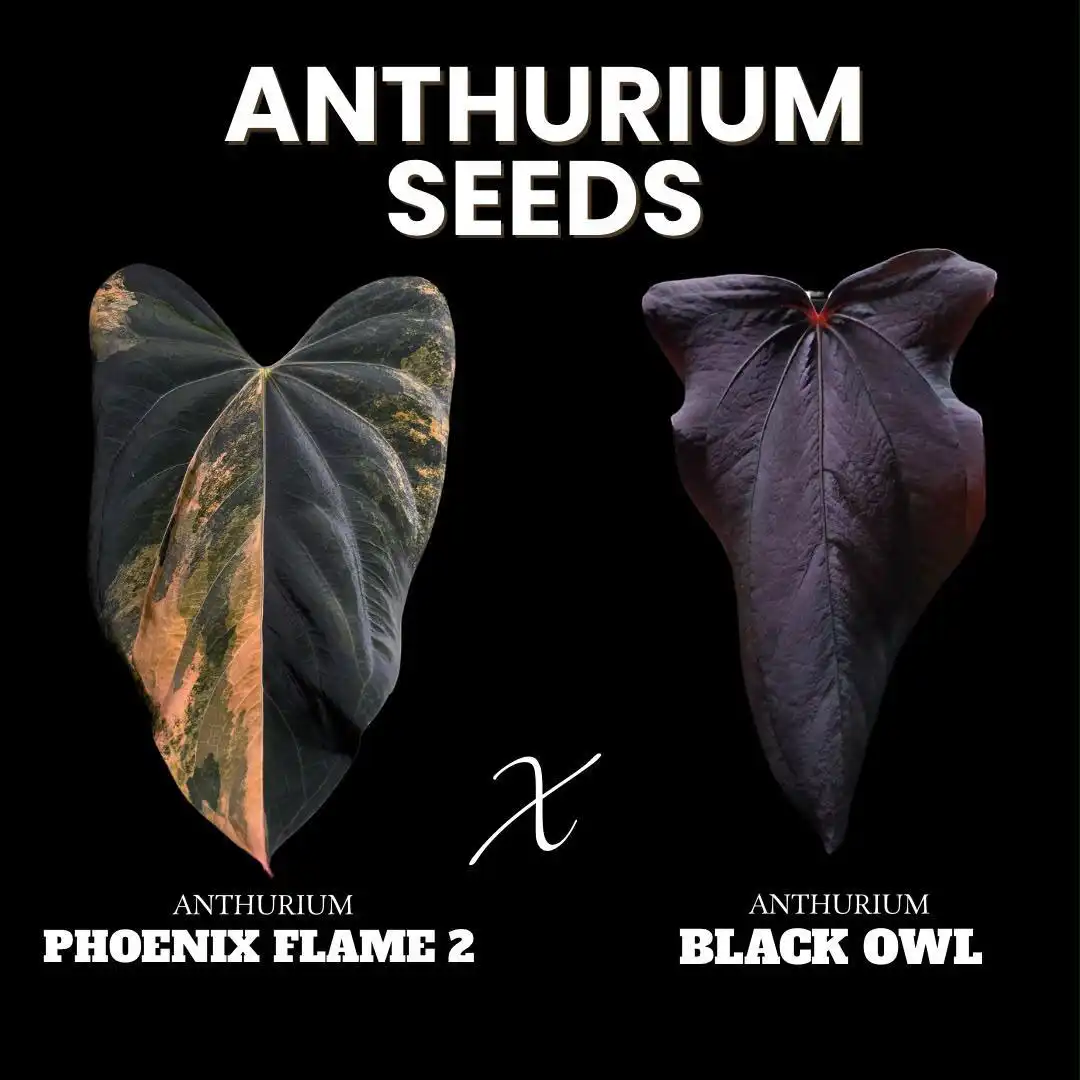
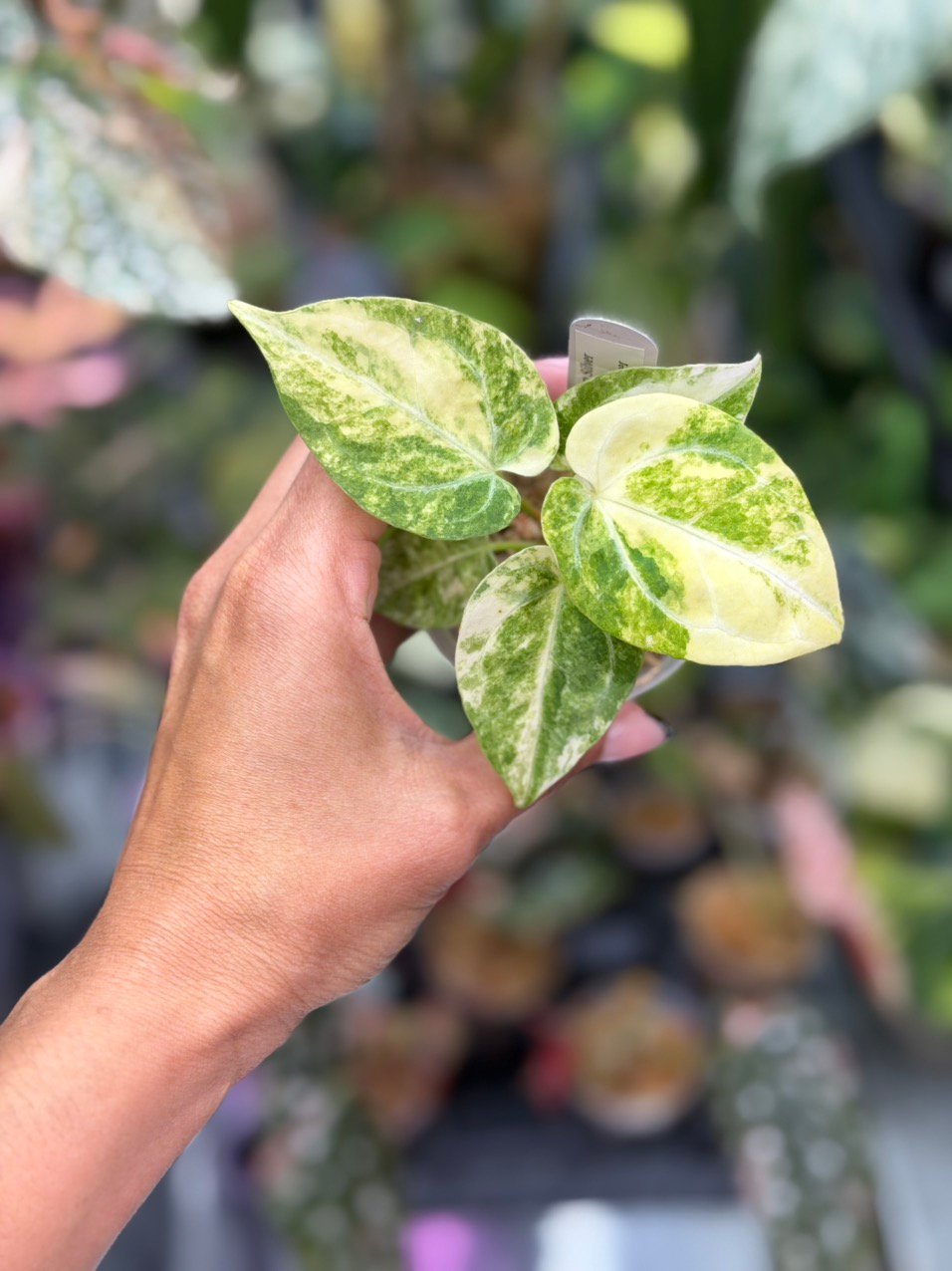
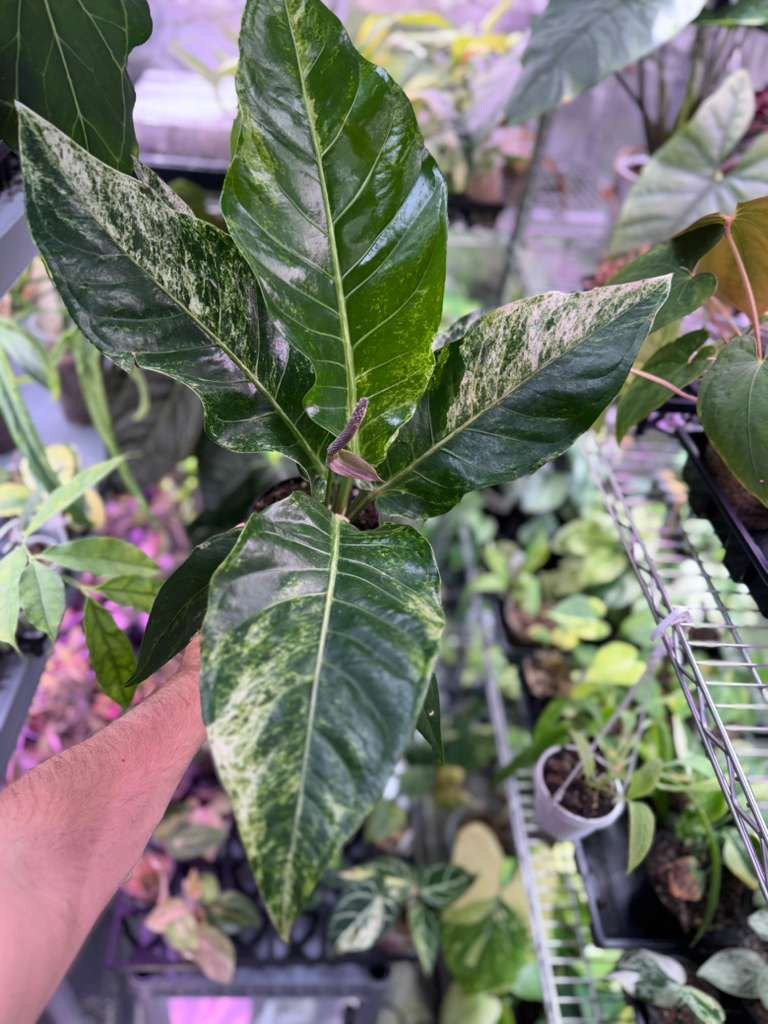
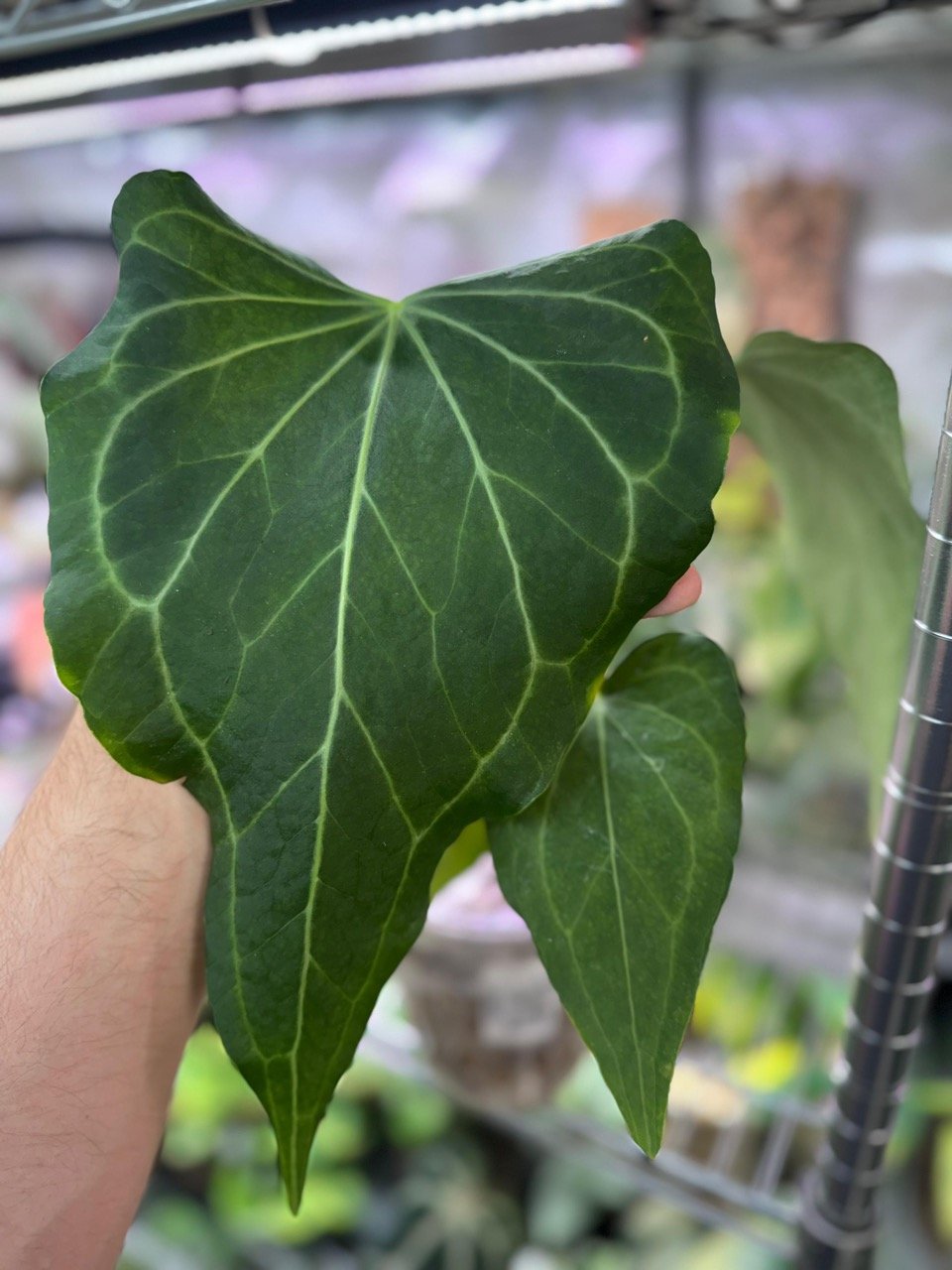
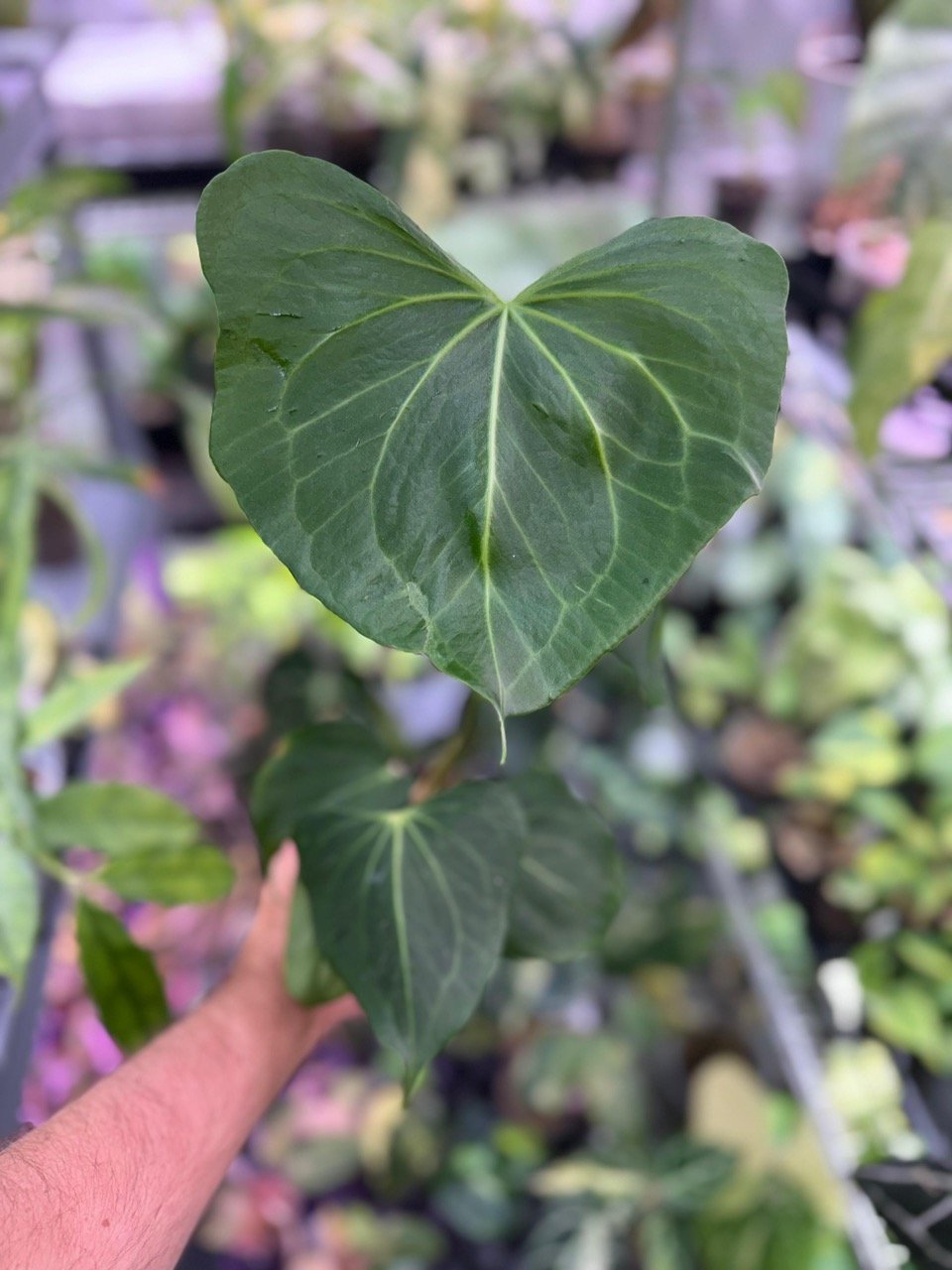
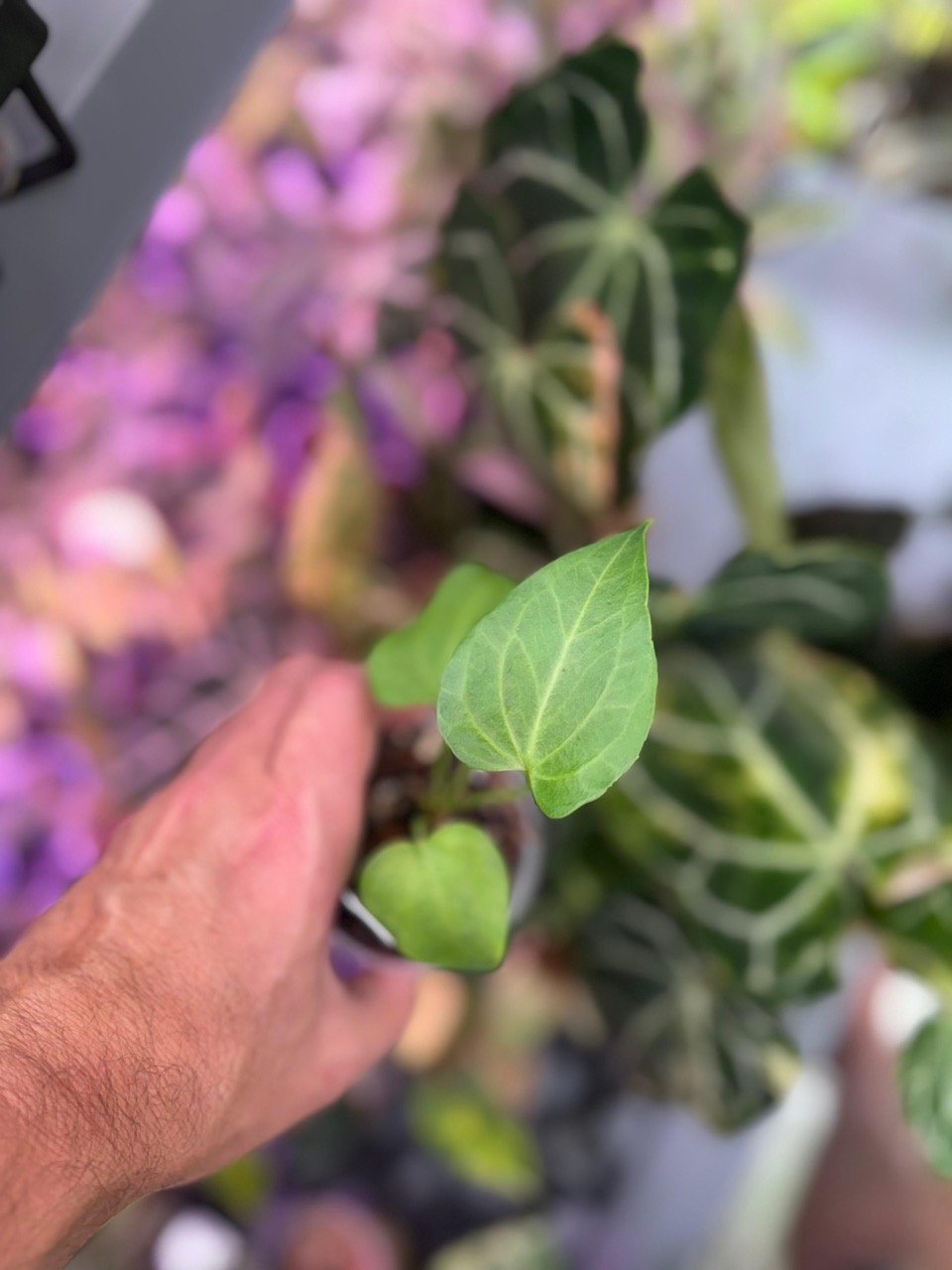
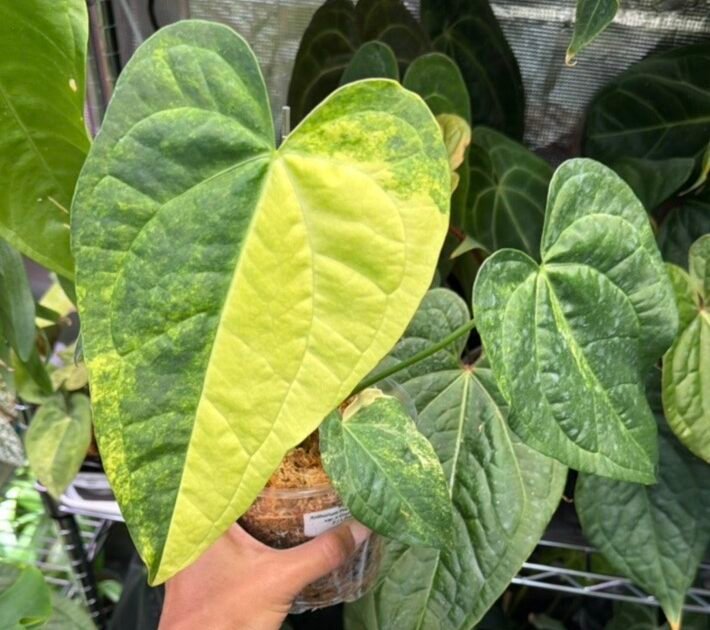
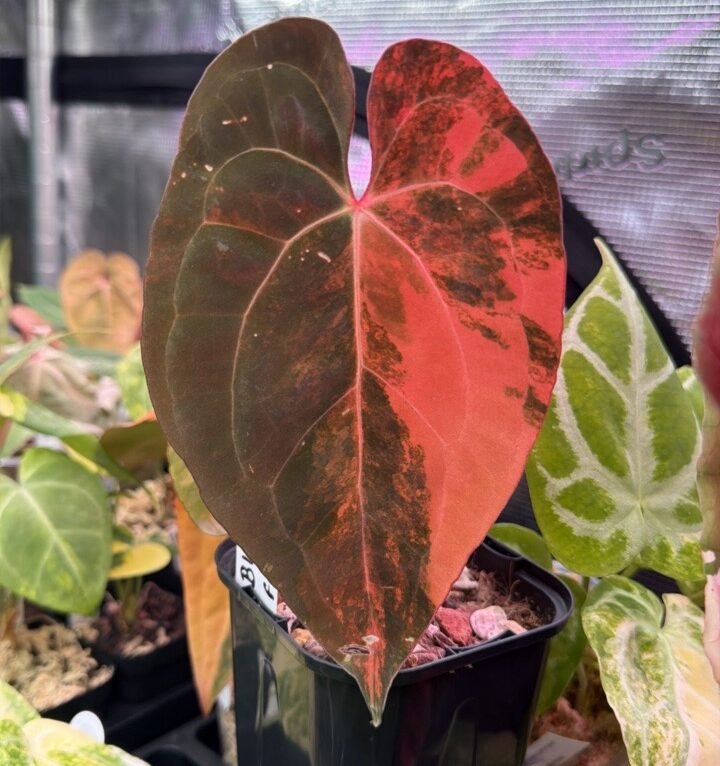
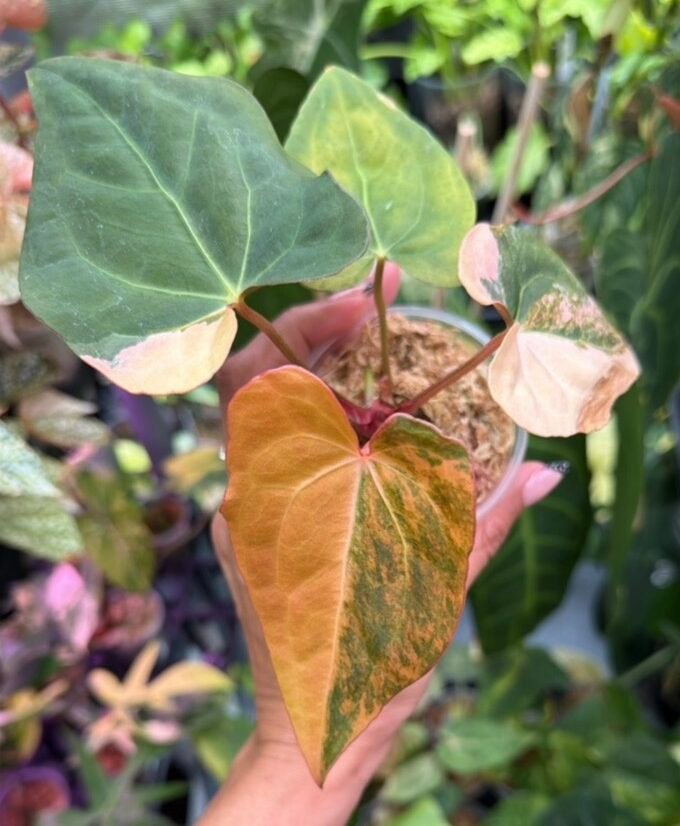
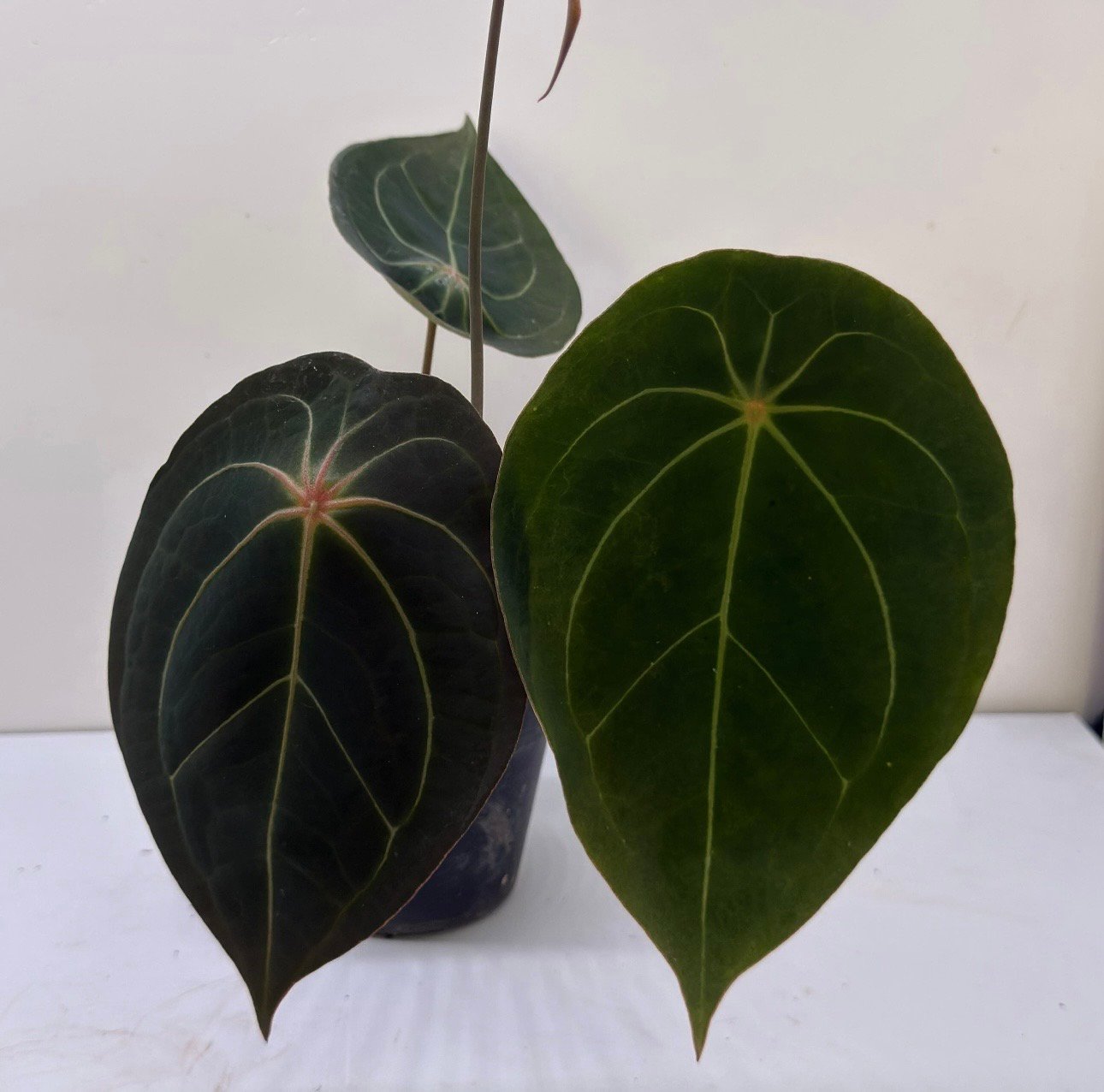
Loved for their lux, vibrant, heart-shaped leaves, Anthuriums are the ultimate interior statement. But for the true connoisseur, the ordinary simply won’t do. We specialize in the “grail” specimens that define a world-class collection, from the sharp, architectural lines of the Anthurium “Delta Force” to the shimmering, high-contrast patterns of a Variegated Clarinervium or a Black Venon x RDF. Don’t settle for the common when you can cultivate the extraordinary.

These Sold Fast, but we can get more if you don't see one above.
ðŸŒŋ Helpful Tips & FAQ â€Ē Anthurium Care

Anthurium Care Guide

Anthuriums are prized tropical collector plants known for velvet texture, dramatic veining, rare variegation, and bold foliage. Our Anthuriums are grown in our greenhouse in Easley, SC under T5 LED lighting, temperatures around 75–80°F, and humidity around 70–90%. Because many Anthuriums are naturally epiphytic, they need high airflow, chunky substrate, and slow acclimation after shipping.

ðŸ“Ķ Unboxing & First-Flight Acclimation

Your Anthurium has traveled through a dark, high-stress environment. To reduce shipping shock, protect velvet leaves, and encourage strong roots, keep the transition slow and stable.

The First 48 Hours: Gentle Recovery

  • Unbox immediately: Open the package as soon as it arrives so the plant gets fresh airflow.
  • Inspect leaves and petioles: Remove poly-fil or packing material and check for transit damage.
  • Check hydration: Moss should be damp, not dripping. If the plant looks wilted, offer a small drink of distilled or RO water.

Days 1–14: The Humidity Chamber

  • High humidity helps recovery: During week 1, aim for 70–100% humidity using a clear bin, propagation box, or large plastic bag.
  • Transition slowly: After the first week, open the chamber gradually over 7–10 days to prevent leaf crisping.
  • Avoid stress: Do not repot, fertilize, or keep moving the plant during the first 3–4 weeks.

ðŸŠī Best Anthurium Substrate: Chunky Epiphytic Mix

Avoid standard potting soil for rare Anthuriums. Dense soil can compact around thick, oxygen-hungry roots and increase the risk of root rot. A chunky, well-draining Anthurium mix supports airflow while holding safe moisture.

Recommended DIY Anthurium Mix

  • 40% Pine BarkStructure, drainage, and a bark-like environment for epiphytic roots.
  • 30% Peat or Coco CoirSafe moisture retention without staying overly compact.
  • 20% Perlite or Orchid BarkExtra aeration and oxygen around the root system.
  • 10% Worm CastingsGentle organic nutrients for steady growth.
Why this mix works: Anthurium roots need constant gas exchange. The right mix drains quickly while keeping a balanced moisture zone around the roots.

âœĻ Advanced Anthurium Care Tips

Factor Requirement Expert Tip
Light Bright, indirect light Aim for long, consistent light exposure. Direct sun can scorch velvet Anthurium leaves.
Water Even moisture Water when the top 1–2 inches feel dry. Avoid letting the entire mix fully dry out.
Humidity 60%–80% once acclimated Use a humidifier if needed. Low humidity often causes crispy edges on velvet Anthuriums.
Water Quality Distilled or RO water preferred Cleaner water helps reduce mineral buildup and brown leaf tips.
Rare Anthurium Care Variegated Anthuriums Velvet Anthuriums Anthurium Humidity Chunky Anthurium Mix

Every Leaf Tells a Story in our collection. Hand-selected, carefully shipped, and trusted by plant lovers nationwide. Get first access to limited genetics and healthy, acclimated plants.

Contact

Shipping out of Easley, SC

ÂĐ 2026 The Plant Nook Shop

Powered by SmallBiz.Reviews