
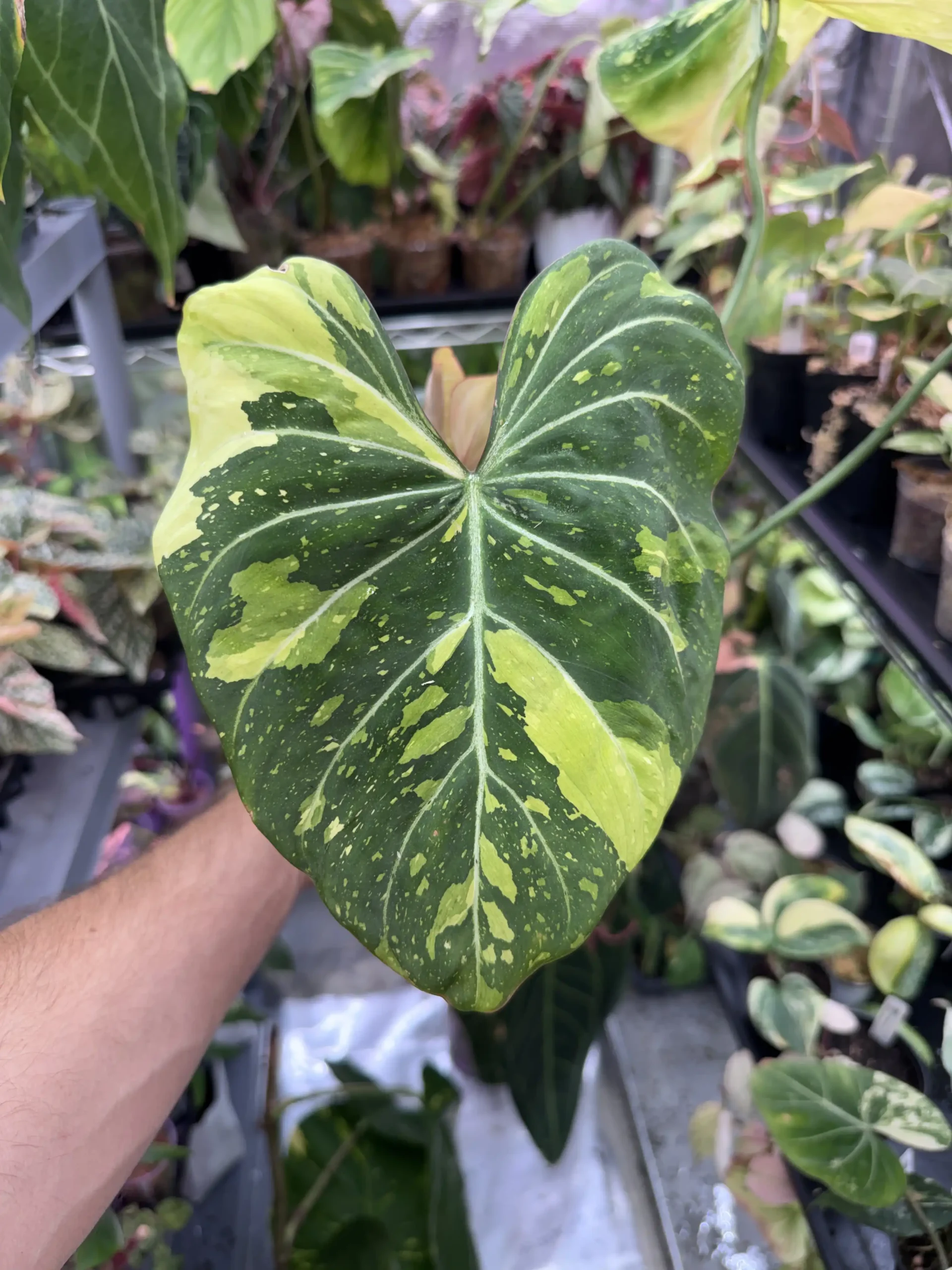
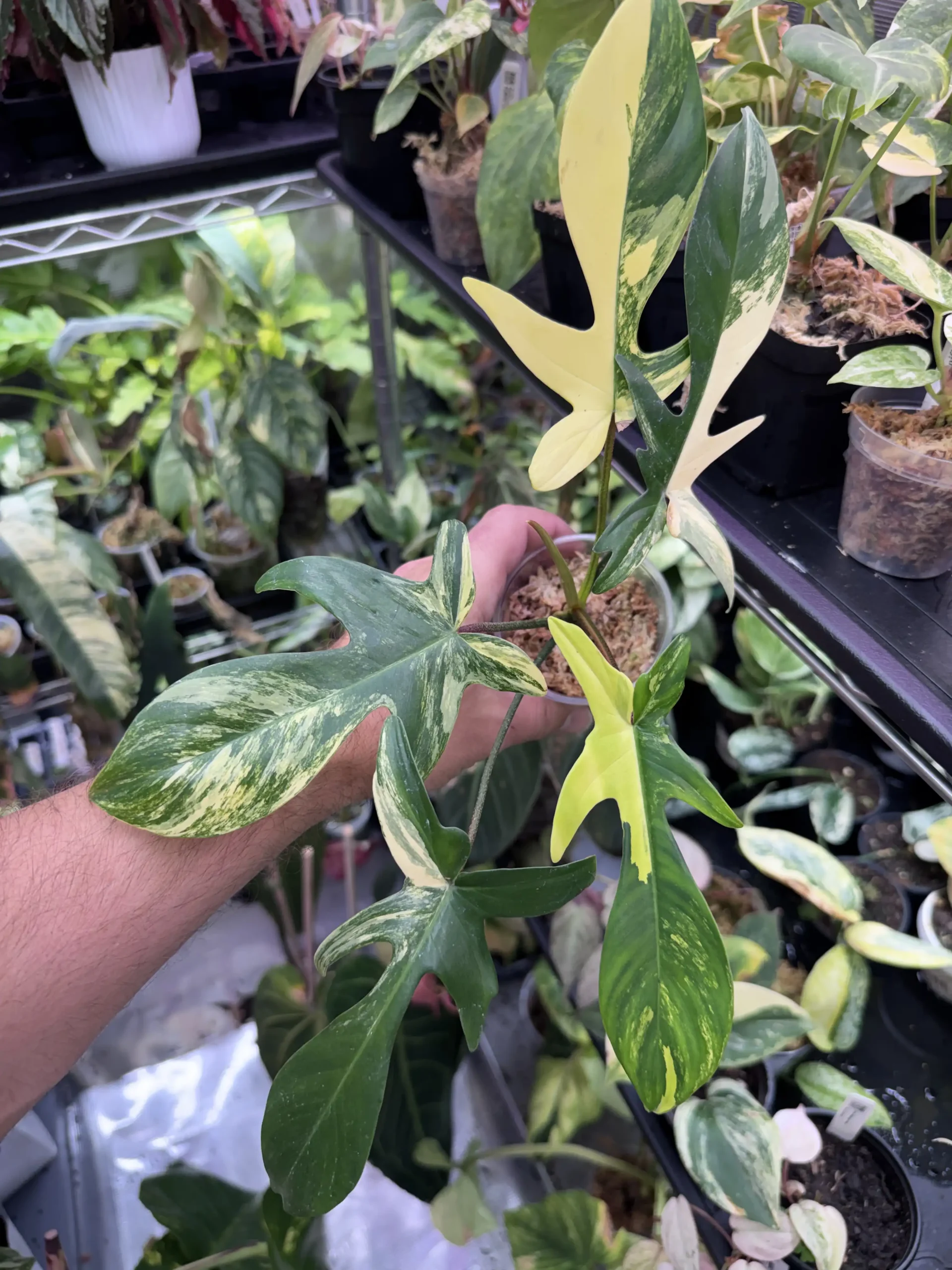
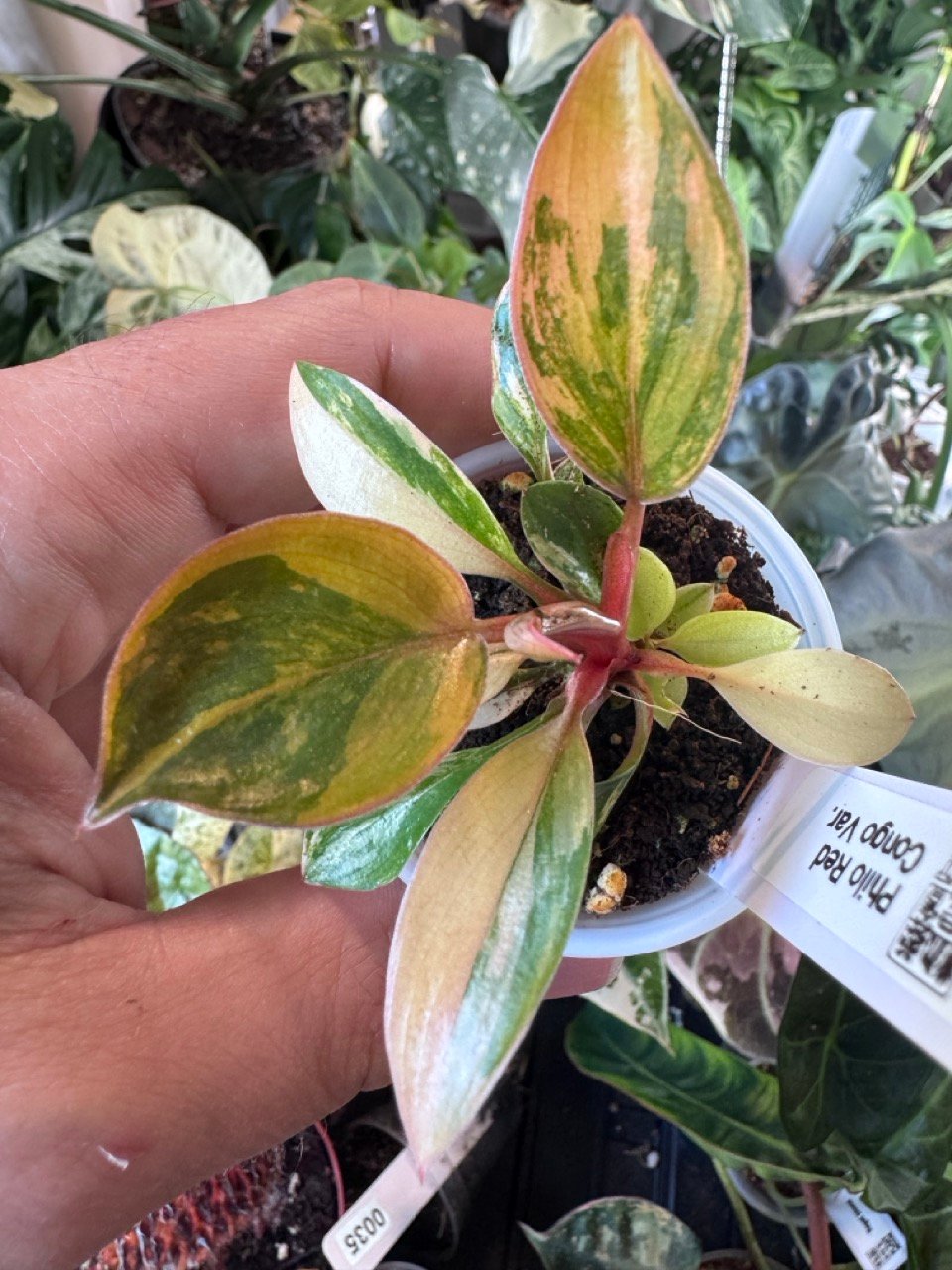
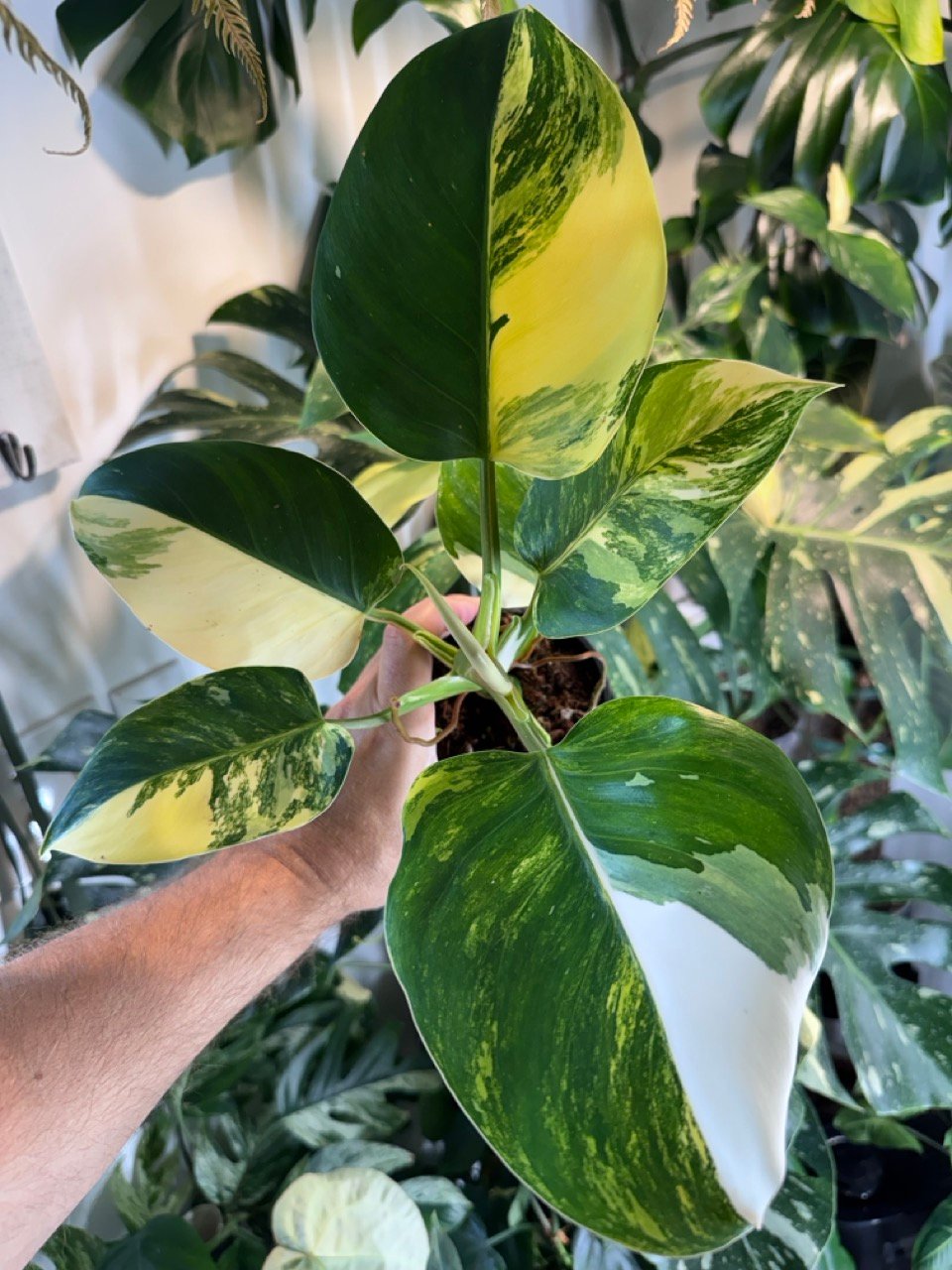
🪴 Philodendron Care: Velvet & Variegated Favorites
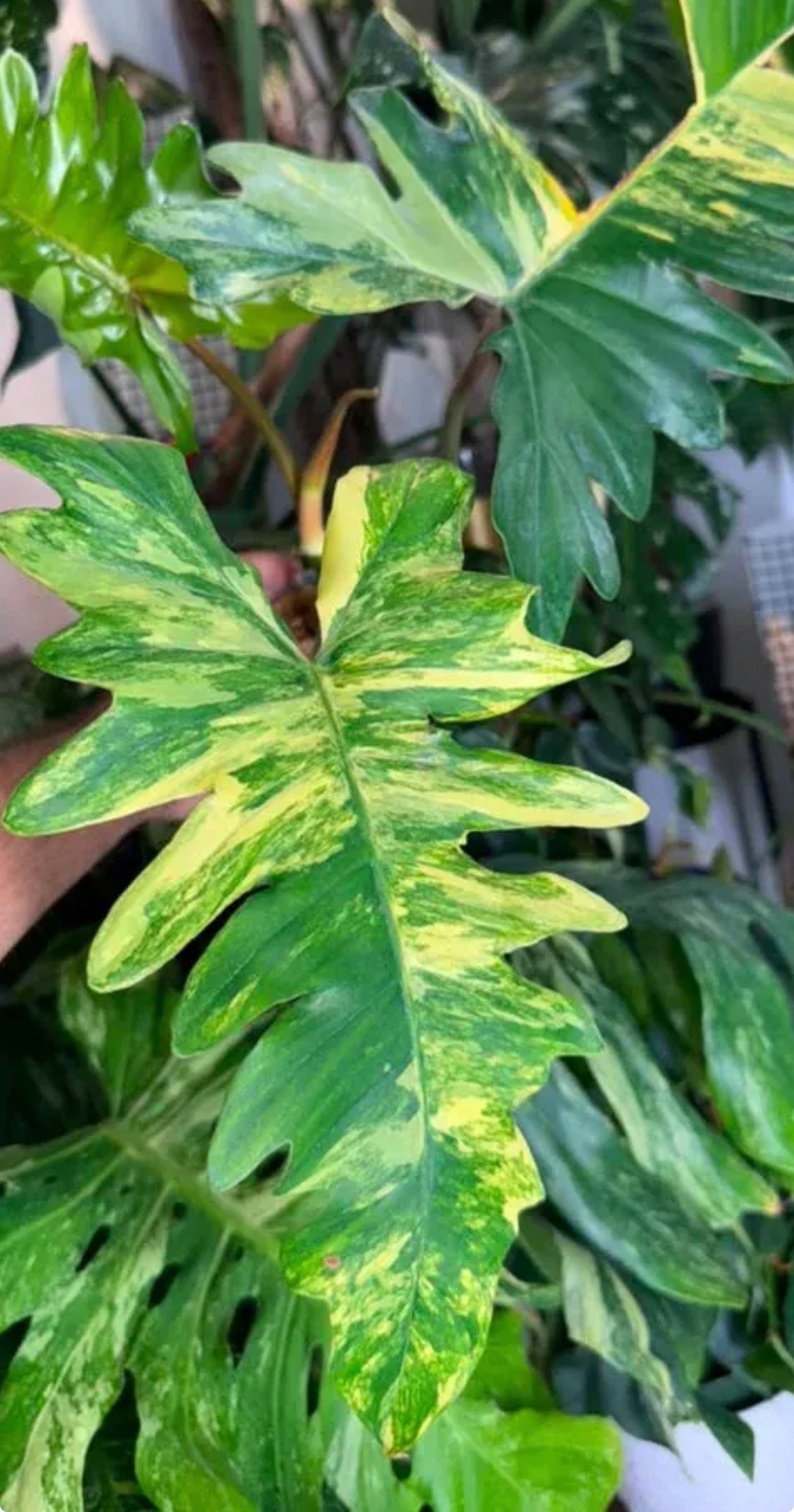
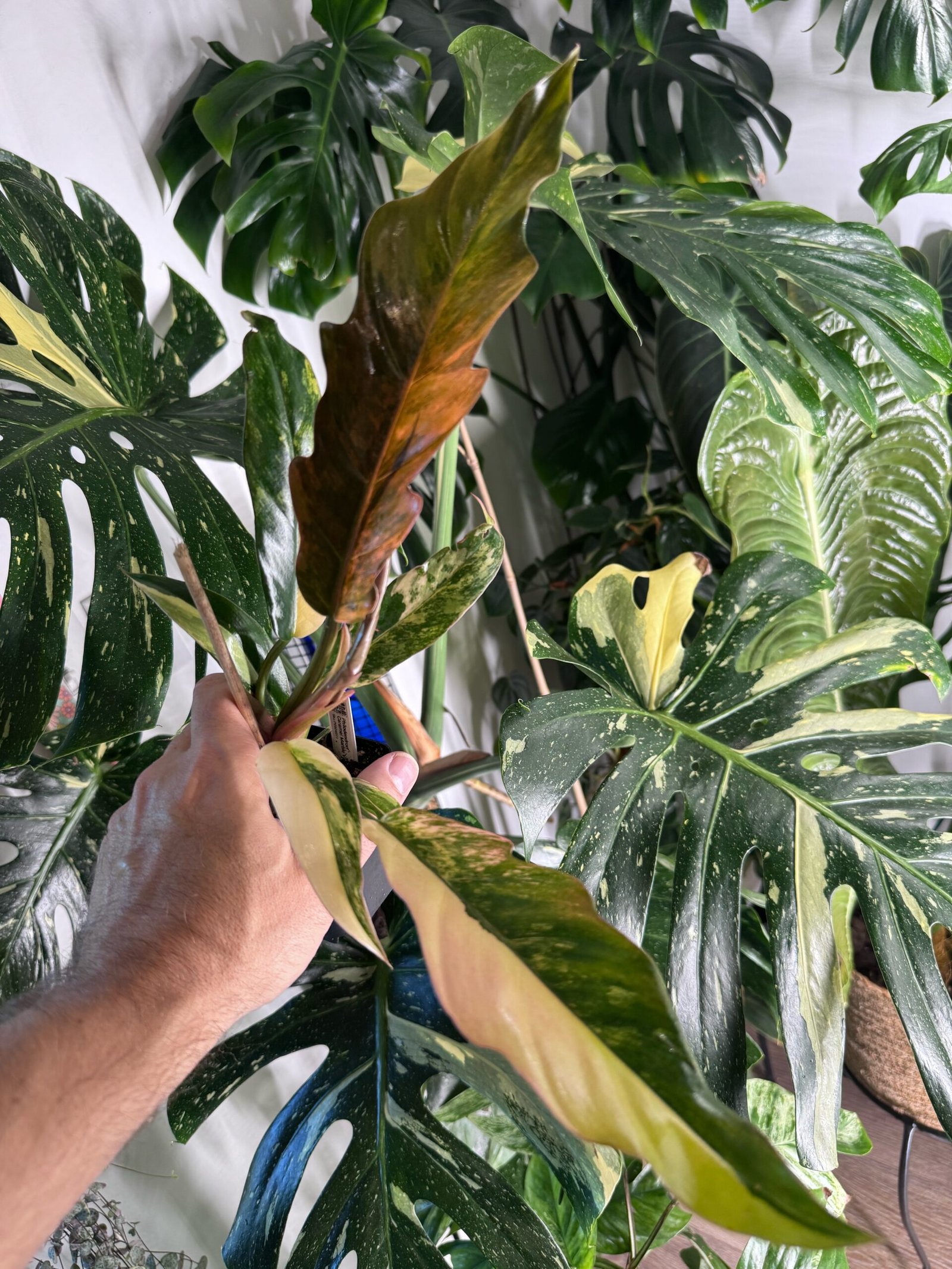
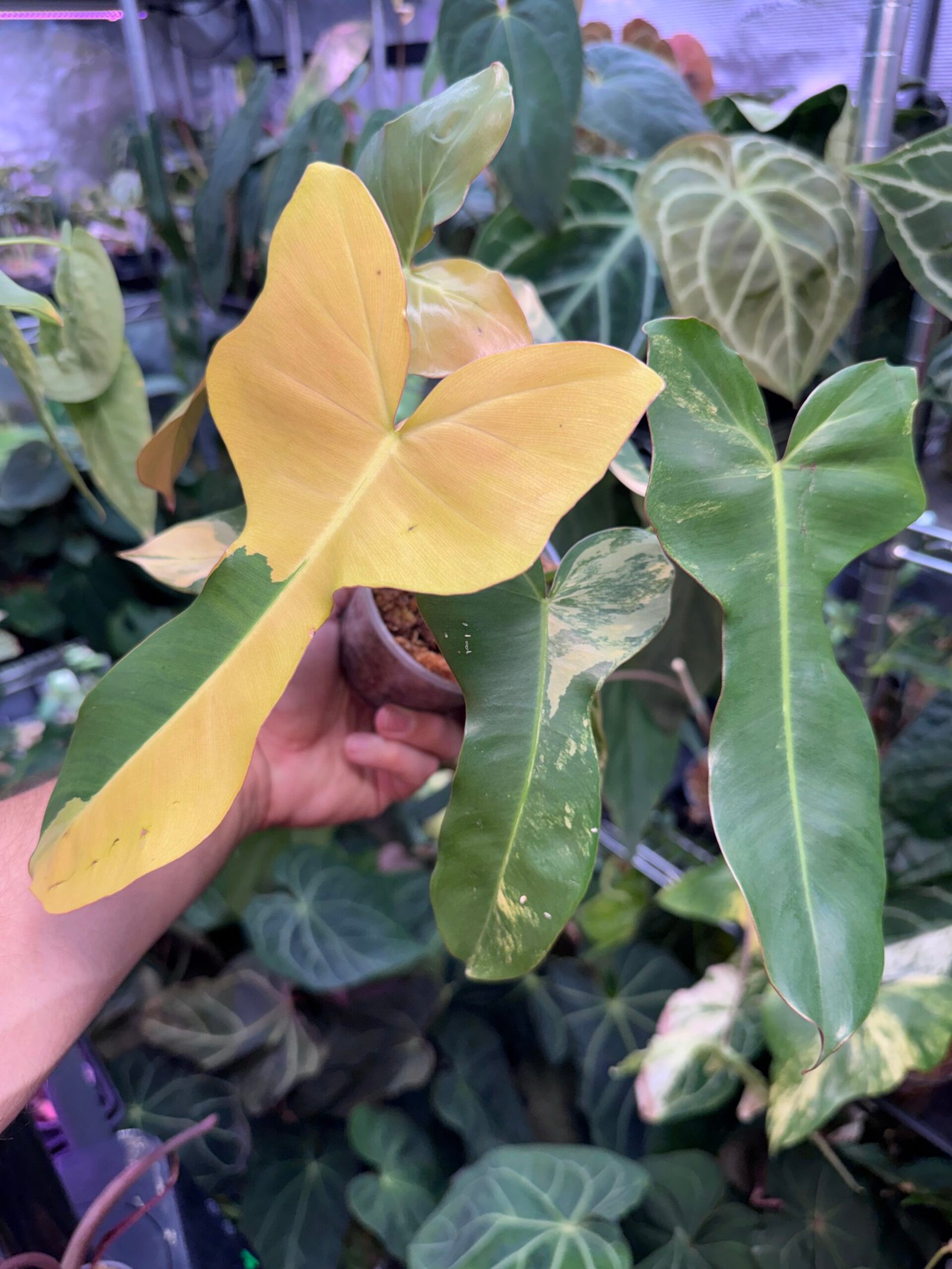
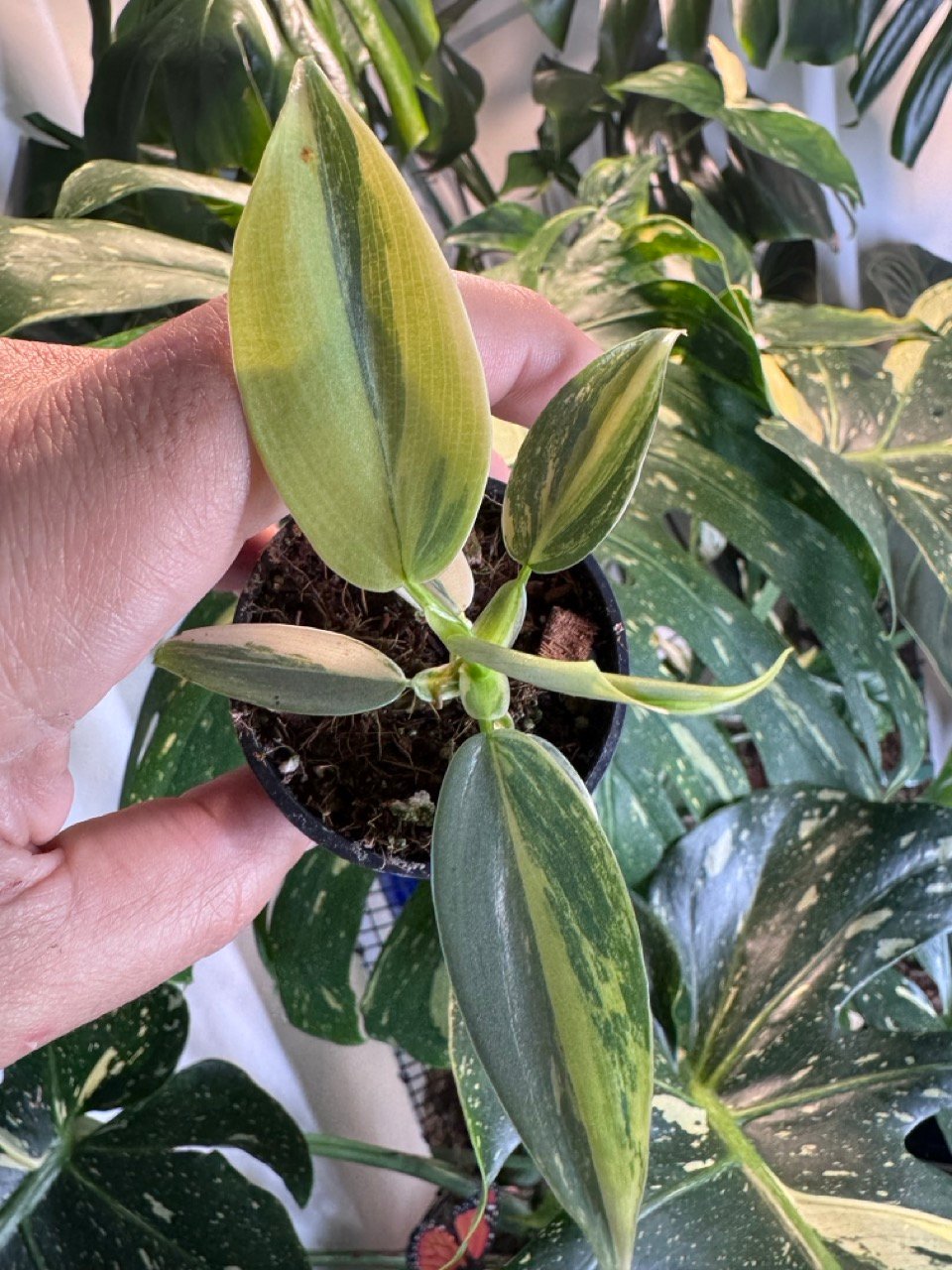
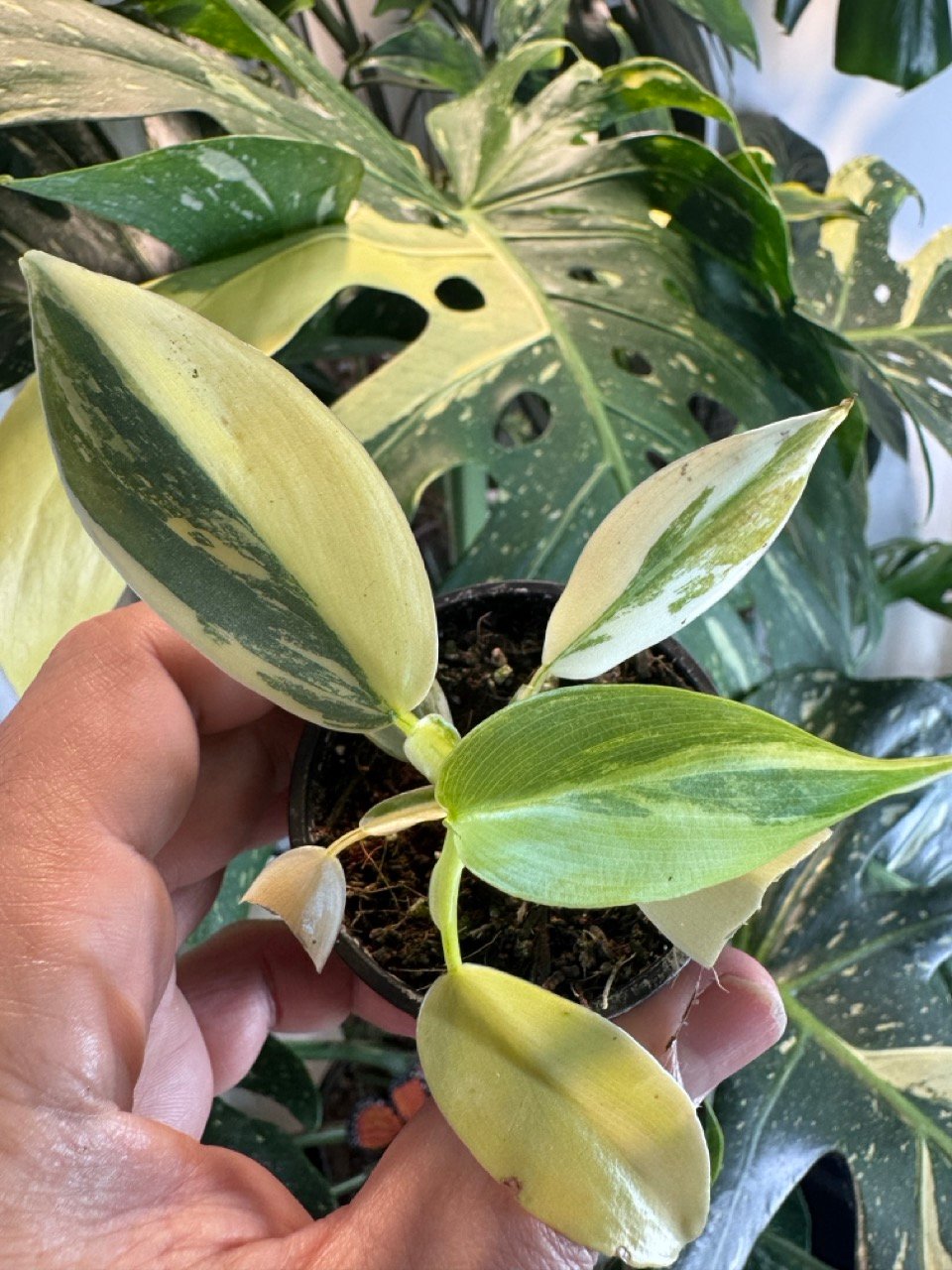
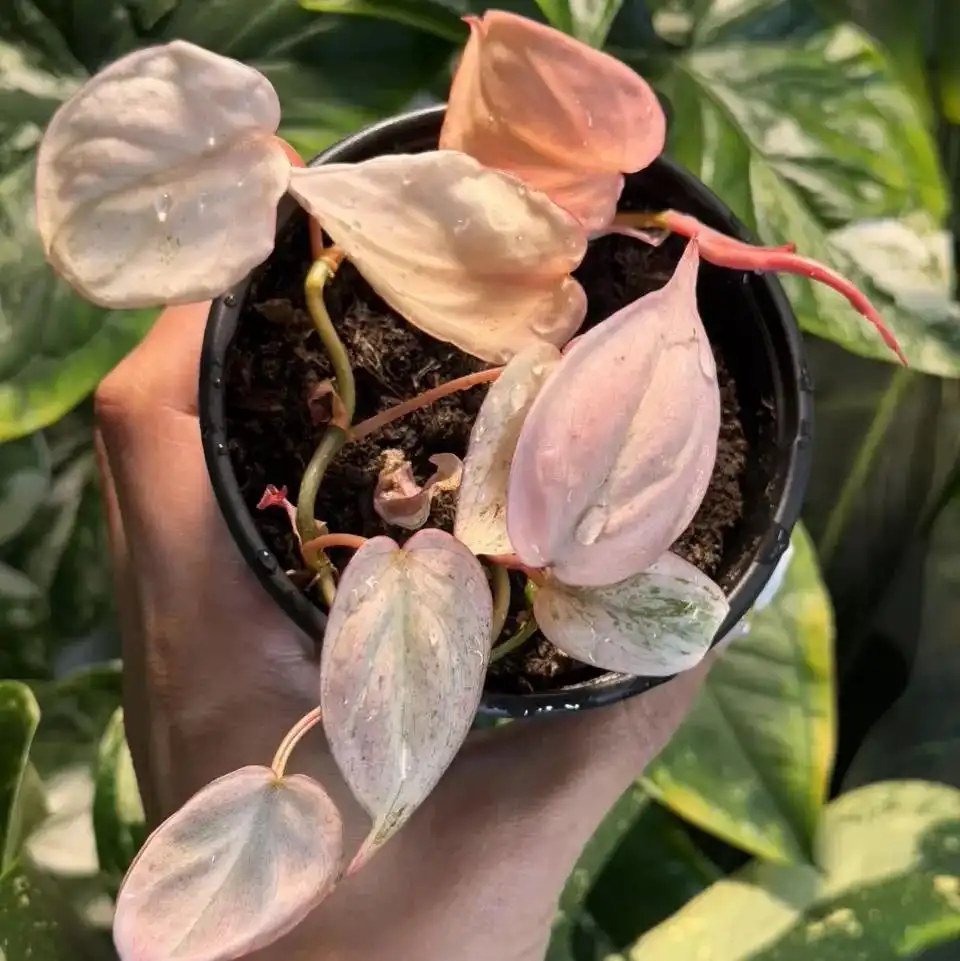
Philodendrons are known for diverse growth habits ranging from trailing Micans to upright collector plants like Ring of Fire and Caramel Marble. Most are epiphytic or hemi-epiphytic and thrive in airy substrate with balanced moisture.
📦 Unboxing & Acclimation
- Initial inspection: Sticky clear droplets on stems are often healthy Extrafloral Nectaries (EFNs), not pests.
- The 14-day bridge: Week 1 humidity above 70%, then slowly transition to ambient air during week 2.
- Bright indirect light: Avoid direct sun for the first 10 days after shipping.
🧪 The Plant Nook Chunky Tropical Mix
A chunky, well-draining epiphytic mix helps reduce root rot while supporting airflow and steady moisture.
| Component | Ratio | Benefit |
|---|---|---|
| Pine Bark | 40% | Large air pockets and climbing-style structure. |
| Peat or Coco Coir | 30% | Balanced moisture retention. |
| Perlite or Orchid Bark | 20% | Improves oxygen flow and prevents compaction. |
| Worm Castings | 10% | Gentle nutrients and microbial activity. |
🪴 Alocasia Semi-Hydro Method
- Our preferred setup: Lechuza Pon paired with Naked Root Pots.
- 360° aeration: Open-sided pots help roots breathe and reduce root binding.
- Capillary watering: Pon wicks water from a reservoir to keep roots hydrated but not waterlogged.
🪴 Anthurium Velvet Care
- Chunky substrate: Velvet Anthuriums prefer airy media with high oxygen exchange.
- Humidity: Aim for 60–80% humidity to prevent crispy edges.
- Water quality: Distilled or RO water helps reduce mineral buildup on velvet foliage.
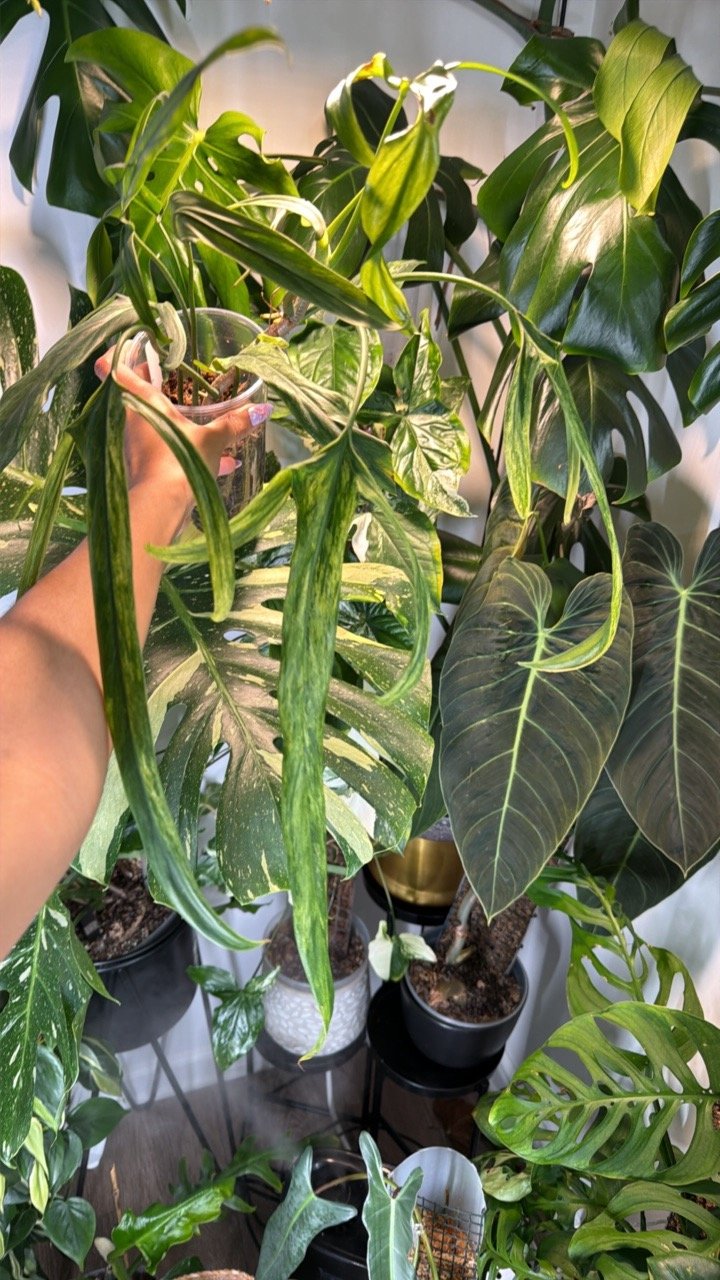
🪴 Monstera Climbing Care
- Moss poles: Vertical support encourages larger leaves and stronger fenestrations.
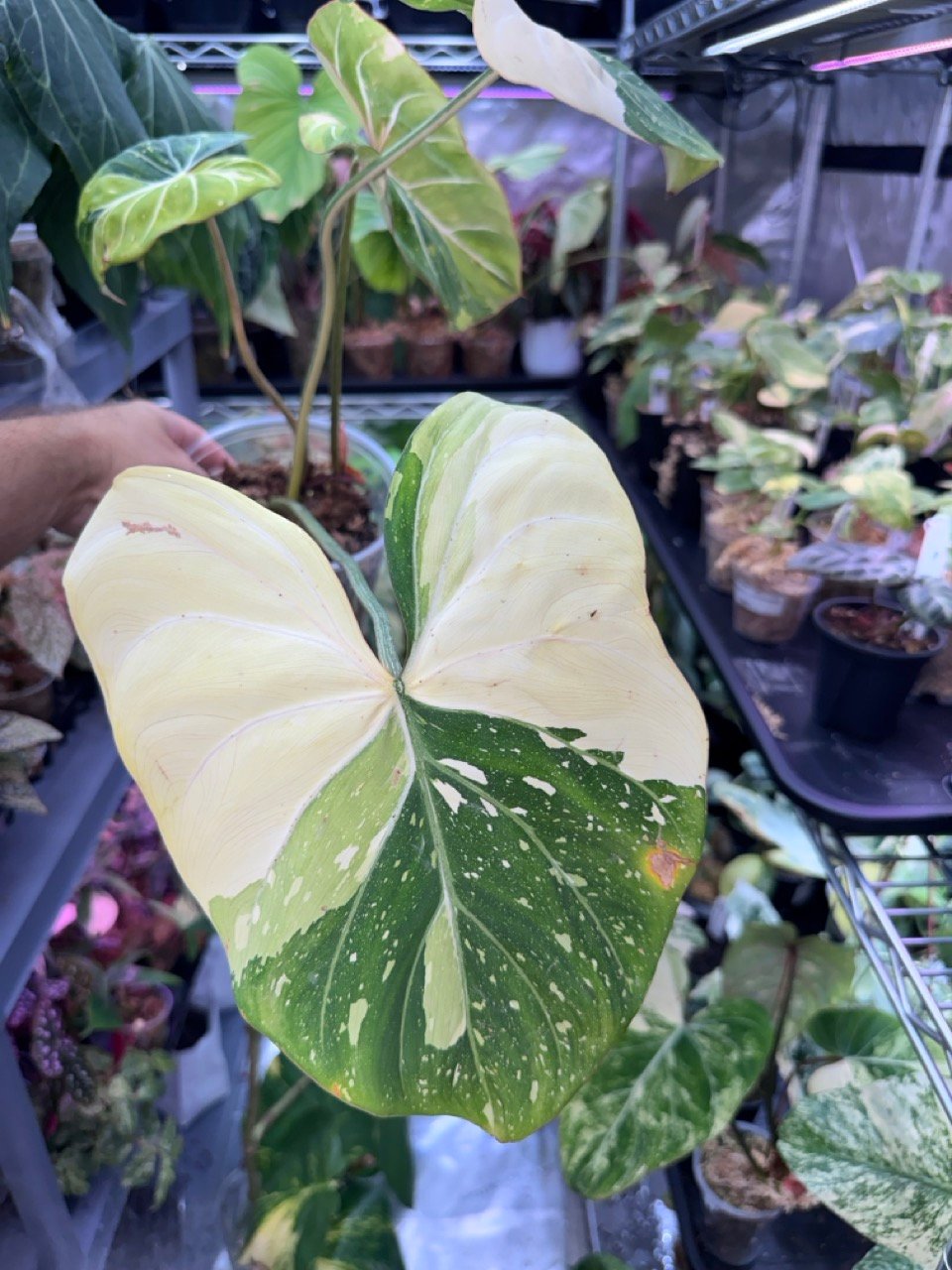
- Variegated forms: White Monsteras and aurea varieties require stronger light to maintain color.