
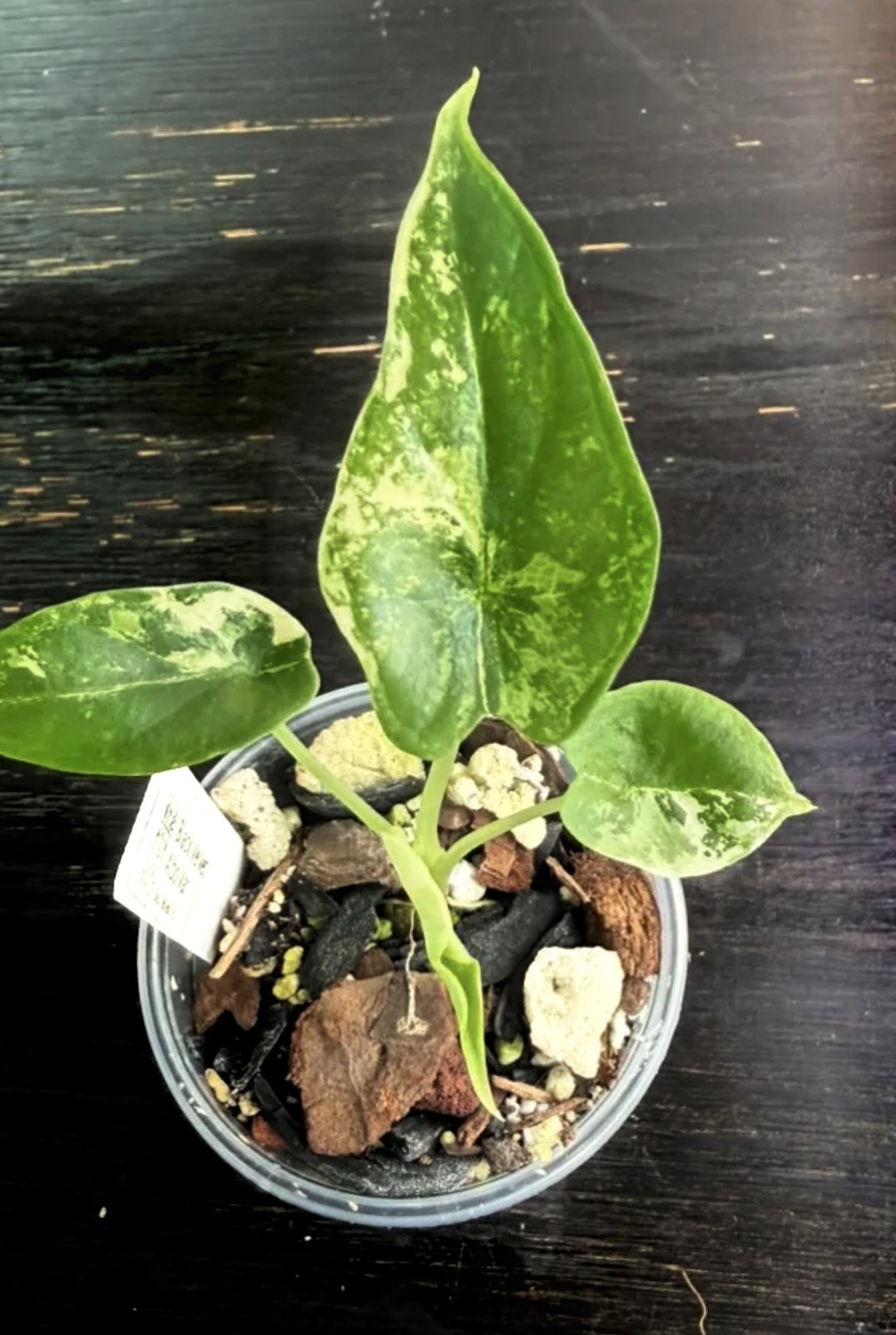
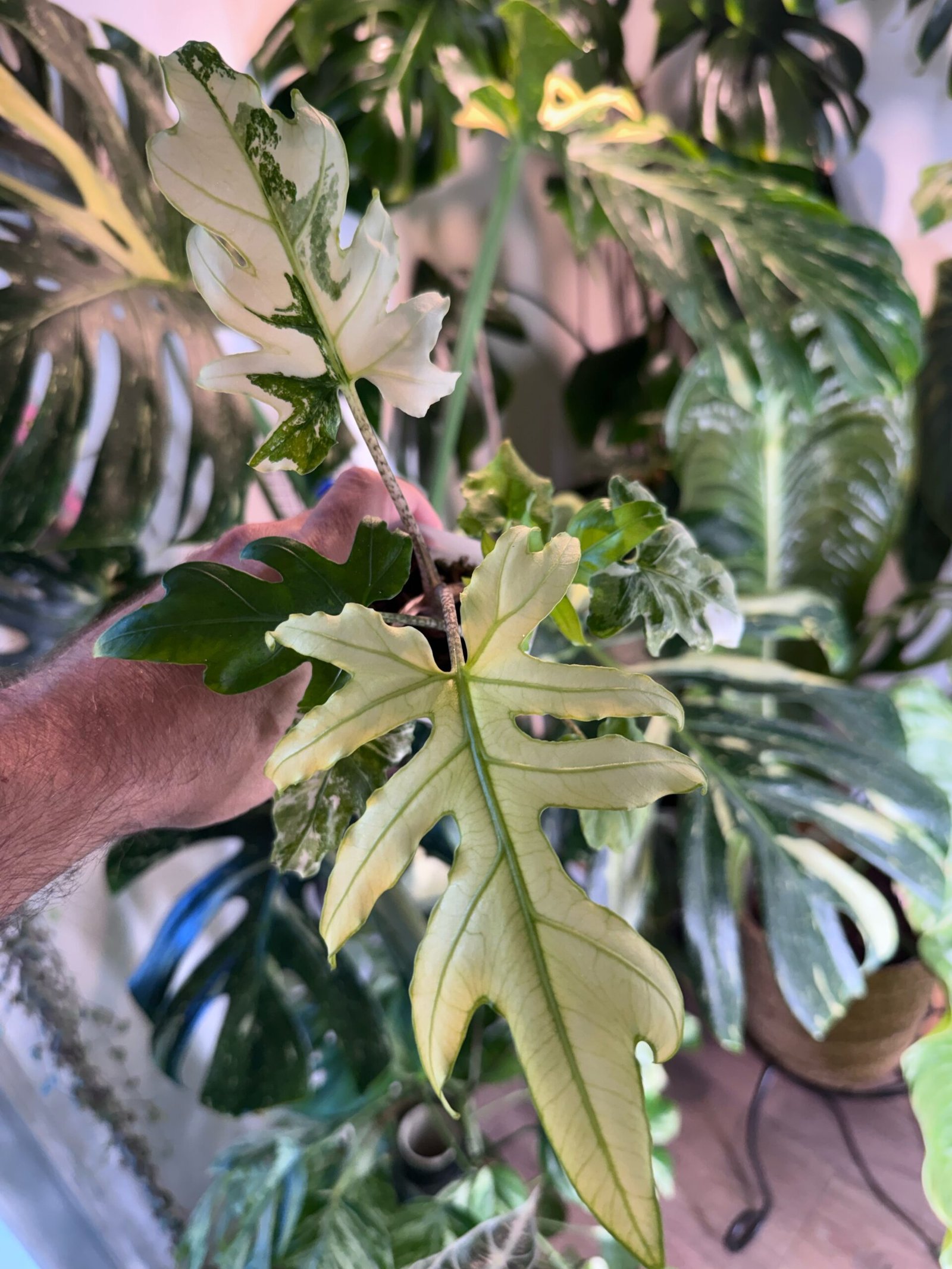
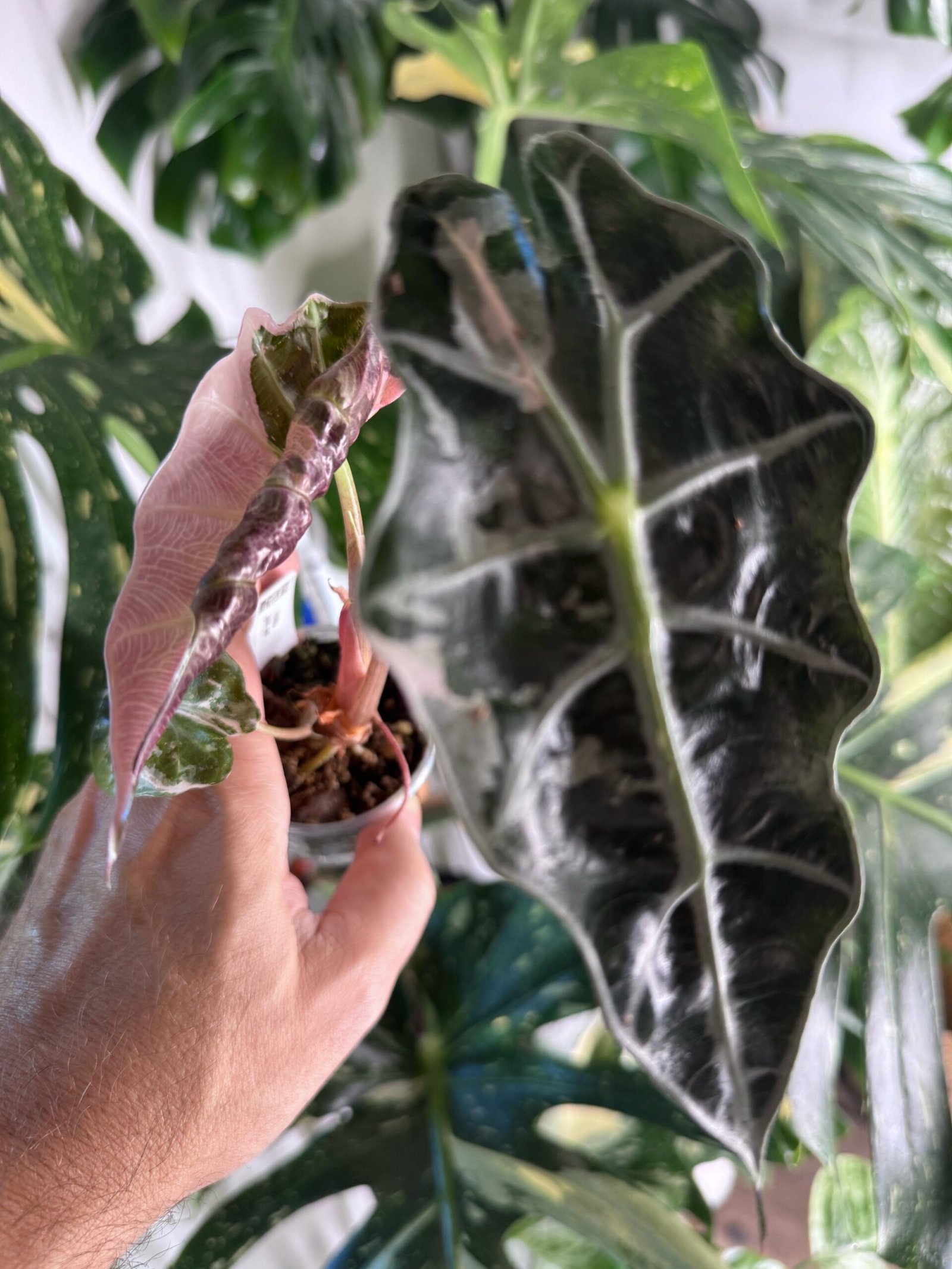
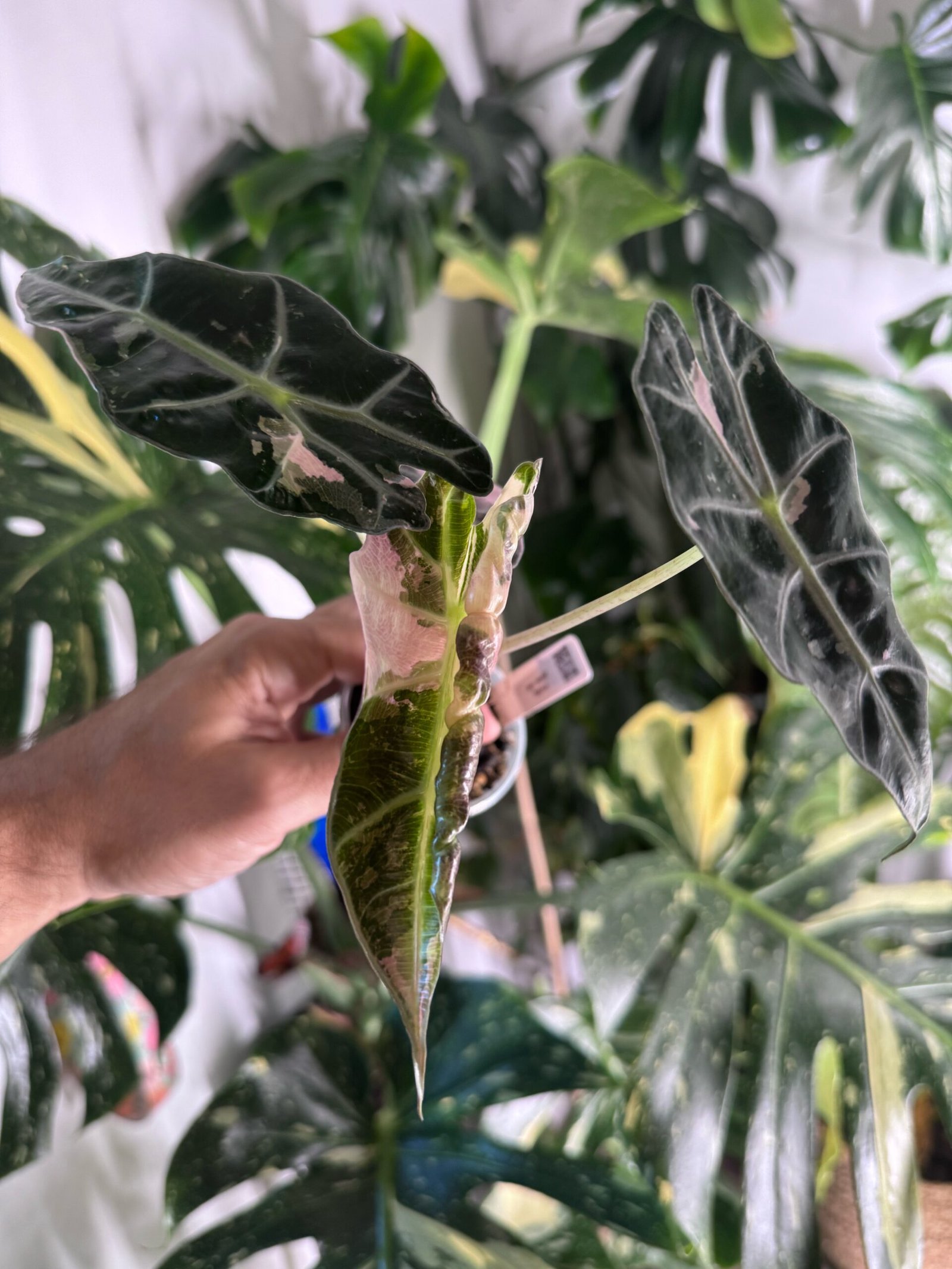
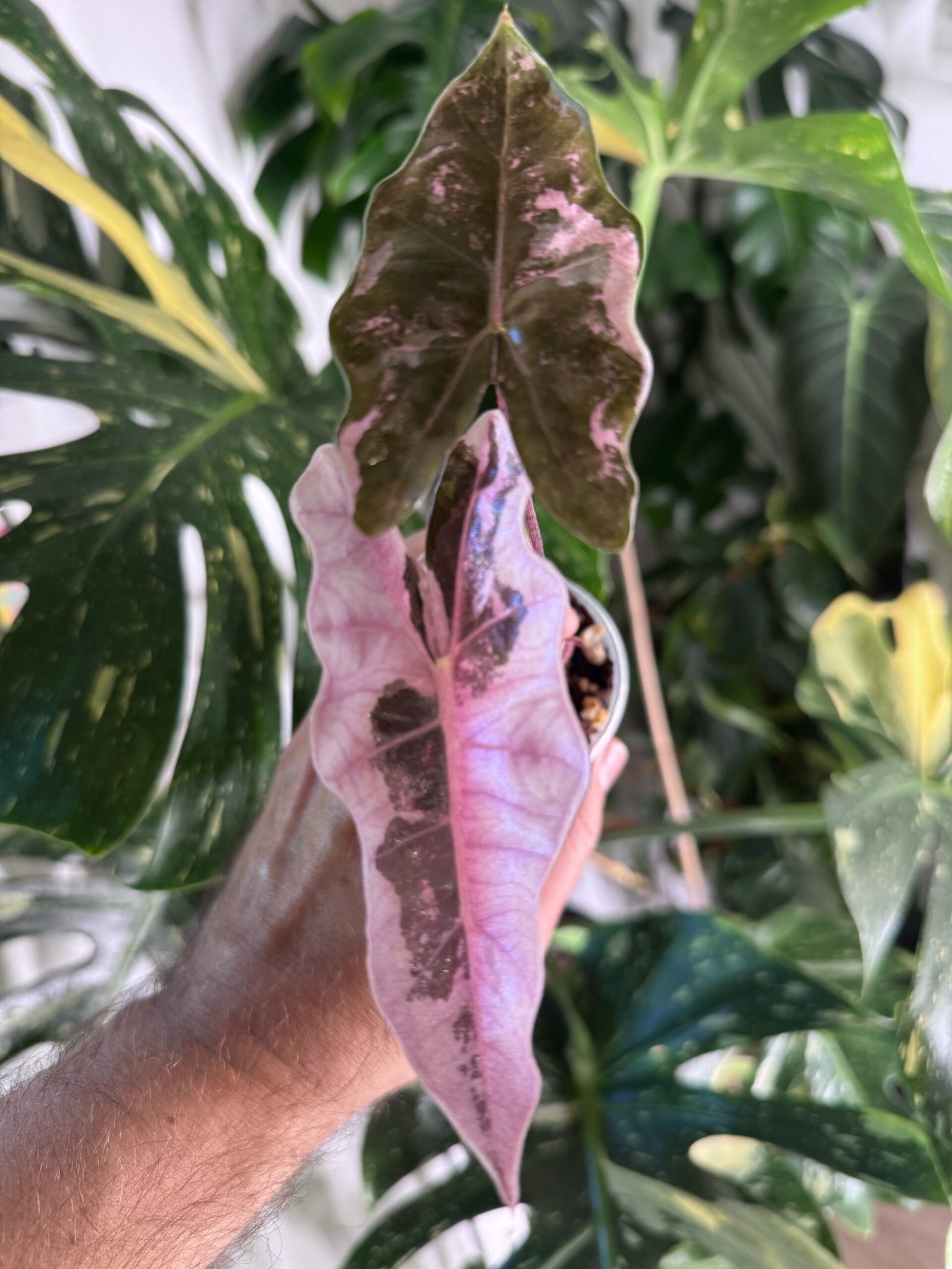
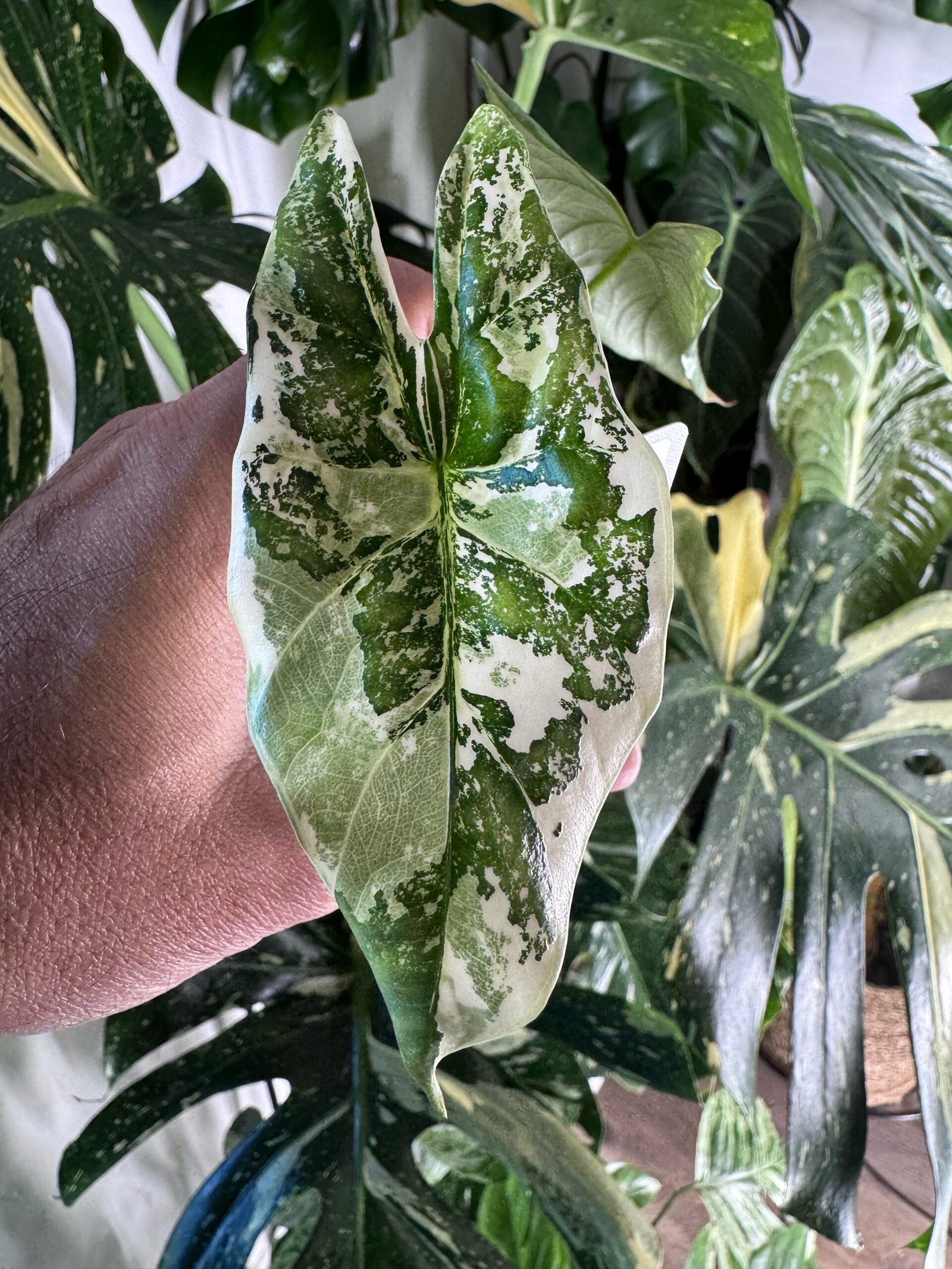
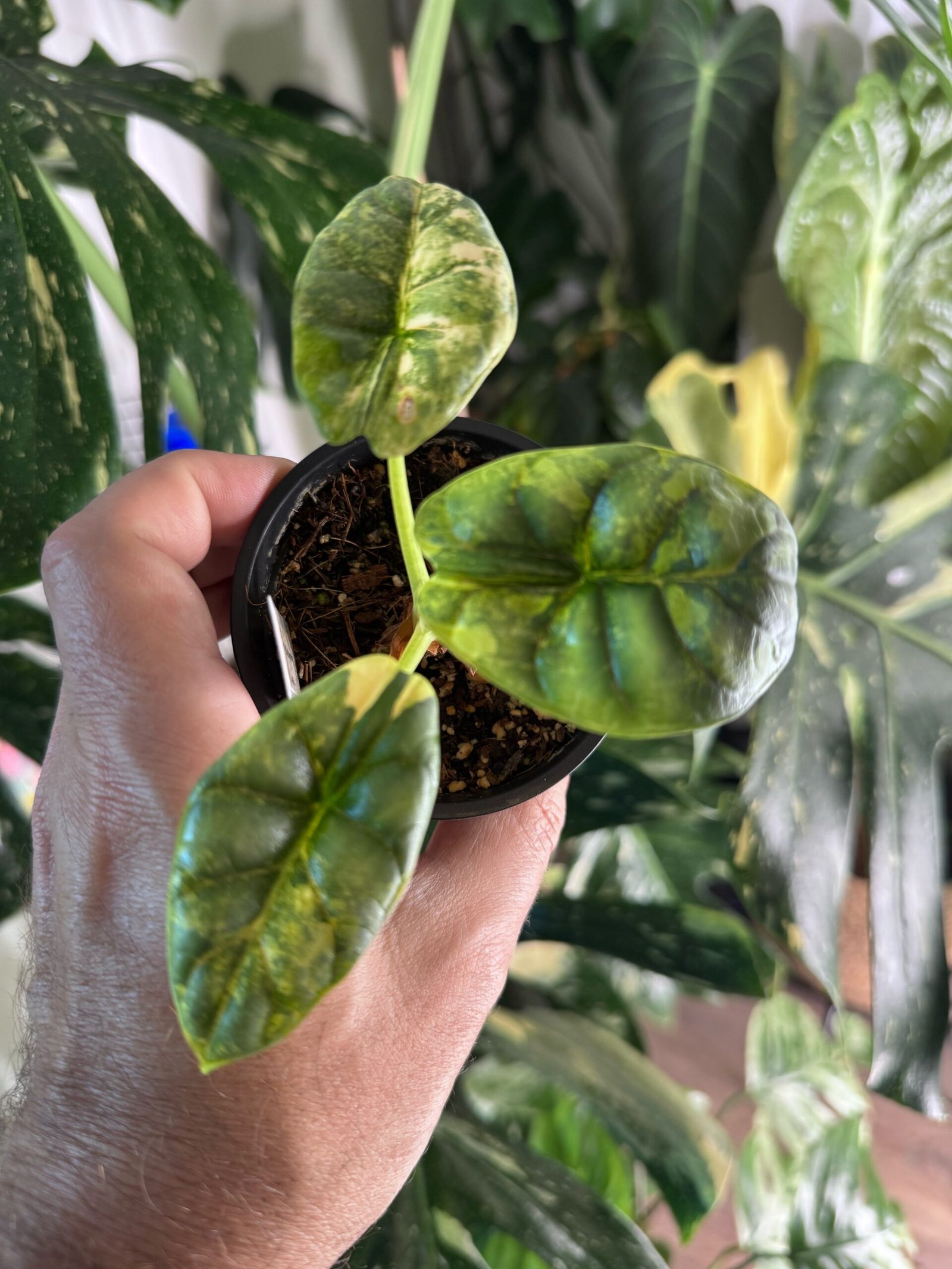
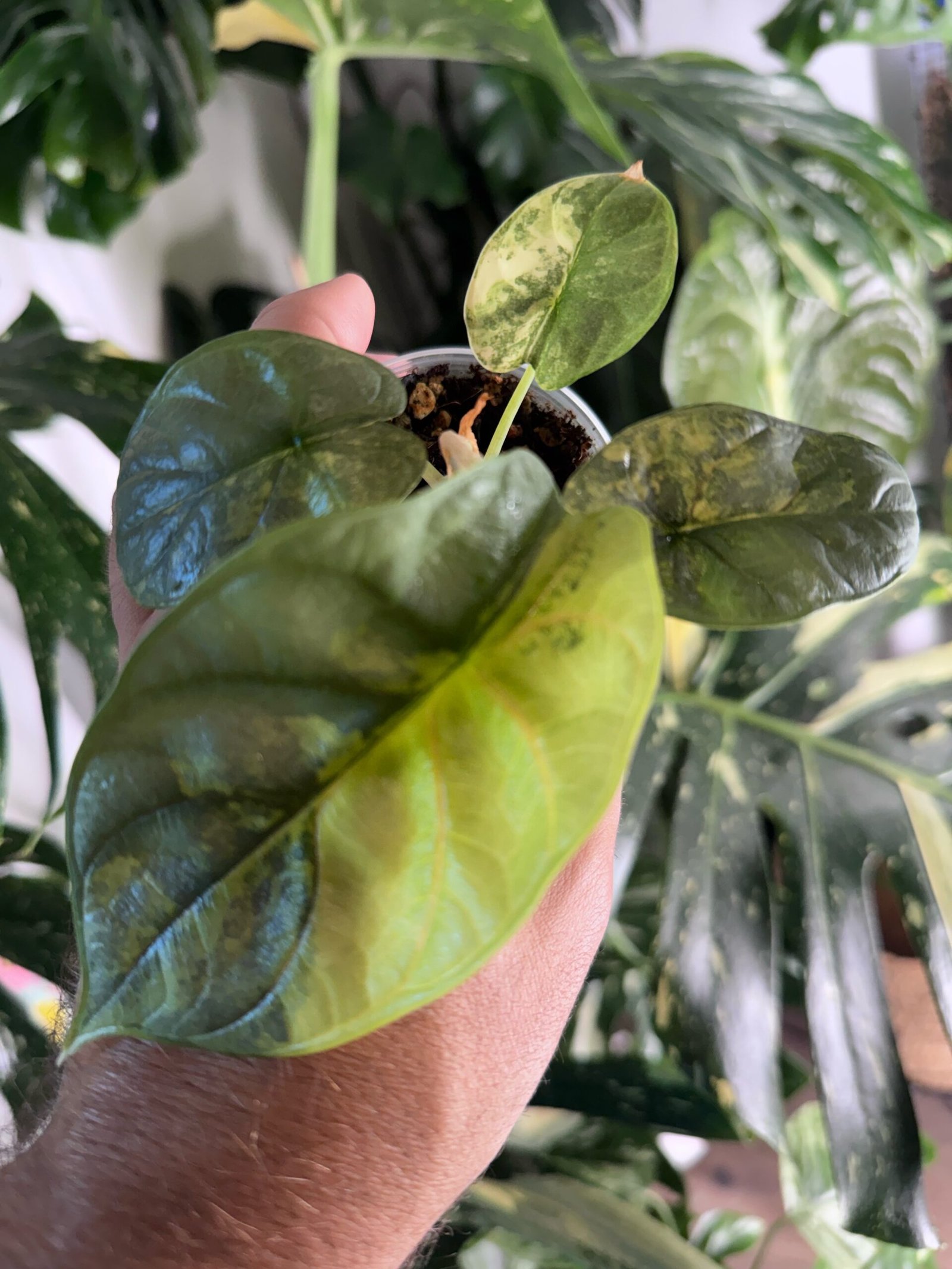
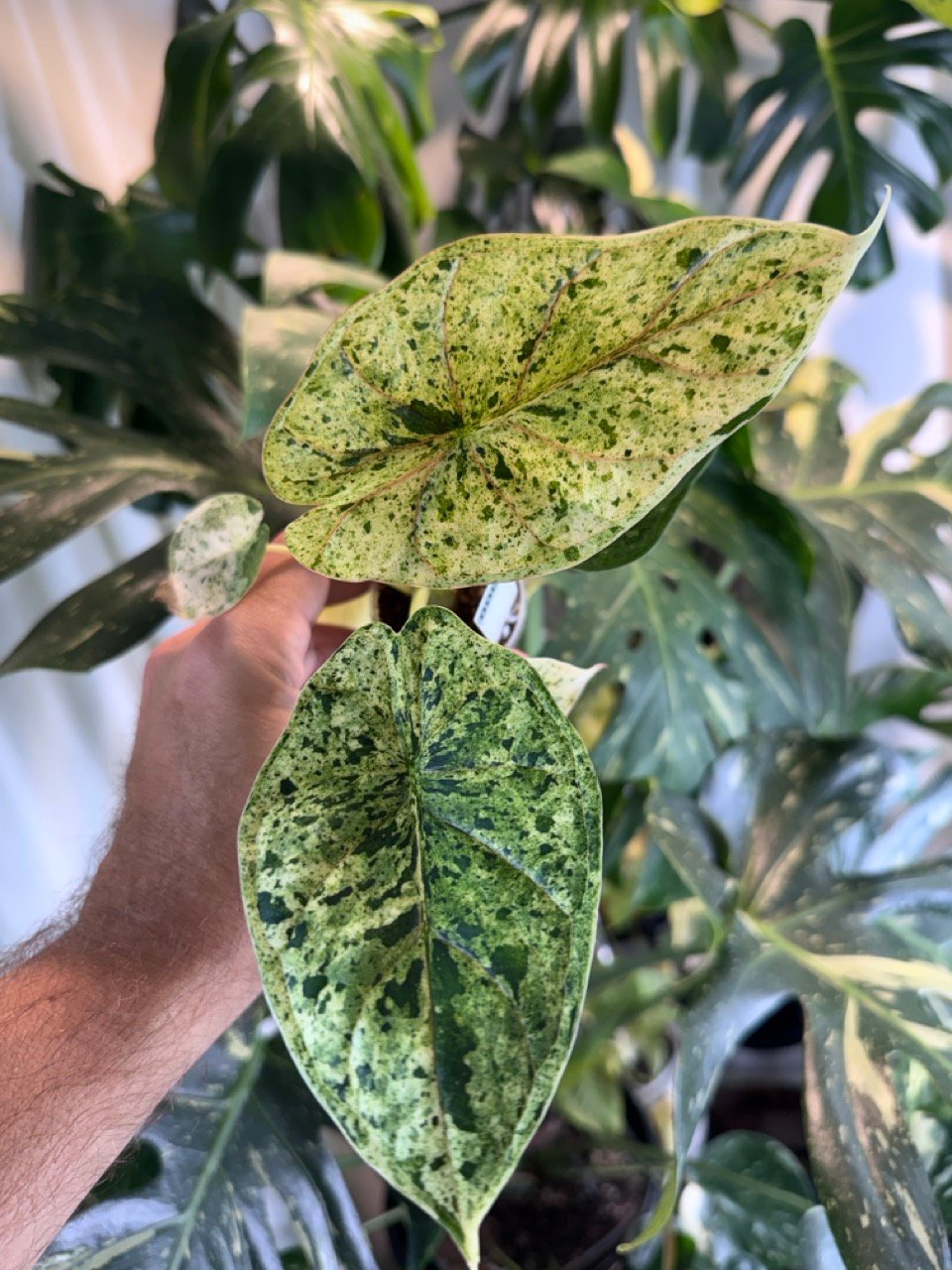
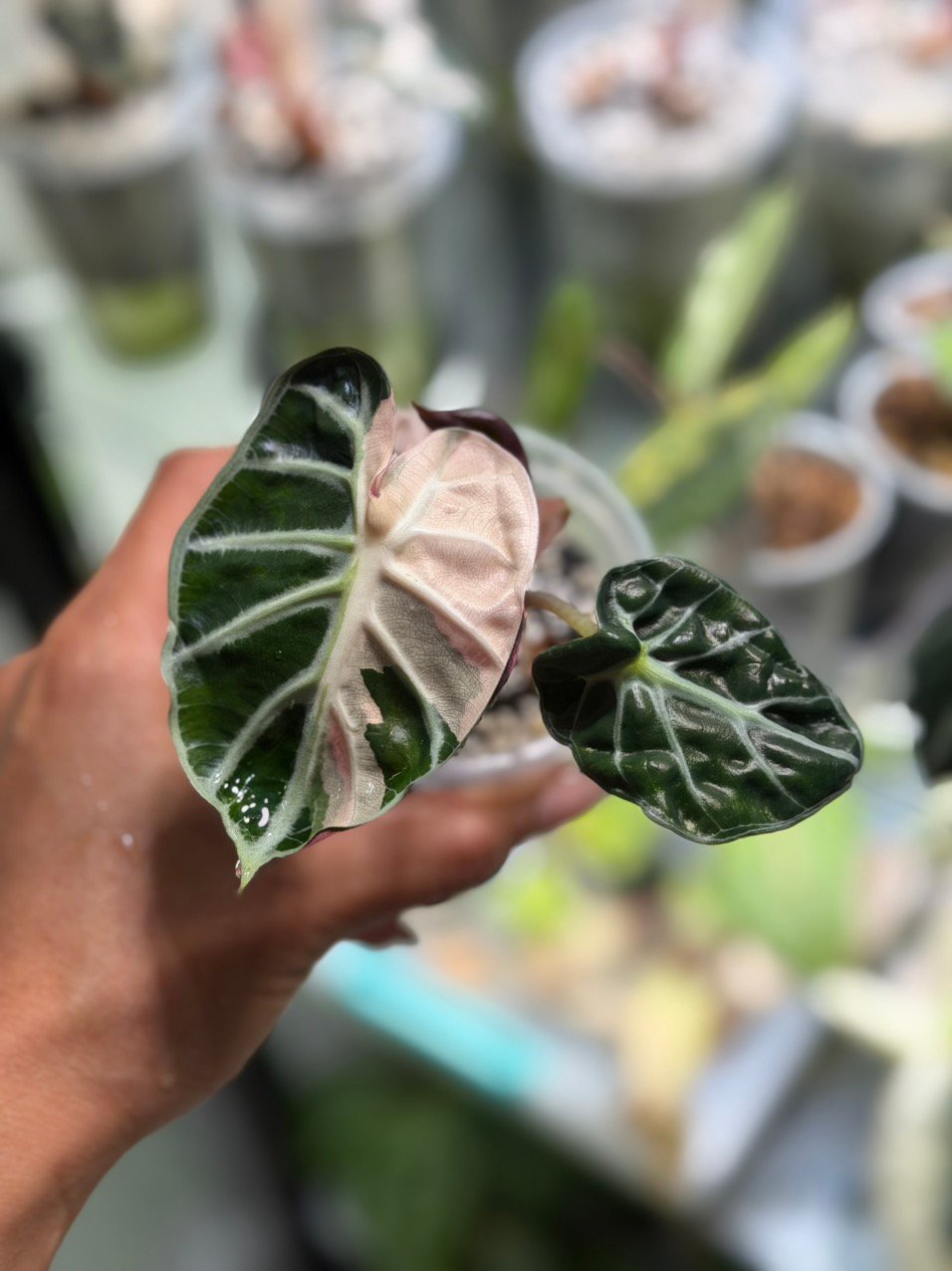
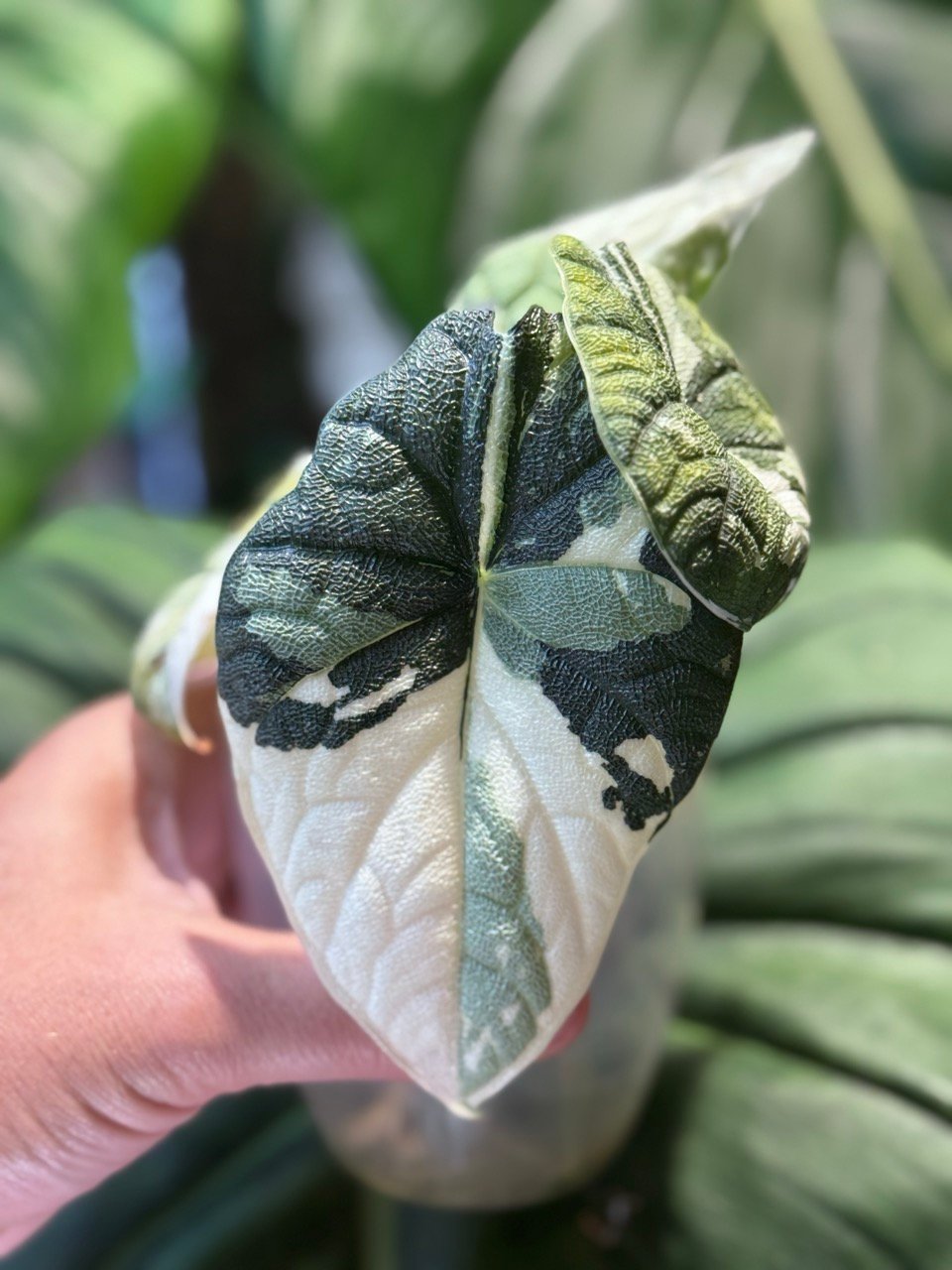
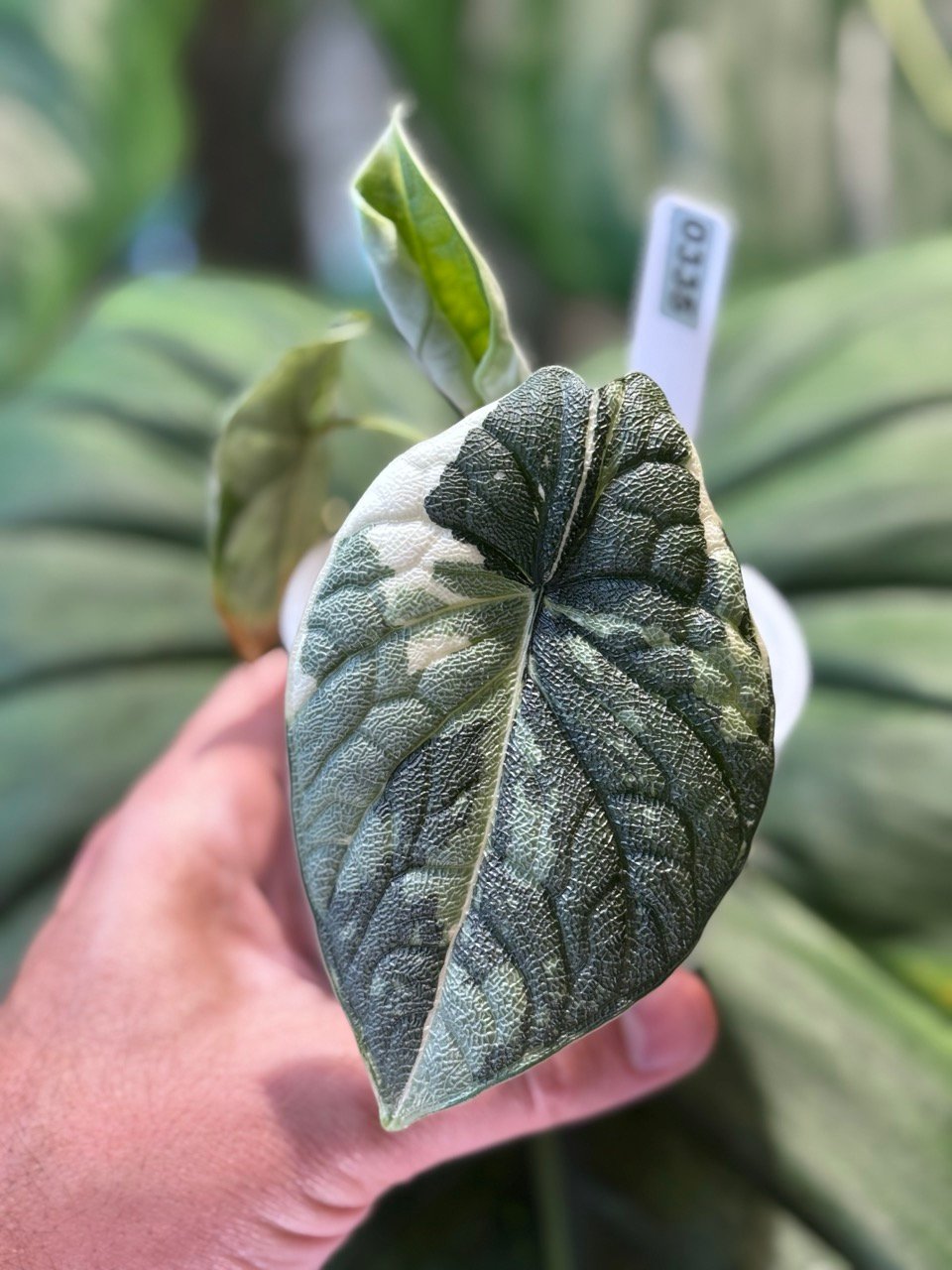
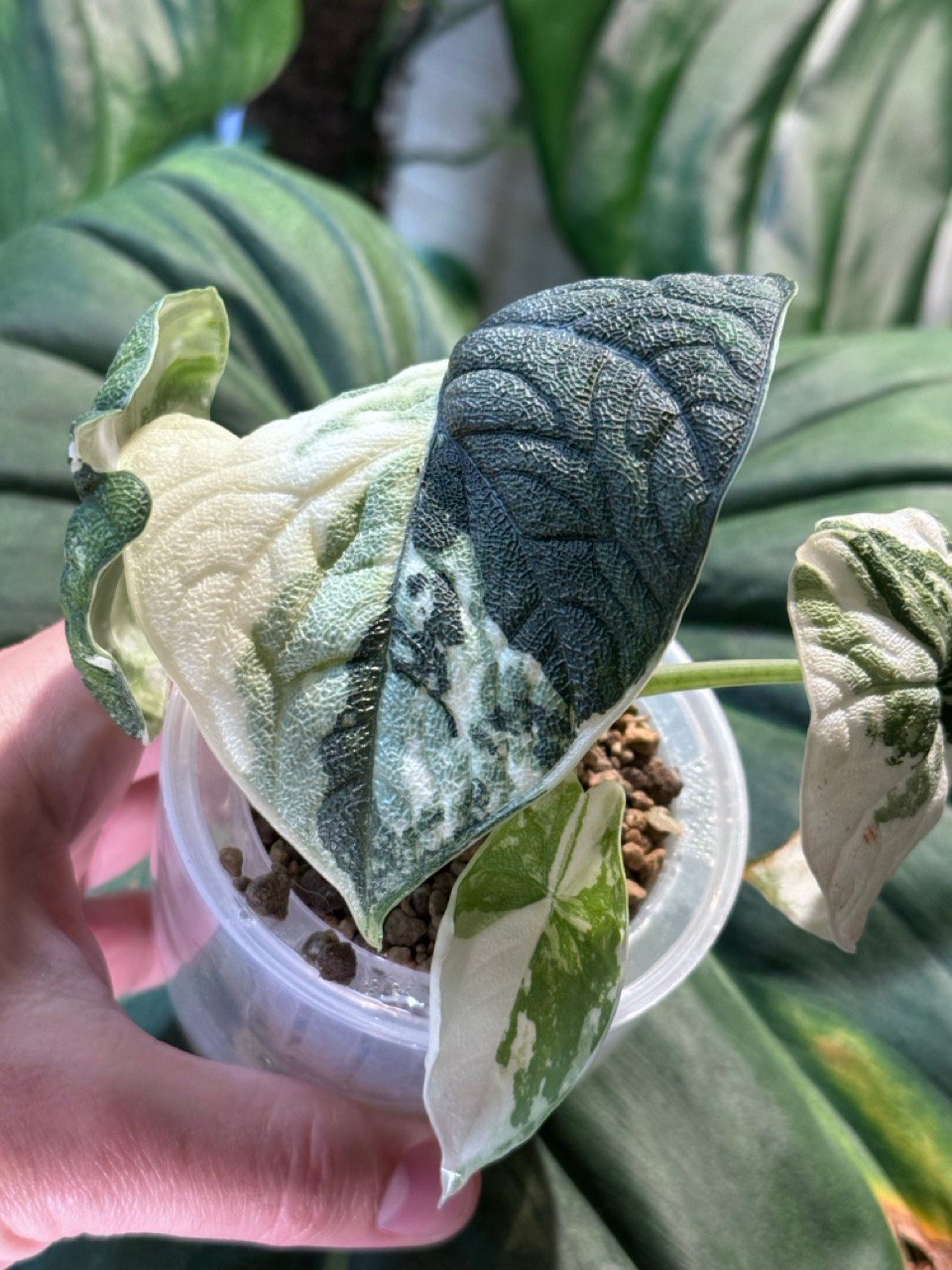
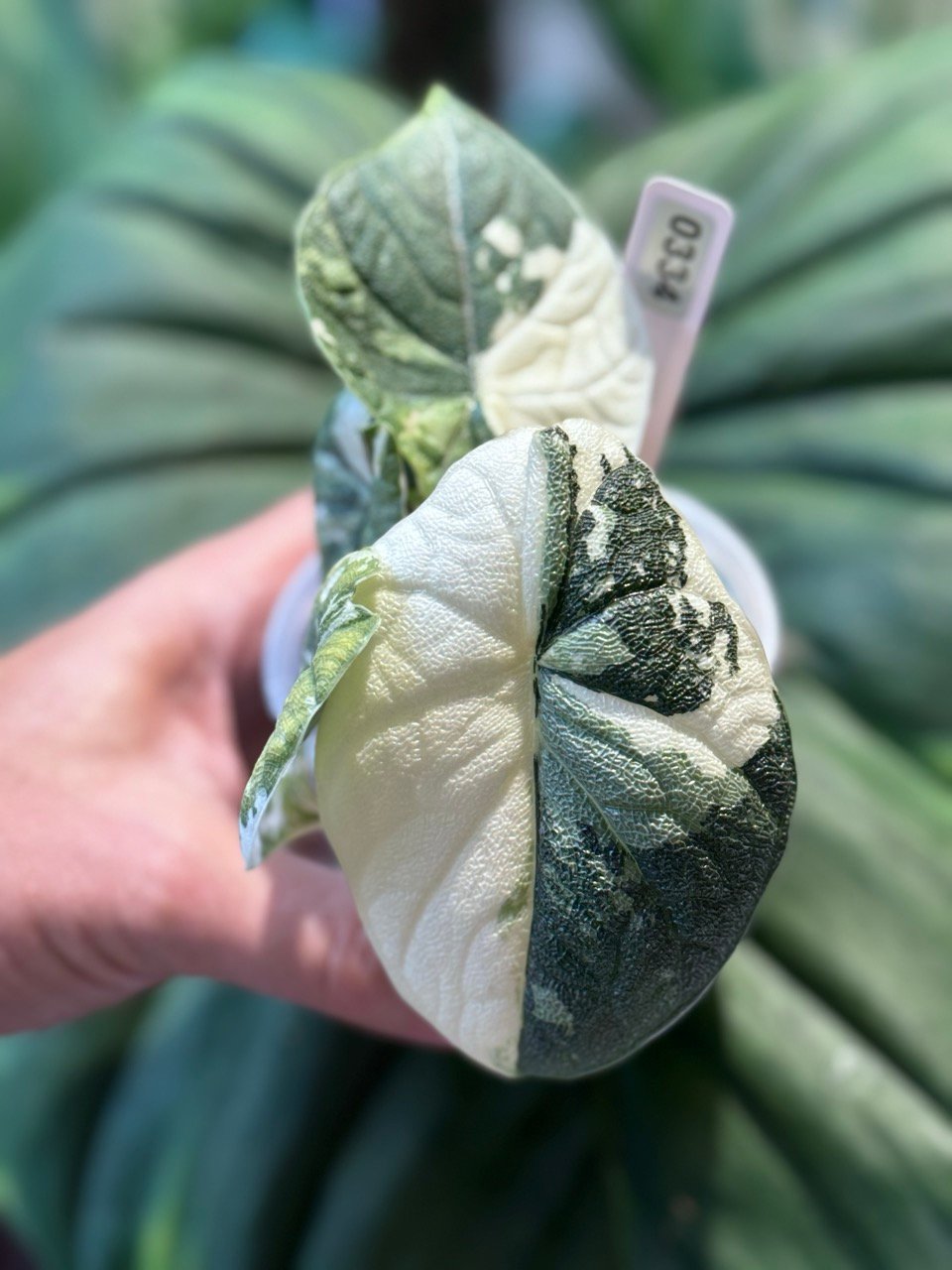
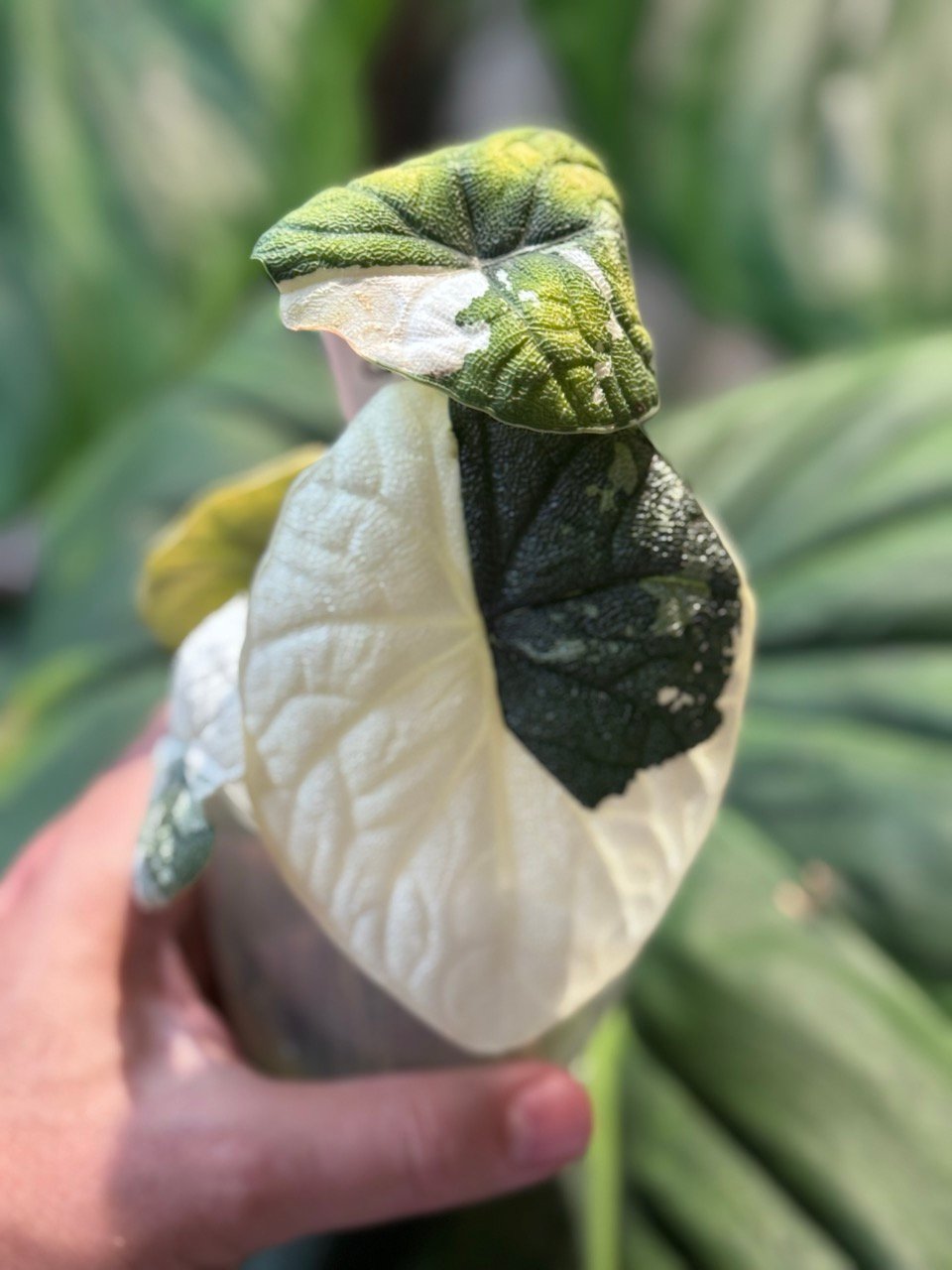
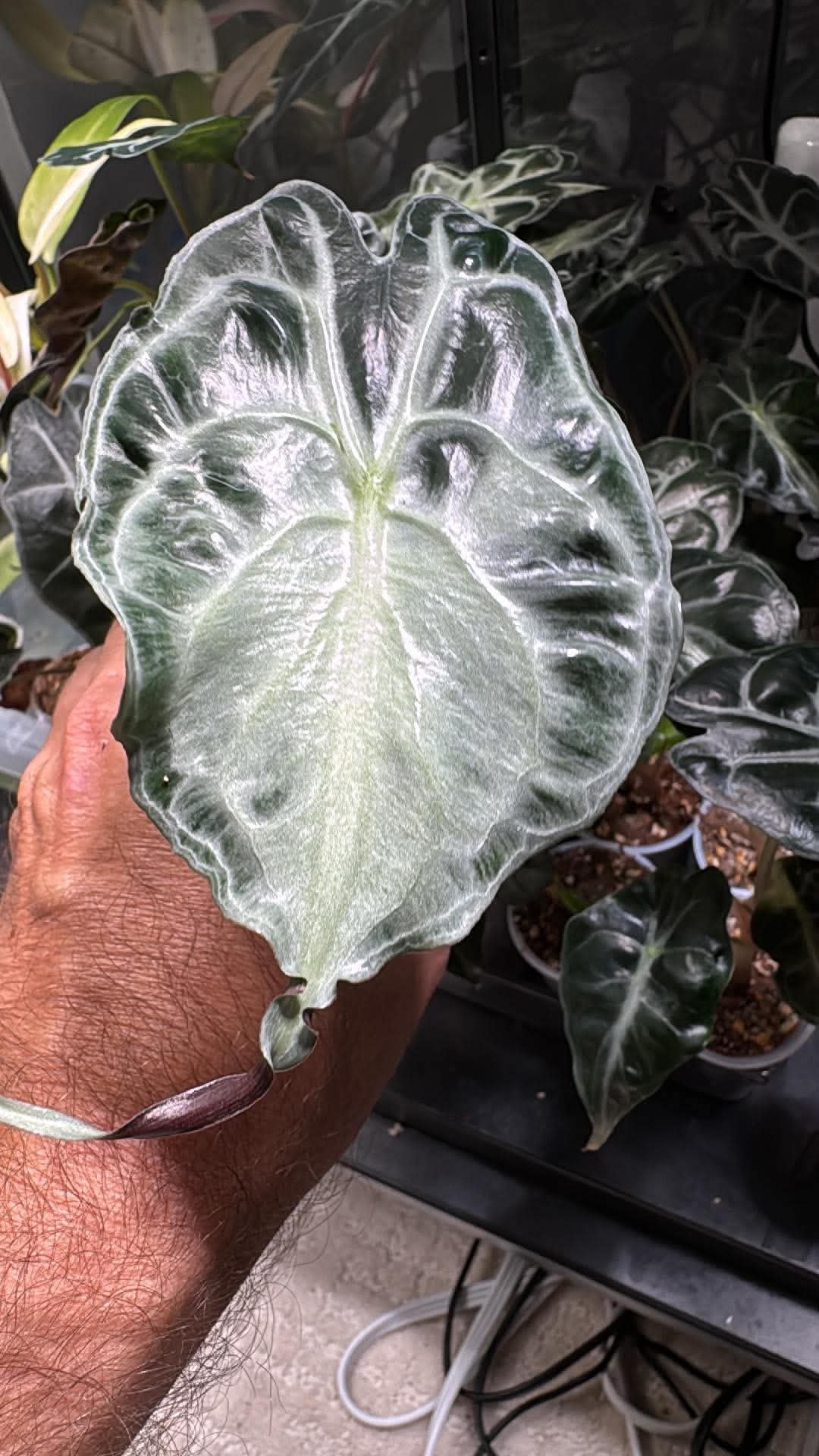
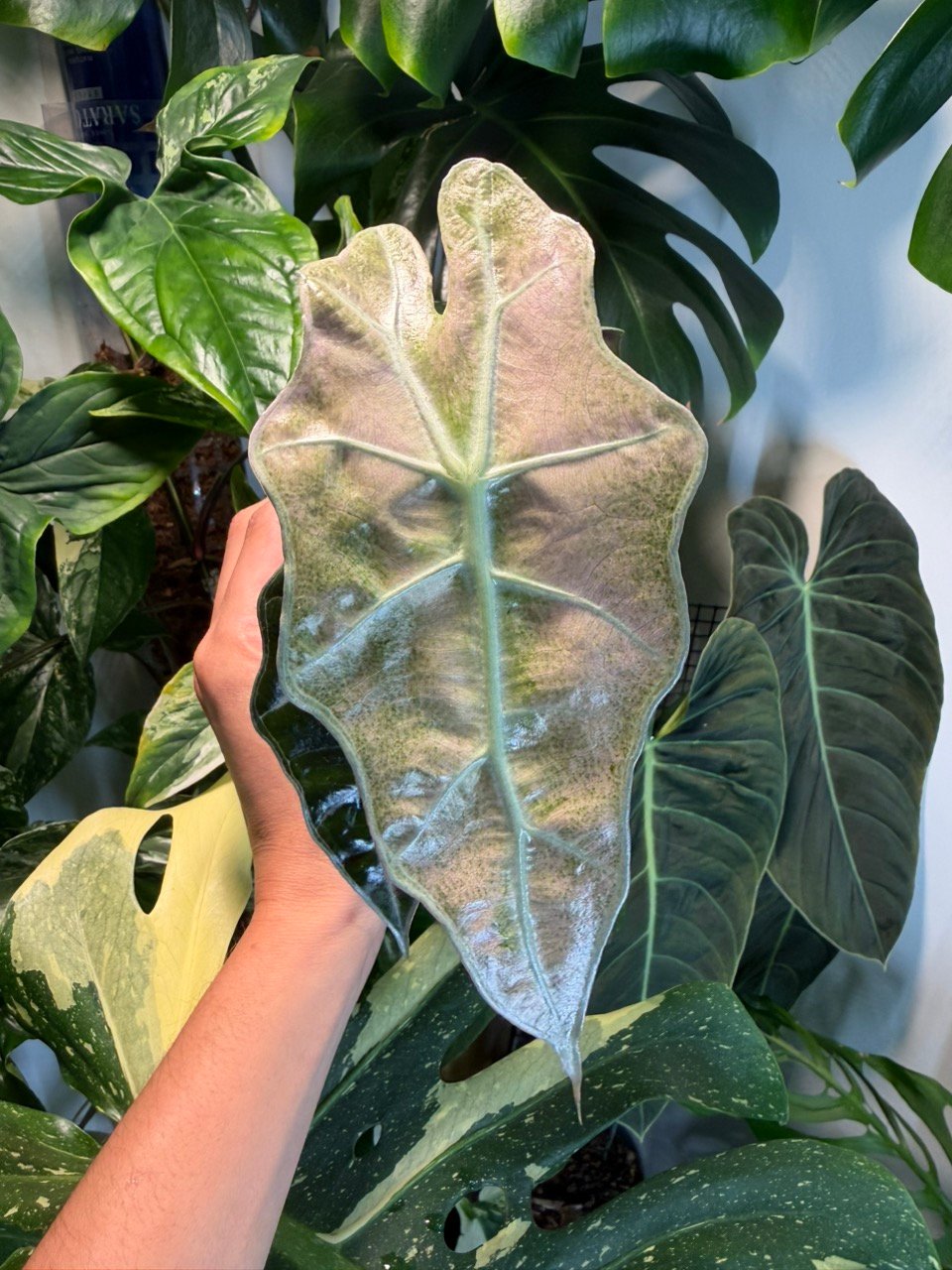
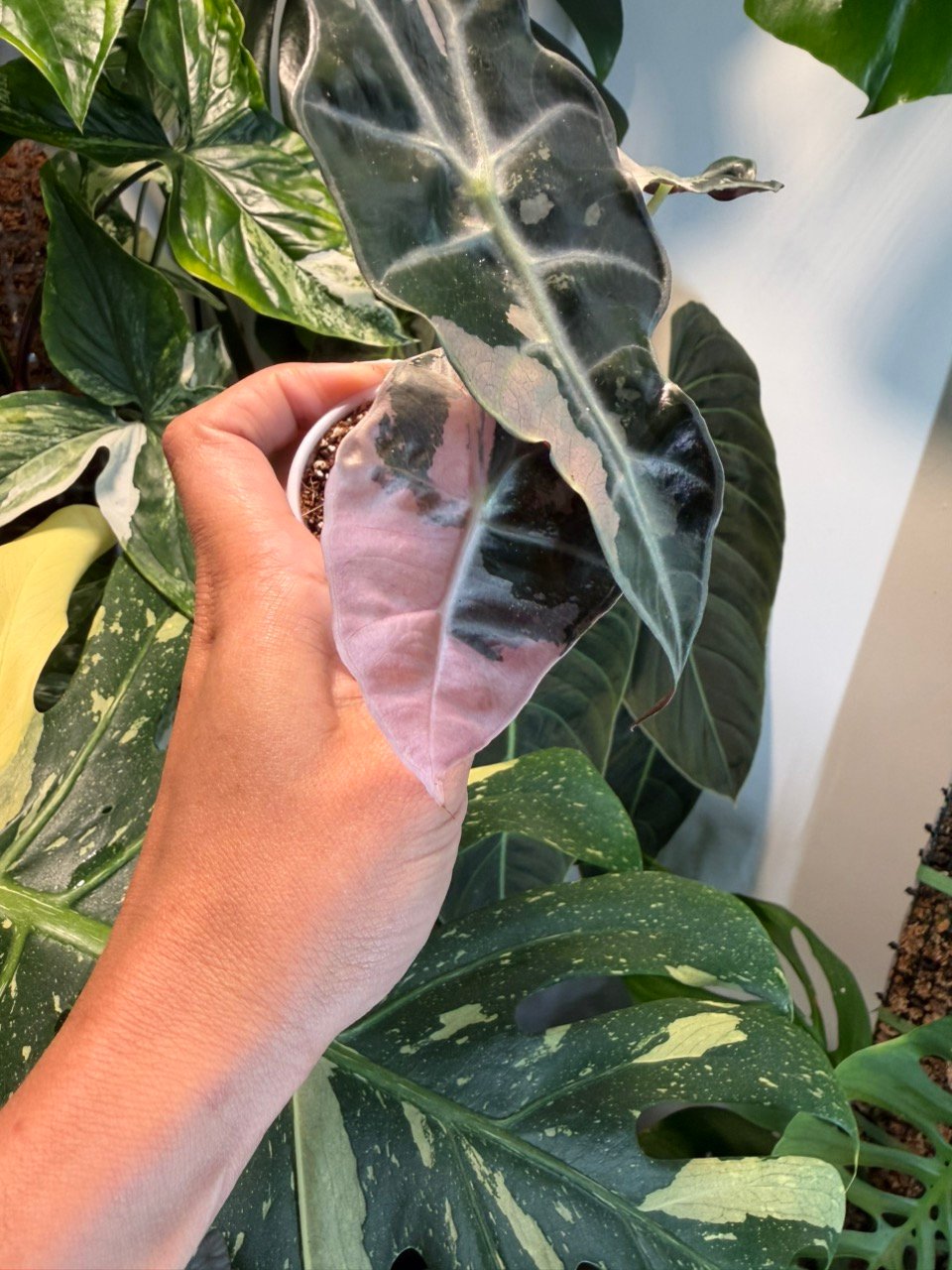
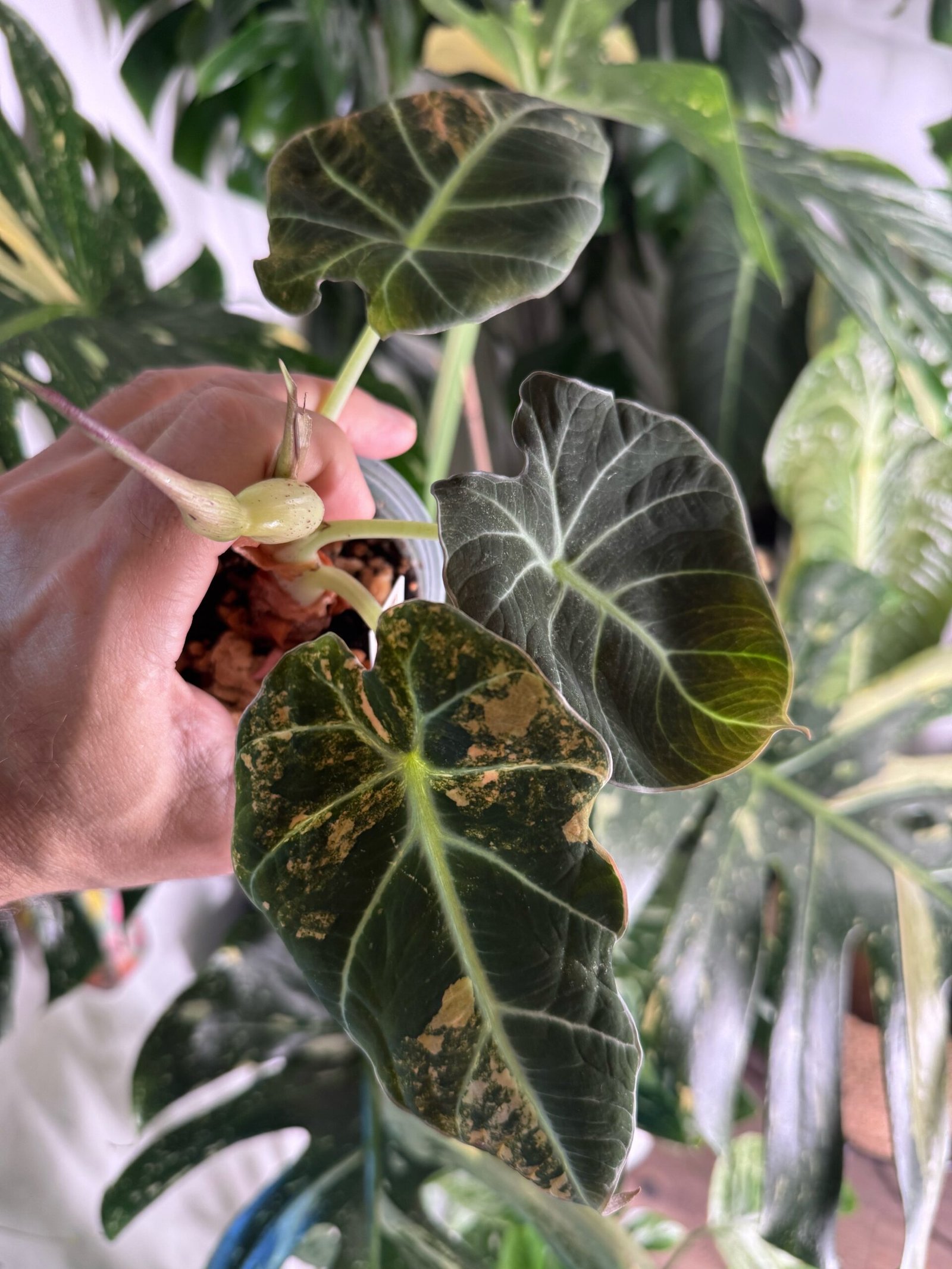
📦 Quick Start: Unboxing & Acclimation
Shipping is stressful for tropical plants. Your Alocasia has been in darkness and may have experienced movement, temperature changes, and humidity shifts. Use the timeline below to reduce stress and avoid transplant shock.
The First 48 Hours: Stabilize
- Do not repot right away: Wait at least 2 weeks before repotting so the plant can stabilize.
- Temperature check: Open the box and let the plant sit for 1–2 hours before fully removing it.
- Inspect the roots: Healthy roots should be white, tan, and firm. Trim mushy or foul-smelling roots with sterilized scissors.
Days 1–10: High-Humidity Transition
- Create a microclimate: Use a clear plastic bag or propagation box to keep humidity high, ideally around 80%+.
- Add airflow slowly: Every 2 days, open the bag slightly more, starting with about a 1-inch gap.
- Use bright indirect light: Avoid direct sun, especially through plastic, because it can scorch delicate Alocasia leaves.
🪴 Substrate Guide: Choosing the Right Setup
For rare Alocasia mother plants, we prefer inorganic media because it can reduce pests, improve airflow, and lower the risk of root rot when managed correctly.
| Substrate | Best For | Pros | Cons |
|---|---|---|---|
| Lechuza Pon | Mother Plants | Balanced wicking, lower pest risk, reusable indefinitely. | Higher upfront cost and should be rinsed before use. |
| LECA | Large Plants | Maximum aeration, easy to clean, lower rot risk. | Fine roots may have trouble grabbing and the top layer can dry faster. |
| Fluval Stratum | Corms / Rooting | Volcanic nutrients and fast root stimulation. | Can break down into sludge after several months. |
| Aroid Mix | Traditional Care | Familiar care style and organic nutrients. | Higher fungus gnat risk and easier to overwater. |
Our Go-To Setup: Semi-Hydro + Naked Root Pots
For rare and variegated mother plants, we use Lechuza Pon in Naked Root pots. The 360° aeration helps roots breathe, while the reservoir lets the plant wick water as needed.
✨ Rare & Variegated Alocasia Care
- Bright indirect light: Aim for strong indirect light. Low light can encourage weaker growth or reversion in variegated plants.
- Silica support: Silica may help strengthen delicate white or pink variegated tissue.
- Water quality matters: Distilled or RO water can help reduce crispy tips caused by mineral buildup.