
💚 Anthurium plants for sale • Rare variegated grails

Anthurium Plants for Sale (Rare Variegated Anthurium Included)

Loved for their lux, vibrant, heart-shaped leaves, Anthuriums are the ultimate interior statement. But for the true connoisseur, the ordinary simply won’t do.

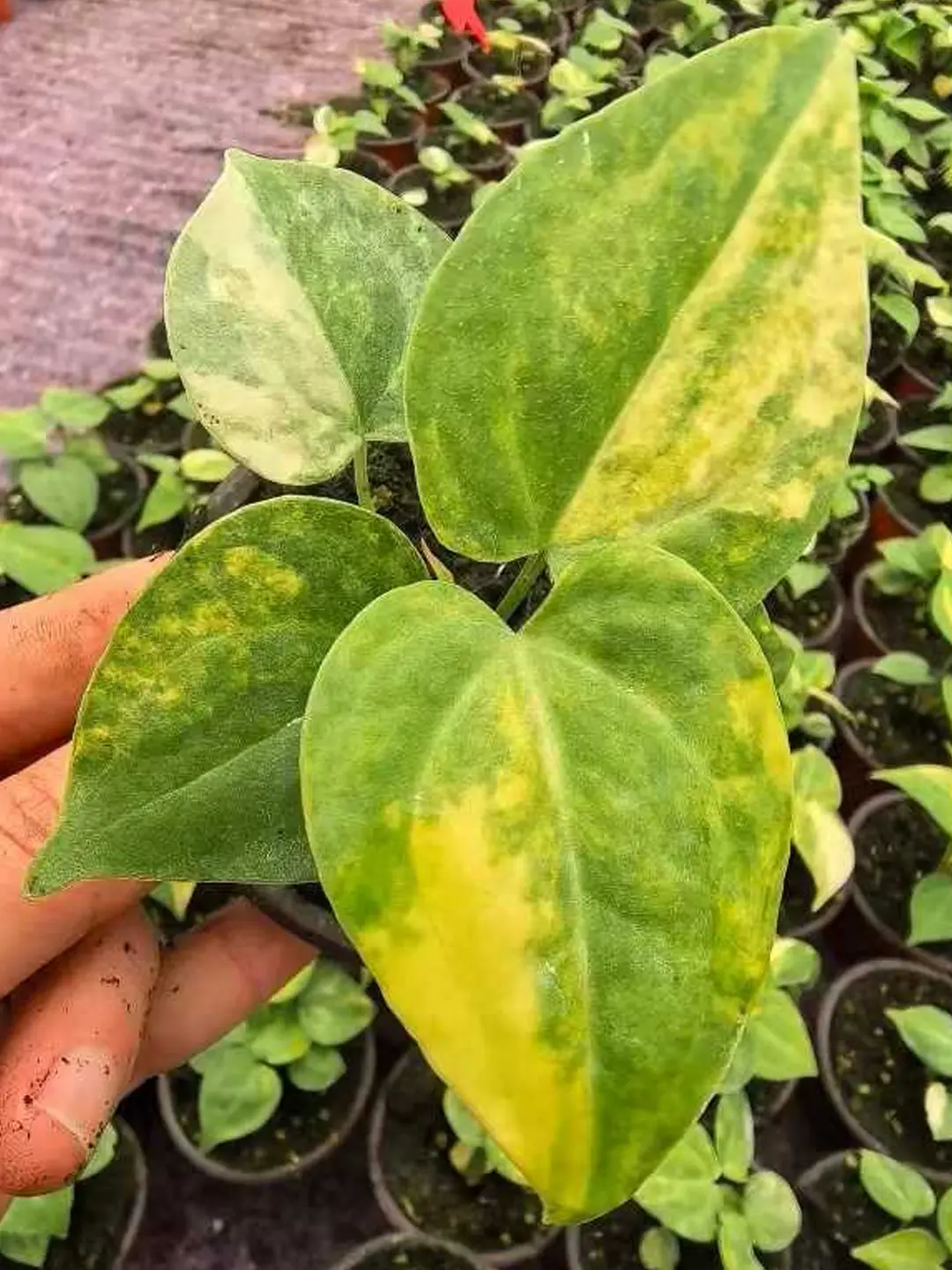
We specialize in the “grail” specimens that define a world-class collection— from the sharp, architectural lines of the Anthurium “Delta Force” to the shimmering, high-contrast patterns of a Variegated Clarinervium.

Own a piece of botanical history with a Variegated “Ace of Spades” or explore our ever-evolving gallery of rare hybrids. Don’t settle for the common when you can cultivate the extraordinary.
Don’t worry — we will not spam you.
✅ Collector-grade health 📦 Pro packaging ⚡ Limited drops
🌴 Opening Soon on Palmstreet

We’re Launching on Palmstreet — Don’t Miss It

Join our text list for exclusive updates on our official Palmstreet grand opening, surprise plant perks, early access, and rare drops you won’t see anywhere else.

Join Our Text List for Palmstreet Updates
Don’t worry — we will not spam you.
🌱 Early access 🎁 Free plant giveaways ⚡ Limited drops
🌿 Helpful Tips & FAQ • Anthurium Care

Welcome to The Plant Nook Family!

Anthuriums are the crown jewels of the tropical world—known for velvet textures and dramatic veining. Like our Alocasia, these plants are raised in our Easley, SC greenhouse under T5 LED lighting, with temperatures between 75–80°F and humidity at 70–90%. Because Anthuriums are often epiphytic (growing on trees in the wild), they have unique needs when transitioning from our greenhouse to your home.

📦 Unboxing & The “First Flight” Acclimation

Your Anthurium just traveled through a dark, high-stress environment. To reduce shipping shock and prevent leaf loss, follow these steps.

The First 48 Hours: Gentle Recovery

  • Unbox Immediately: Open the package as soon as it arrives for fresh airflow.
  • The “Fluffy” Inspection: Remove poly-fil/packing material. Check leaves and petioles for transit damage.
  • Hydration Boost: Moss should be damp, not dripping. If wilted, a small drink of distilled water can help.

Days 1–14: The Humidity Chamber

  • High Humidity is Medicine: Week 1: aim for 70–100% (clear bin with lid or large plastic bag).
  • Slow Transition: After week 1, open the chamber gradually over 7–10 days.
  • No Stress Zones: Don’t repot, fertilize, or move repeatedly during the first 3–4 weeks.

🪴 Substrate: The Epiphytic “Chunky” Mix

Avoid standard potting soils—they compact and suffocate thick, oxygen-hungry Anthurium roots. A chunky, well-draining epiphytic mix helps prevent rot while holding “safe” moisture.

Our Recommended DIY Recipe

Ratio-based mix for healthy roots and consistent gas exchange.

  • 40% Pine BarkStructure + mimics tree bark
  • 30% Peat or Coco CoirHolds safe moisture
  • 20% Perlite or Orchid BarkMaximum aeration
  • 10% Worm CastingsGentle organic nutrients

Why it works: Anthurium roots need constant gas exchange. This mix drains quickly while keeping a “Goldilocks” moisture zone.

✨ Advanced Anthurium Care Tips

Factor Requirement Expert Tip
Light Bright, indirect light Aim for 12–15 hours/day. Direct sun can scorch velvet leaves.
Water Consistently moist Water when top 1–2 inches feel dry. Don’t let the mix fully dry out.
Humidity 60%–80% Use a humidifier—low humidity causes brown, crispy edges.
Water Quality Distilled or RO Helps prevent mineral tip burn common with tap water.
❓ What are these sticky, clear drops on my stems and leaves?

These are often Extrafloral Nectaries (EFNs)—natural sugar-producing glands that can attract beneficial insects in the wild. They’re typically a sign of a healthy plant and are not pests.

❓ Why is my variegated Anthurium turning green (reverting)?

Reversion usually comes from low light. Variegated areas lack chlorophyll, so the plant produces more green to survive. Increase light intensity or move closer to a grow light to encourage variegation.

❓ My velvet leaves are coming out smaller than the old ones—why?

Smaller leaves often indicate insufficient light intensity or nutrition during the growth cycle. During the growing season, use a balanced liquid fertilizer at half strength about once a month (only after the plant is settled).

❓ How do I know the difference between nectar and pests?

EFN nectar appears as clear, defined droplets at leaf joints or nodes. Pest honeydew tends to be a widespread sticky film and may cause leaf curl/yellowing. If you notice black “sooty mold,” that’s a common pest clue.

❓ Can I grow Anthuriums from seeds?

Yes—with patience. Seeds lose viability quickly (often within 5–7 days). Clean seeds, place on damp sphagnum or vermiculite, and keep in a sealed high-humidity container until germination.

Tip: Velvet Anthuriums are especially sensitive to humidity swings—keep transitions slow and avoid “moving it around” early on.

Plants for every nook, grown with love in our South Carolina Greenhouse. Explore our hand-selected collections of Alocasias, Monsteras, Anthuriums, and other exceptional plants and Tissue Cultures.

Helpful Links

About Us

FAQ's

Acclimation Tips

Our Guarantee

Contact

All Plants are shipped out of Easley, SC

© 2026 The Plant Nook

Powered by smallbiz.reviews

Privacy Policy | Terms of Use