
🌿 Philodendron plants for sale • Rare variegated collectors

Philodendron Plants for Sale (Rare Variegated Philodendron Included)

Elevate your collection with Philodendrons, the versatile heart of any thriving indoor jungle. While loved for their air-purifying qualities and resilience, this genus holds some of the most breathtaking rarities in the world.

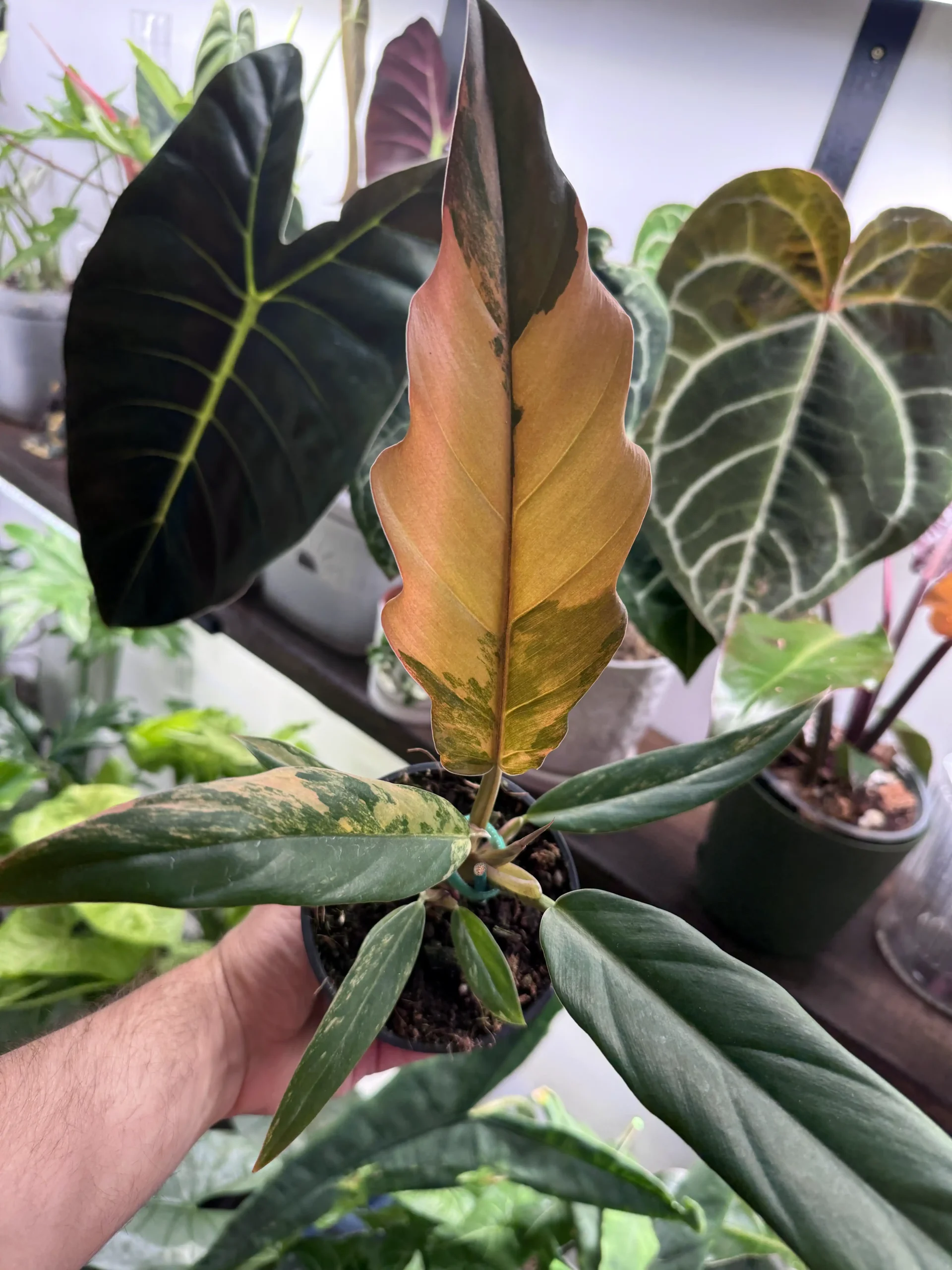
At The Plant Nook, we move beyond the basics to bring you true investment pieces like the legendary Philodendron Caramel Marble and the ultra-coveted Red Congo Variegated. Whether you’re hunting for the shimmering, silver-flecked Philodendron Brandtianum Var (Brandi) or the intricate, jagged silhouettes of the Florida Beauty × Tortum Var, our healthy, hand-selected specimens are the extraordinary foundation your space deserves.
Don’t worry — we will not spam you.
✅ Collector-grade health 📦 Pro packaging ⚡ Limited variegated drops
🌴 Opening Soon on Palmstreet

We’re Launching on Palmstreet — Don’t Miss It

Join our text list for exclusive updates on our official Palmstreet grand opening, surprise plant perks, early access, and rare drops you won’t see anywhere else.

Join Our Text List for Palmstreet Updates
Don’t worry — we will not spam you.
🌱 Early access 🎁 Free plant giveaways ⚡ Limited drops
🌿 Helpful Tips & FAQ • Rare Tropical Plant Care

Welcome to The Plant Nook Family!

All of our rare tropicals are grown in our greenhouse in Easley, SC, under high-output T5 LED lights. We maintain a steady temperature range of 75–80°F and humidity between 70–90%. Because your plant is coming from a highly optimized environment, the first two weeks in your home are the most important for long-term health.

🪴 Philodendron Care: Velvet & Variegated Excellence

Philodendrons are loved for diverse growth habits—from trailing ‘Micans’ to upright ‘Ring of Fire’. Many are epiphytic or hemi-epiphytic, so they need a precise balance of air + moisture to thrive indoors.

📦 Unboxing & Acclimation

  • Initial Inspection: Remove packing material. Small sticky clear-to-amber droplets on stems/leaf backs are often Extrafloral Nectaries (EFNs)—a sign of a healthy plant.
  • The 14-Day Bridge: Week 1: keep humidity 70%+. Week 2: open the enclosure a bit more each day to transition to ambient air.
  • Light: Bright, indirect light. Avoid direct sun for 10 days post-shipping.

🧪 The Plant Nook Philodendron Soil Recipe

A chunky, well-draining epiphytic mix prevents root rot and mimics natural habitat:

Component Ratio Why it helps
Pine Bark 40% Structure + big air pockets
Peat or Coco Coir 30% “Goldilocks” moisture retention
Perlite or Orchid Bark 20% Aeration + prevents compaction
Worm Castings 10% Gentle organic nutrients

🪴 Alocasia Care: The Semi-Hydro Method

For our Alocasia mother plants, we use a semi-hydroponic system to maximize growth and corm production.

  • Our “Go-To” Setup: Lechuza Pon + Naked Root Pots
  • Naked Root Pots: 360° aeration slits prevent root binding and help roots “breathe.”
  • Capillary Action: Pon wicks water from a reservoir to keep roots hydrated—never waterlogged.

🪴 Anthurium Care: Velvet Foliage

  • Substrate: Use the same chunky aroid mix as Philodendrons to keep thick white roots oxygenated.
  • Humidity: Aim for 60%–80% for velvet varieties to prevent crispy edges.
  • Water Quality: Distilled or RO water helps avoid mineral buildup on delicate leaves.

🪴 Monstera Care: Climbing Giants

  • Support: A moss pole encourages larger leaves and vertical climbing.
  • Variegation: Variegated Monsteras need more light than green forms to maintain white patterns and prevent reversion.
❓ What are these sticky spots on my Philodendron?

These are often Extrafloral Nectaries (EFNs)—natural nectar glands. They appear clear and localized to stems/leaf bases. Pest honeydew is usually a widespread sticky film and is often accompanied by visible insects like aphids.

❓ Why is my variegated plant losing its white/yellow patches?

This is reversion, usually from low light. The plant produces more chlorophyll (green) to compensate. Increase light (closer to T5 LEDs or a bright east-facing window).

❓ How do I treat Spider Mites?

Spider mites love thin-leaved Alocasia and Philodendrons. Wipe leaves with 70% isopropyl alcohol and castile soap. Avoid systemic granules—they’re often ineffective against mites.

❓ Why are the white parts of my leaves turning brown?

White sections lack chlorophyll and are first to show stress. Common causes: humidity below 50%, tap water mineral burn, or shipping shock. Use a humidifier and switch to distilled/RO water.

❓ How do I get more “splits” (fenestrations) in my Monstera?

Fenestrations respond to high light and maturity. If leaves stay solid, increase light and provide a pole to climb.

Tip: For any genus after shipping, stability beats perfection—keep conditions steady for the first two weeks.

Plants for every nook, grown with love in our South Carolina Greenhouse. Explore our hand-selected collections of Alocasias, Monsteras, Anthuriums, and other exceptional plants and Tissue Cultures.

Helpful Links

About Us

FAQ's

Acclimation Tips

Our Guarantee

Contact

All Plants are shipped out of Easley, SC

© 2026 The Plant Nook

Powered by smallbiz.reviews

Privacy Policy | Terms of Use