
This is called guttation. It happens when the plant has plenty of water and high humidity, so it releases excess moisture through its leaves. It’s generally harmless—but it can mean you can slightly reduce watering.
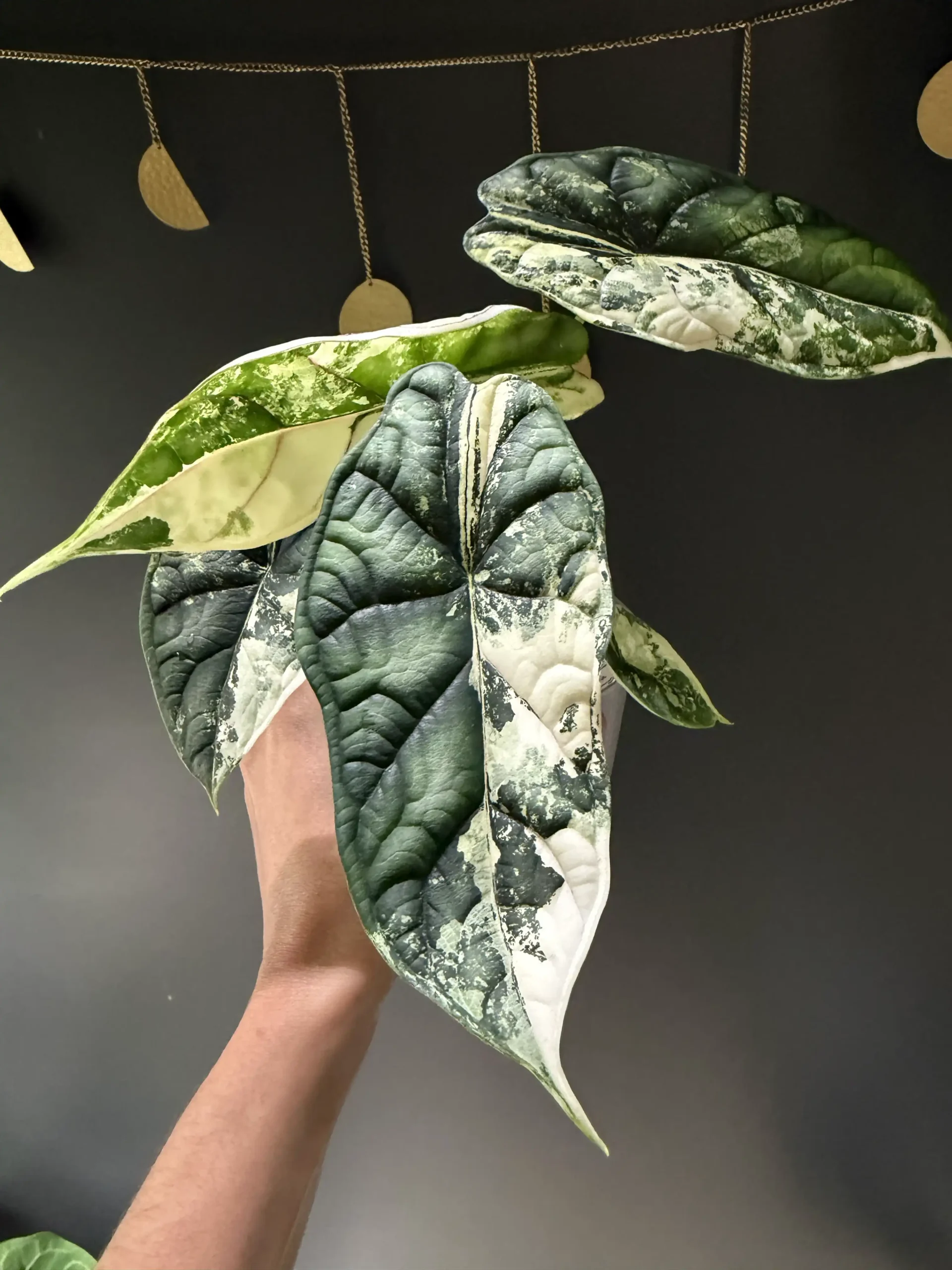
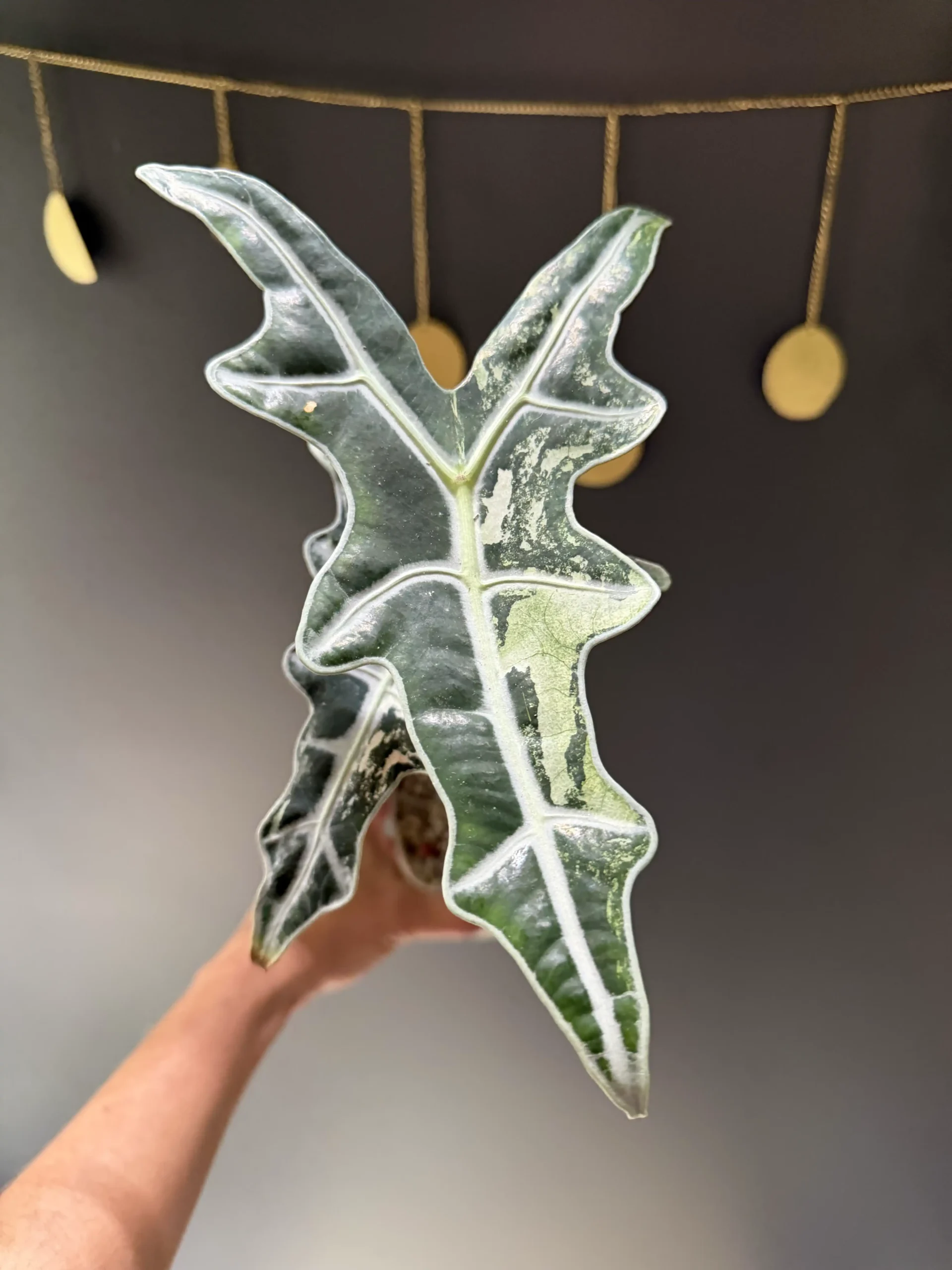
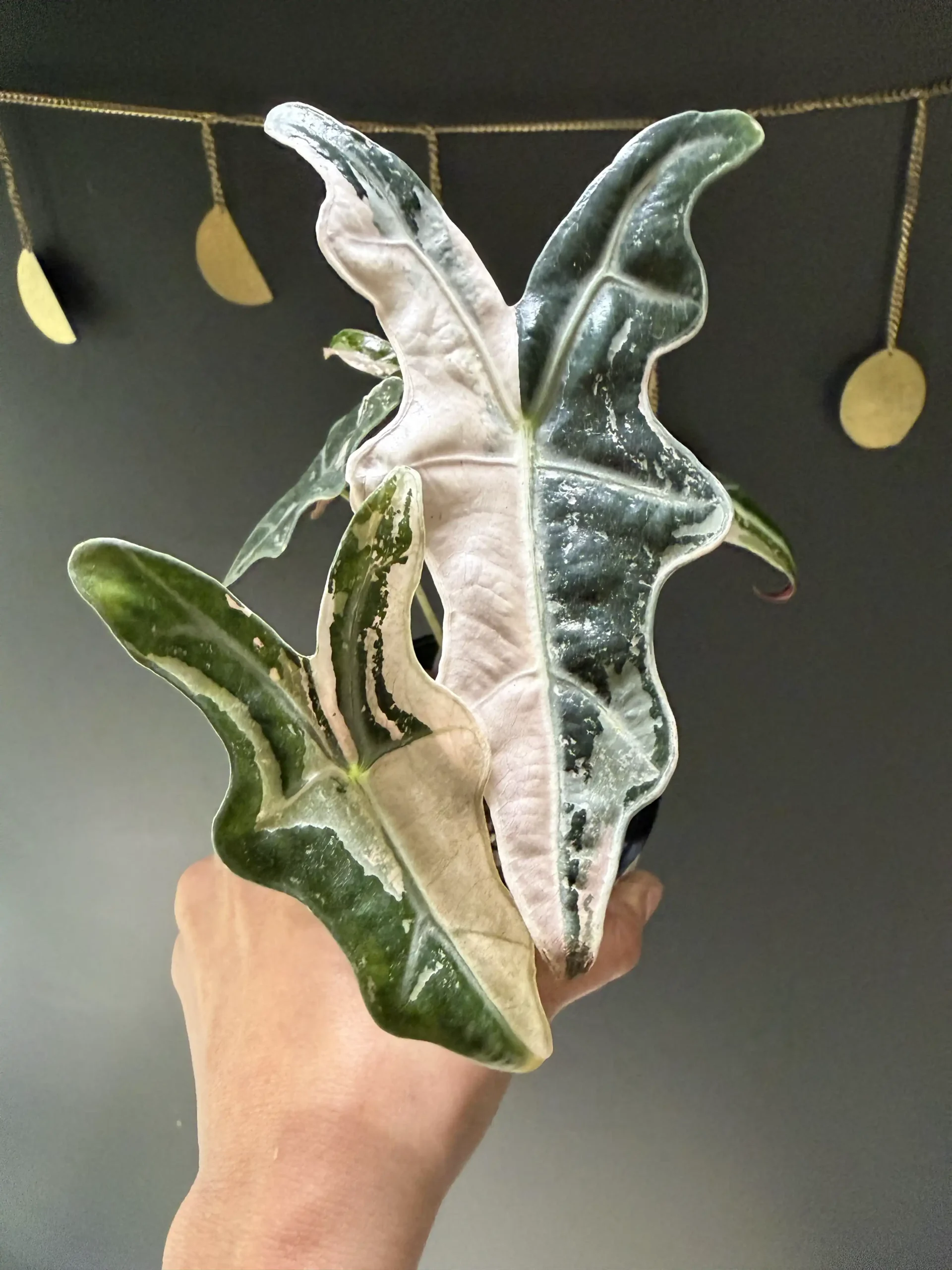
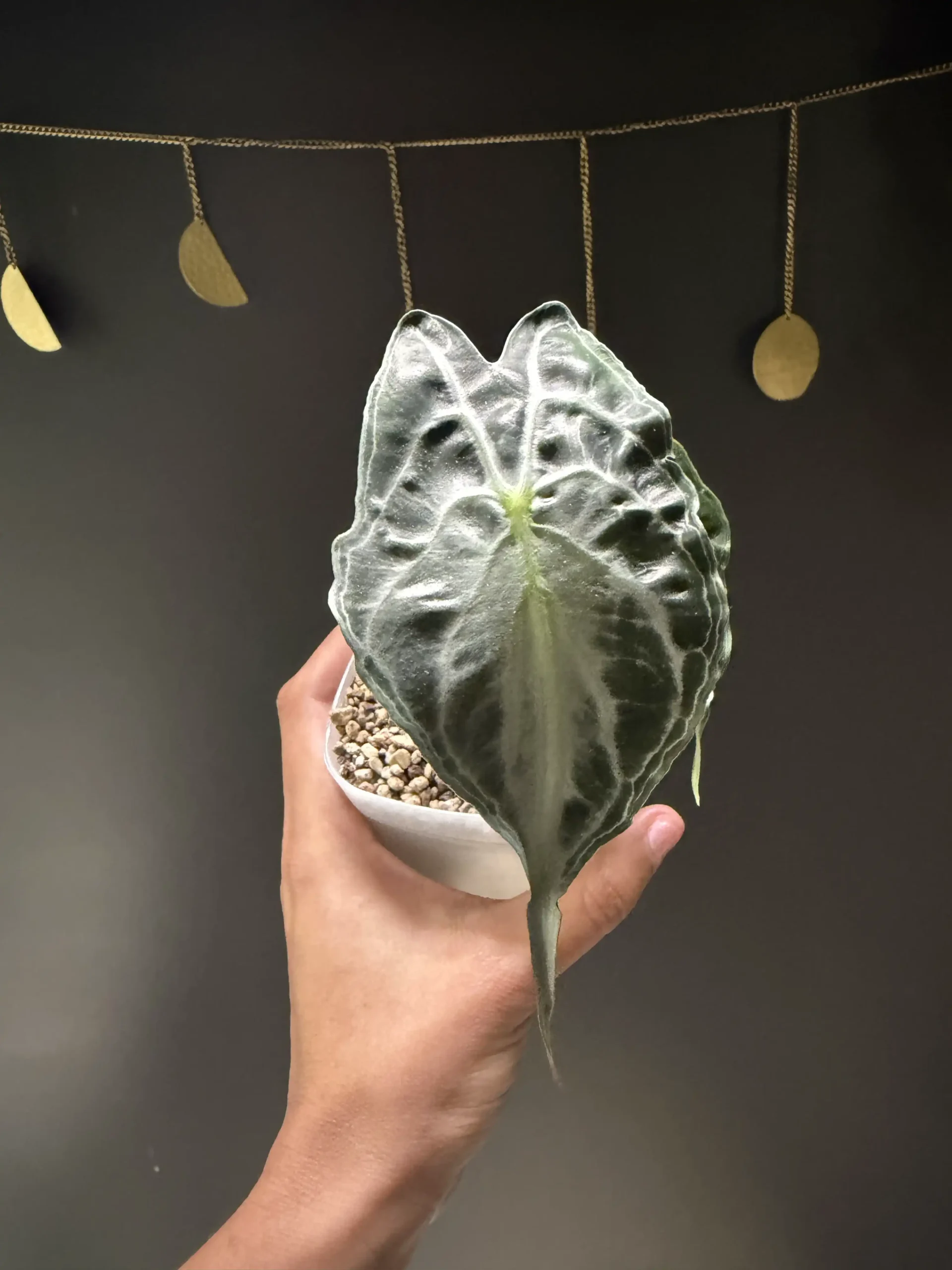
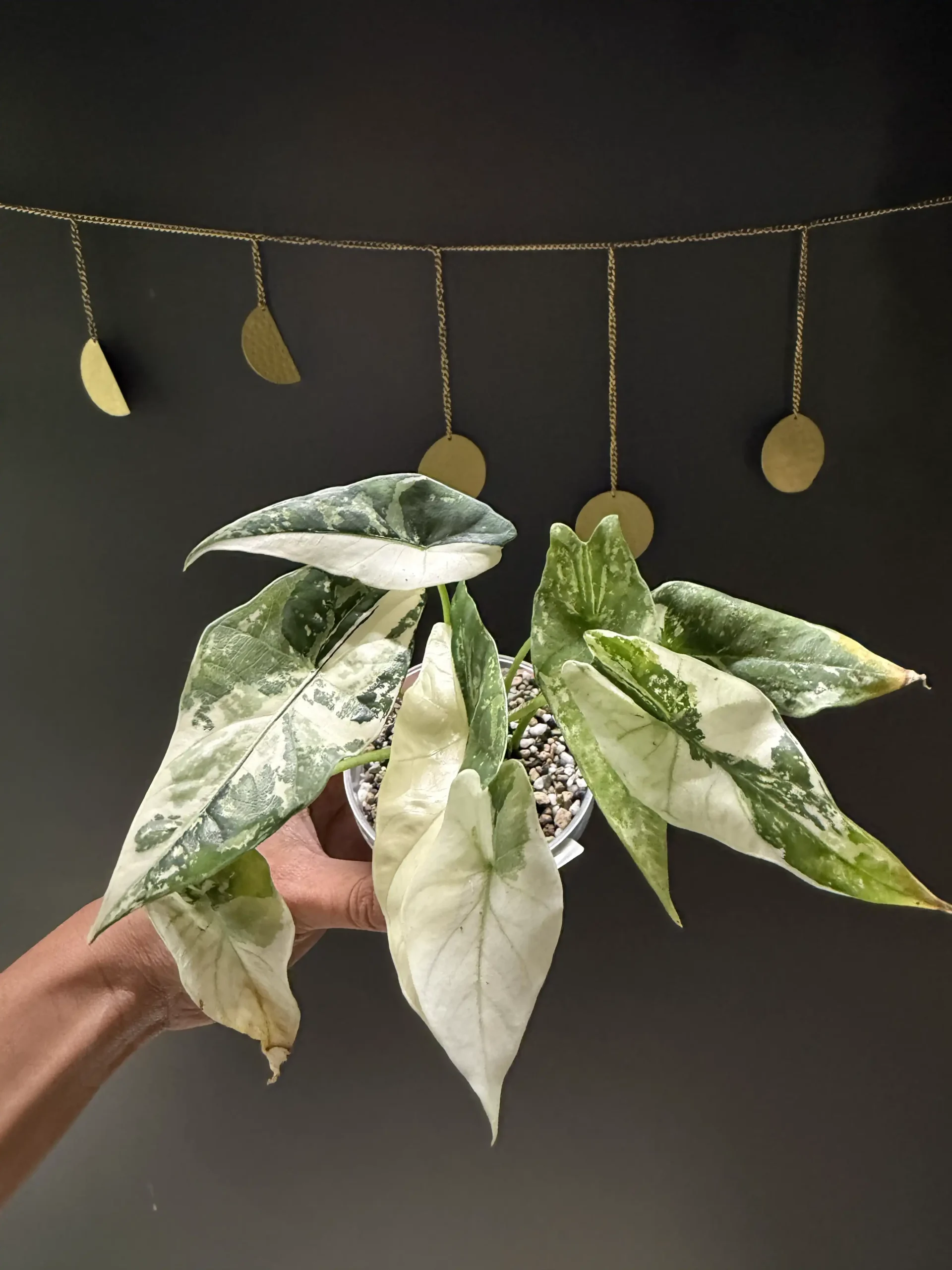
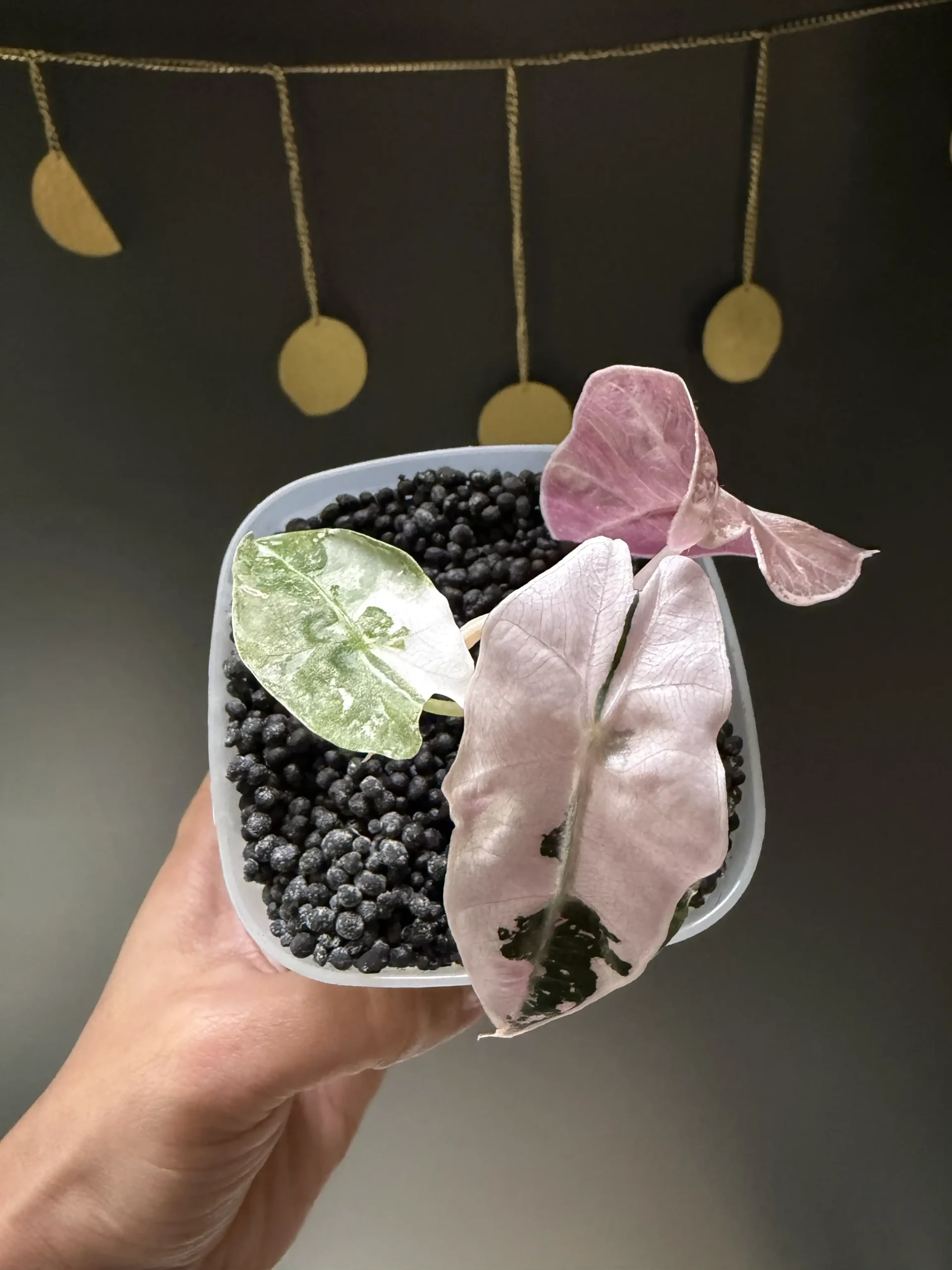
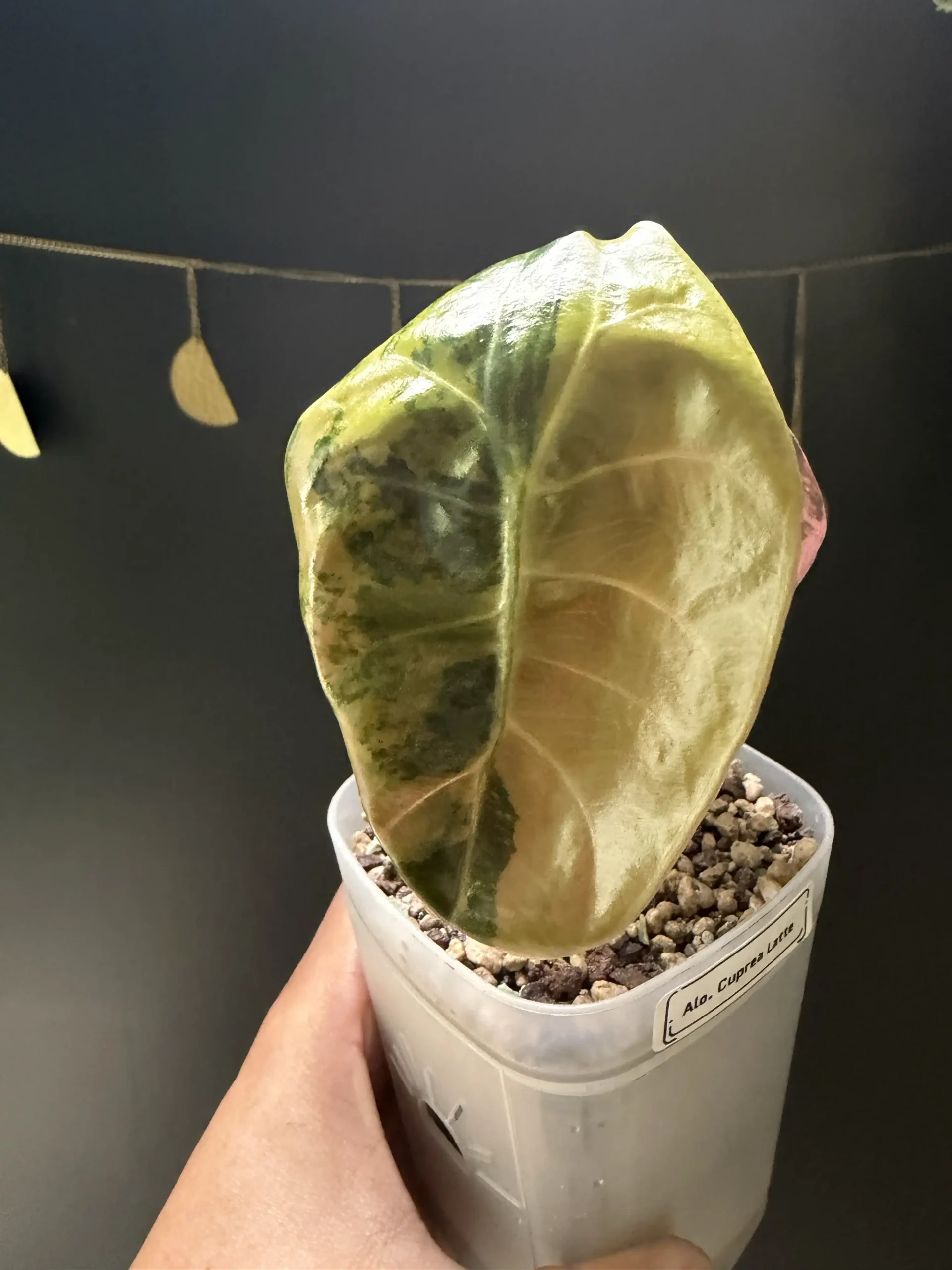
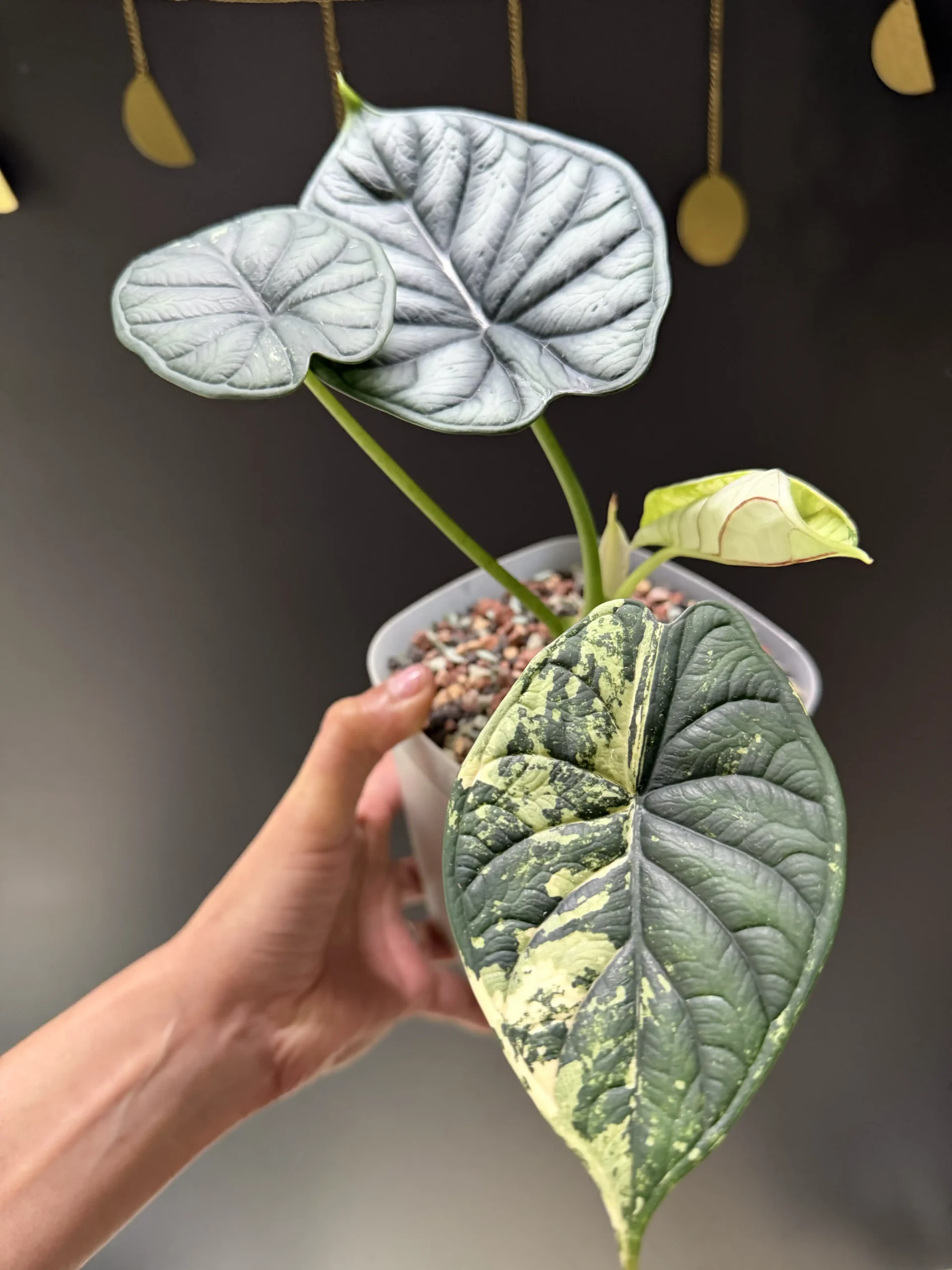
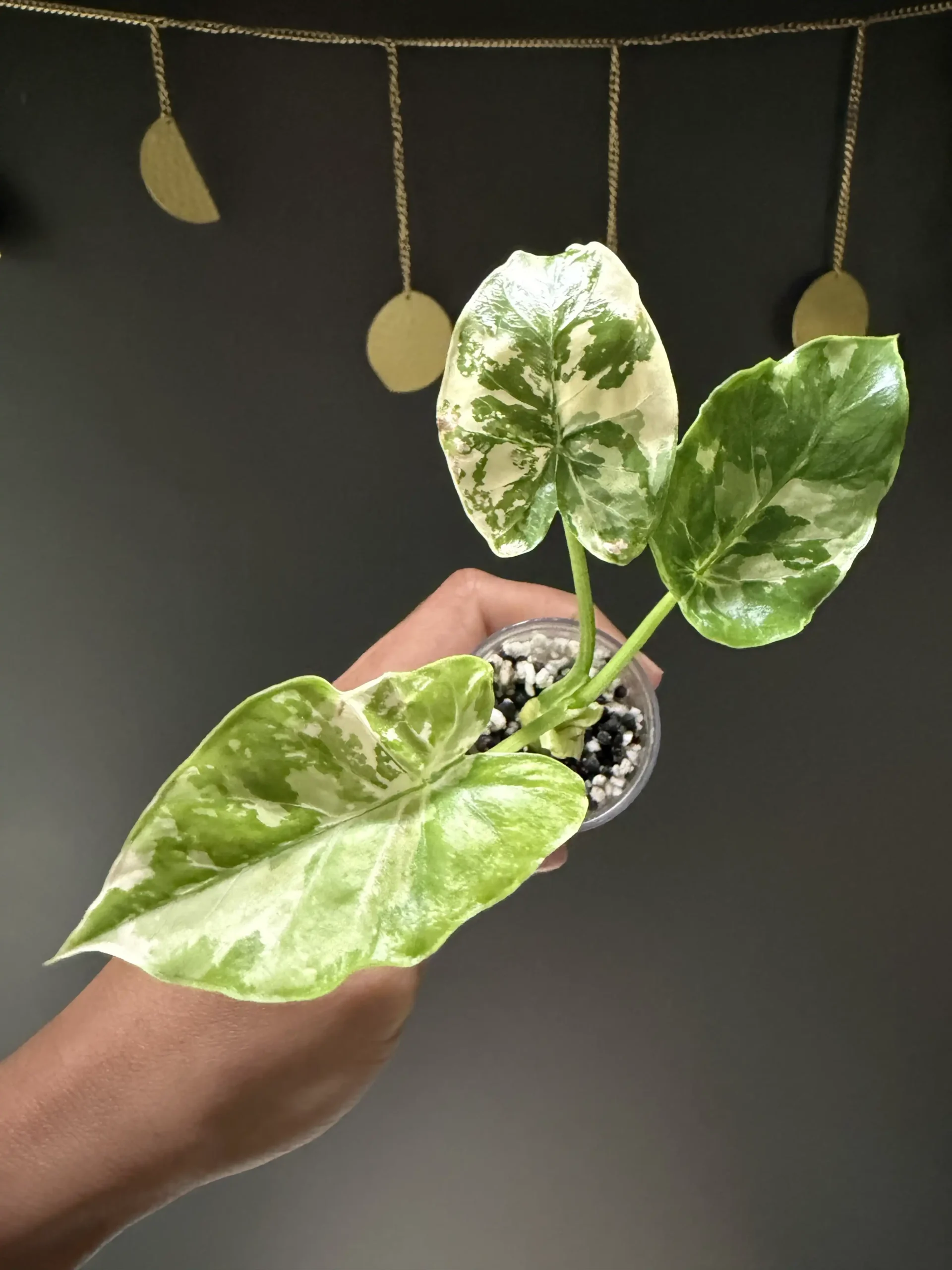
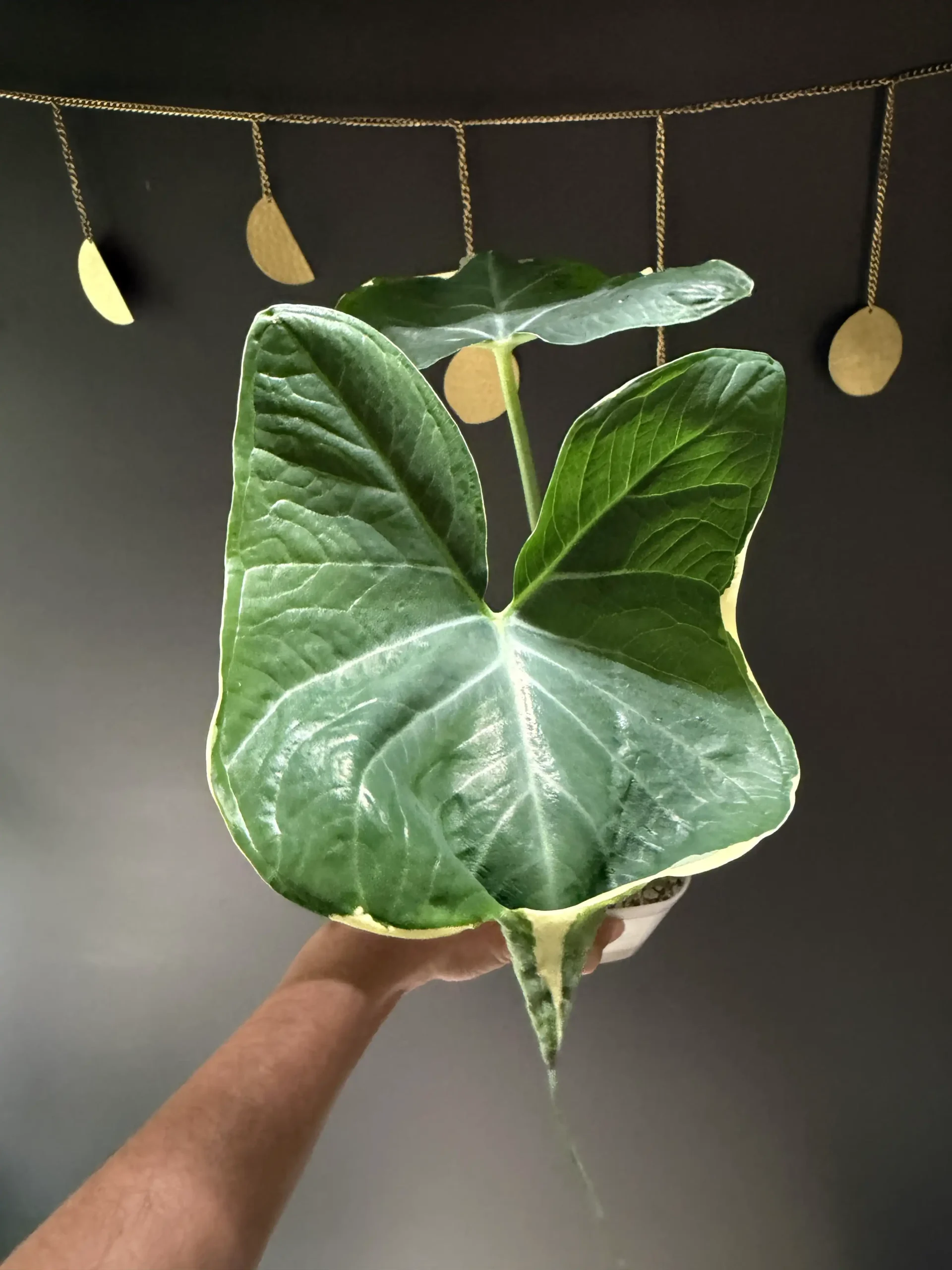
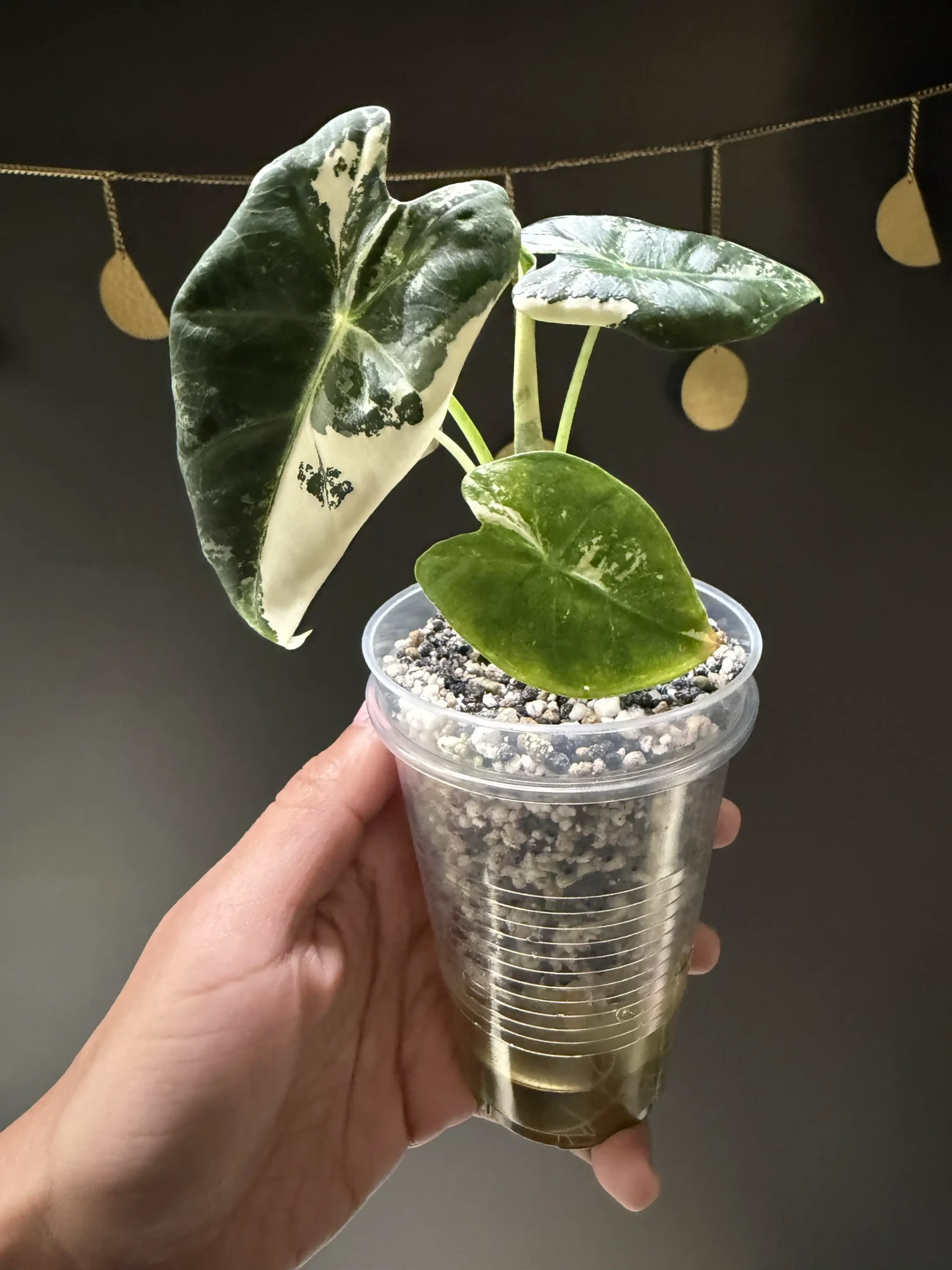
Explore our diverse range of Alocasia plants for sale, featuring fan-favorites like Alocasia Pink Pink Variegated K version and Pink Black Velvet, alongside rare gems like Loco and Venom. Shop high-quality Alocasia varieties at The Plant Nook today.
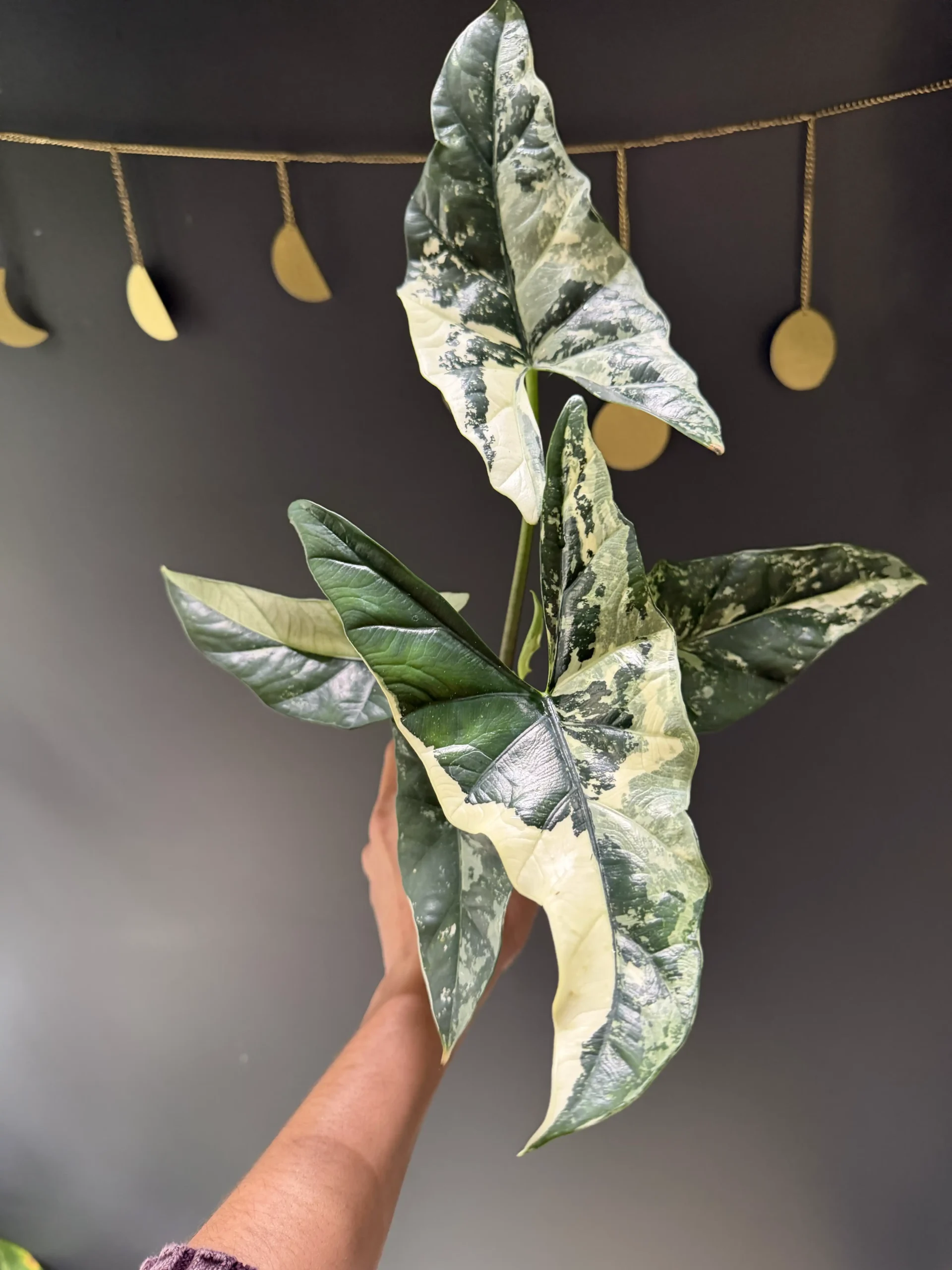
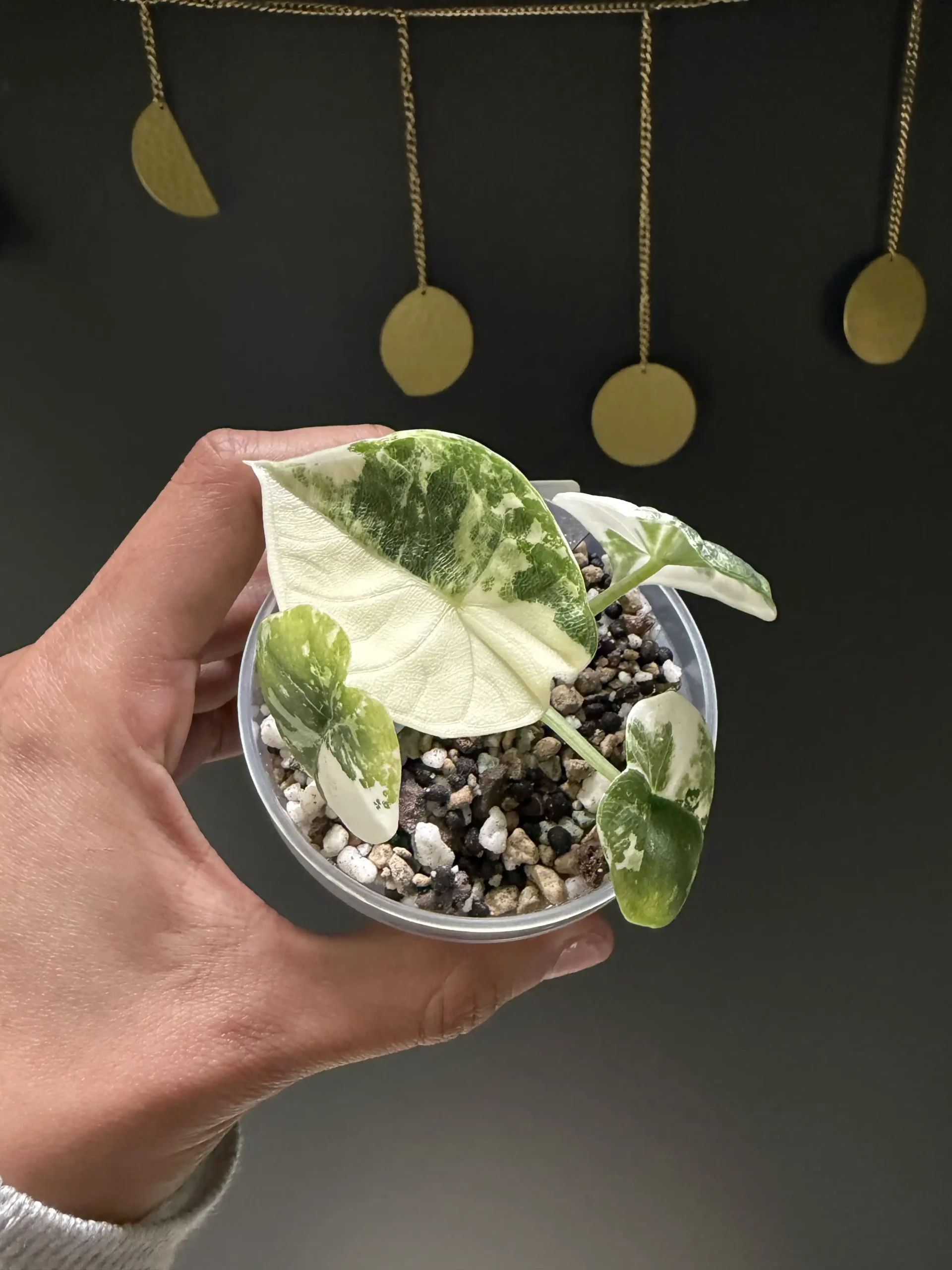
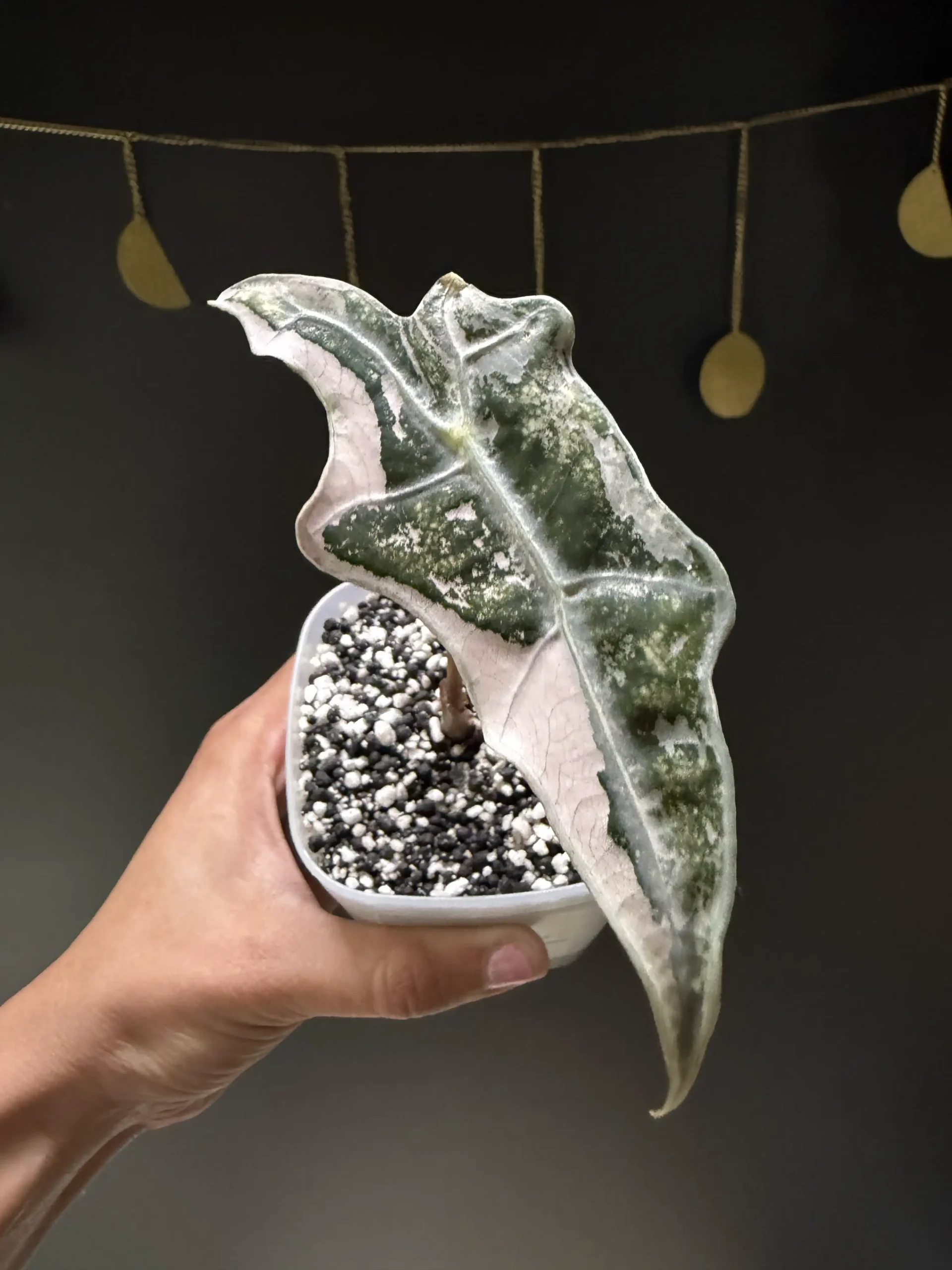
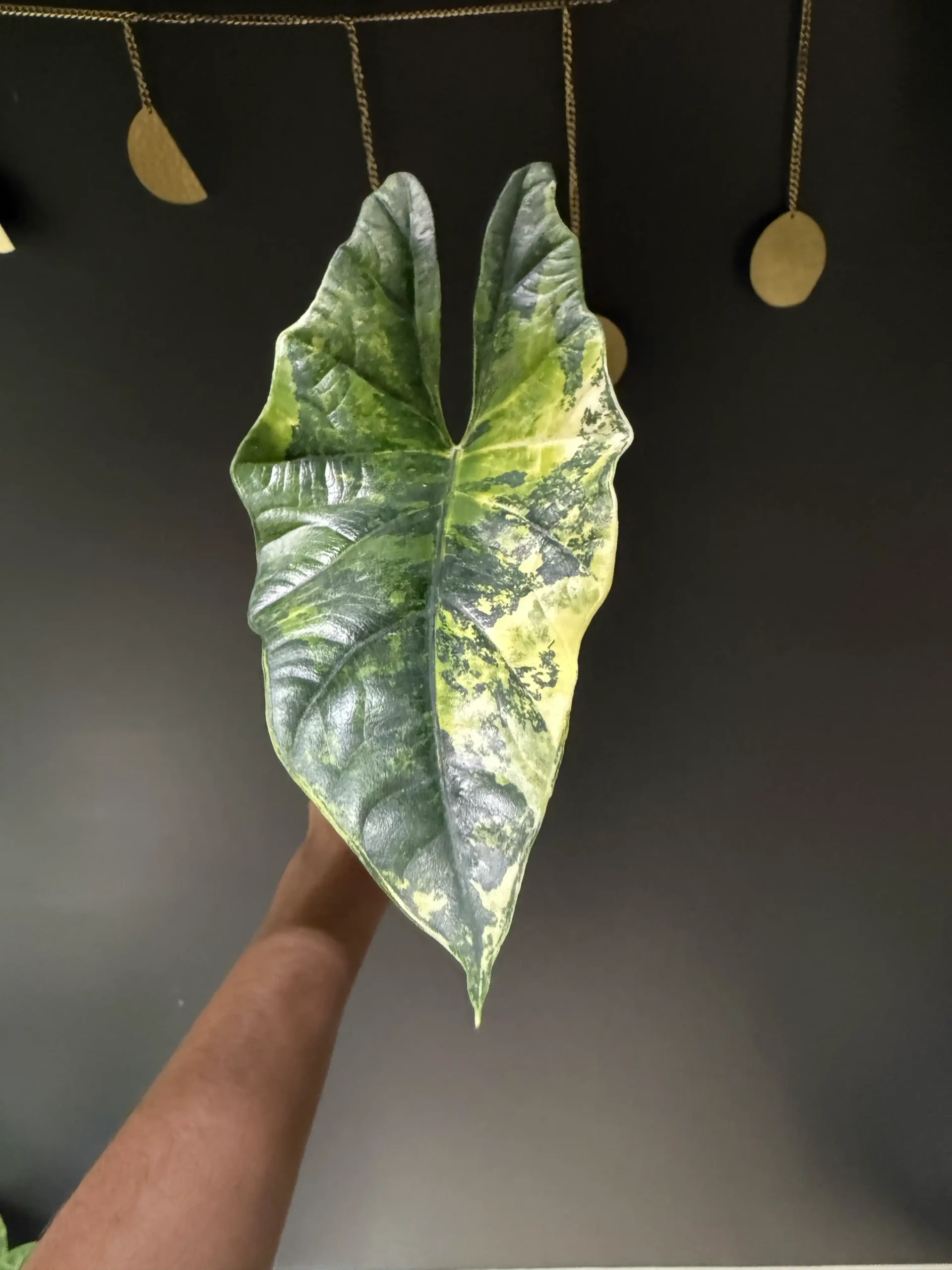


Join our text list for exclusive updates on our official Palmstreet grand opening, surprise plant perks, early access, and rare drops you won’t see anywhere else.
Our Alocasia are grown in our greenhouse in Easley, SC, under high-output T5 LED lights with temperatures between 75–80°F and humidity at 70–90%. Because your plant is coming from a highly optimized environment, the first two weeks in your home are the most important for long-term health.
Shipping is stressful. Your plant has been in total darkness and subject to vibrations and temperature shifts. Follow this timeline to help it thrive.
For mother plants, we prefer inorganic media to reduce pests and rot. Here’s a quick comparison:
| Substrate | Best For | Pros | Cons |
|---|---|---|---|
| Lechuza Pon | Mother Plants | Balanced wicking; low pest risk; reusable indefinitely | Higher upfront cost; must be rinsed initially |
| LECA | Large Plants | Maximum aeration; easy to clean; lower rot risk | Harder for fine roots to “grab”; can dry faster at the top |
| Fluval Stratum | Corms / Rooting | Volcanic nutrients; stimulates rapid root growth | Breaks down into “sludge” after 6–12 months |
| Aroid Mix | Traditional Care | Familiar; provides organic nutrients | Higher fungus gnat risk; easier to overwater |
For rare and variegated mother plants, we use Lechuza Pon in Naked Root pots.
This is called guttation. It happens when the plant has plenty of water and high humidity, so it releases excess moisture through its leaves. It’s generally harmless—but it can mean you can slightly reduce watering.
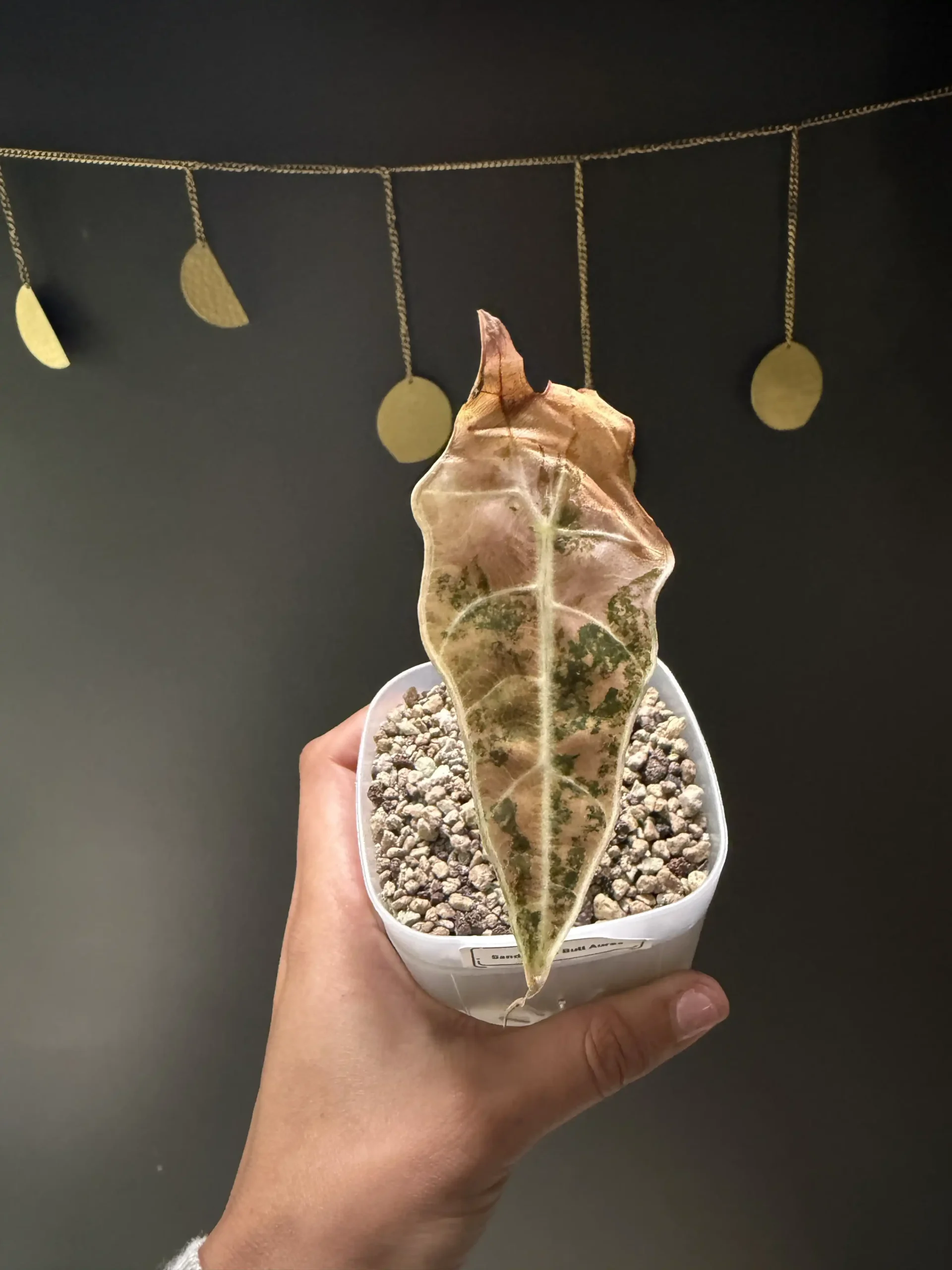
If it drops all leaves in winter, don’t toss it. Check the rhizome (the “bulb”). If it’s firm and not mushy, it’s likely dormant. Keep it warm (above 65°F) and reduce watering until new growth returns.
Spider mites are the #1 Alocasia pest. Treat by wiping leaves with a mix of 70% isopropyl alcohol and castile soap. Avoid systemic granules—they’re often ineffective for mites.
Those are baby plants. The best method is the Puddle Method: place the corm in a small container of Fluval Stratum with water filled halfway up the layer. Cover to trap near 100% humidity until the first leaf unfurls.
Yellowing is usually a sign of overwatering or low oxygen at the roots. In soil, wait until the top 2 inches are dry. In semi-hydro, ensure the reservoir isn’t too high.
Tip: If you’re acclimating in a bag/box, keep light bright-but-indirect and increase airflow gradually every 2 days.
Plants for every nook, grown with love in our South Carolina Greenhouse. Explore our hand-selected collections of Alocasias, Monsteras, Anthuriums, and other exceptional plants and Tissue Cultures.
Helpful Links
About Us
FAQ's
Acclimation Tips
Our Guarantee